Nikko Stirling MountMaster 4-12×50 Rifle Scope – Precision Optics, Clear Vision & Reliable Performance

The Nikko Stirling MountMaster 4-12×50 Rifle Scope has been designed to deliver dependable optical performance, comfortable target viewing, and convenient adjustment for recreational shooting enthusiasts. With its versatile magnification range, generous objective lens, and durable construction, this riflescope offers a practical solution for shooters seeking reliable equipment without unnecessary complexity.
Furthermore, the MountMaster series has been developed with affordability, usability, and consistent performance in mind. Whether you are developing your target-shooting skills, upgrading an existing air rifle, or choosing a versatile optic for range practice, a balanced combination of optical quality and functional design is provided.
Additionally, the adjustable objective configuration helps users achieve clearer target focus at different distances. As a result, the optic is particularly well suited to airgun shooting, where comparatively short target distances are frequently encountered.
Key Features of the Nikko Stirling MountMaster 4-12×50 Rifle Scope
The following features are offered by the MountMaster 4-12×50 AO model:
- 4-12x Variable Magnification: Flexible image enlargement is provided for different target distances and shooting activities.
- 50mm Objective Lens: A generous objective diameter is incorporated for effective light collection.
- Adjustable Objective (AO): Parallax correction is supported from approximately 10 yards to infinity.
- Multicoated Optical Lenses: Image clarity, contrast, and light transmission are enhanced through optical coatings.
- Half Mil Dot Reticle: Useful reference markings are provided for precision-oriented target observation.
- 1-Inch Main Tube: A practical tube diameter is supplied for compatibility with suitable mounting systems.
- 1/4 MOA Adjustment Clicks: Incremental windage and elevation adjustments are available.
- Waterproof Construction: Protection against wet environmental conditions is incorporated.
- Fogproof Design: Internal fogging resistance is enhanced through nitrogen filling.
- Shockproof Housing: The optic has been engineered to withstand normal shooting-related vibration and recoil within its intended applications.
- Fast-Focus Eyepiece: Convenient reticle focusing is supported.
- Matte Black Finish: A discreet, professional appearance is achieved.
Advanced Optical Performance for Clear Target Viewing
Versatile 4-12x Magnification
A practical magnification range is provided by the Nikko Stirling MountMaster 4-12×50 Rifle Scope, making it suitable for a variety of recreational shooting environments.
At 4x magnification, a wider field of view is available for locating and observing targets. Consequently, comfortable target acquisition can be maintained when a lower magnification setting is preferred.
Meanwhile, at 12x magnification, smaller target details can be viewed with greater apparent enlargement. This feature is particularly useful when paper targets and other designated range targets are being observed from a stationary shooting position.
Moreover, the variable magnification system allows users to select a viewing level that matches their preferences and environmental conditions.
50mm Objective Lens for Improved Visibility
Clear target observation is supported by the generous 50mm objective lens.
Through this optical design, a useful balance between light collection and magnification versatility is achieved. Additionally, multicoated lenses are incorporated to help reduce unwanted reflections and preserve image contrast.
Although actual brightness depends on magnification, ambient light, and optical performance, the large objective diameter provides a practical foundation for comfortable viewing.
Therefore, the scope can be considered by recreational shooters who value image visibility and straightforward optical operation.
Adjustable Objective and Parallax Management
Convenient Adjustable Objective System
Parallax adjustment is an important consideration when an optic is used at different target distances.
For this reason, an adjustable objective system has been incorporated into the MountMaster AO configuration.
With this feature, parallax correction can be adjusted from approximately 10 yards to infinity. As a result, the optic offers flexibility for airgun shooting sessions where close-range targets are frequently used.
Furthermore, the objective adjustment provides a convenient way to manage the relationship between the target image and reticle.
In practical shooting environments, improved viewing consistency can be achieved when the adjustment is correctly matched to the observation distance.
Half Mil Dot Reticle for Practical Target Reference
A Half Mil Dot reticle is included in the manufacturer’s current non-illuminated AO specification.
Through this design, reference markings are provided along the reticle for users who appreciate structured visual reference points.
Moreover, the reticle can support organized target observation and consistent practice during supervised range activities.
Because the reticle is positioned within a variable-magnification optical system, its subtension characteristics should be checked against the manufacturer’s instructions before precise measurements are attempted.
Durable Construction for Dependable Performance
Strong 1-Inch Alloy Tube
A durable 1-inch alloy tube is incorporated into the Nikko Stirling MountMaster 4-12×50 Rifle Scope.
By combining a conventional tube diameter with a matte black exterior, a practical and visually understated design is achieved.
Additionally, the body construction helps protect the internal optical components during ordinary handling and intended recreational use.
Compatibility with suitable mounting rings can also be achieved through the standardized tube diameter.
However, correct mount selection should be based on the particular rifle’s mounting rail, required clearance, and manufacturer recommendations.
Waterproof, Fogproof, and Shockproof Protection
Environmental resistance has been prioritized throughout the MountMaster range.
The scope has been nitrogen filled to help prevent internal fog formation. Likewise, waterproof construction is provided for use in wet outdoor environments.
Furthermore, shock testing is performed during manufacture to help establish durability under intended operating conditions.
Consequently, the optic offers useful protection against the environmental changes commonly experienced during outdoor recreation and range activities.
Nevertheless, routine care and compliance with the manufacturer’s recoil compatibility guidance remain important for long-term reliability.
User-Friendly Adjustment and Comfortable Viewing
Precise Windage and Elevation Controls
Fine adjustment capability is provided through 1/4 MOA windage and elevation controls.
These adjustment increments allow users to make measured corrections while following the manufacturer’s setup and sighting instructions.
Furthermore, the controls have been designed with straightforward operation in mind, so complicated adjustment systems are not required for ordinary recreational use.
Fast-Focus Eyepiece and Comfortable Eye Relief
A fast-focus eyepiece is included to support clear reticle visibility.
Meanwhile, approximately 85mm of eye relief is specified for the current 4-12×50 AO model.
This distance allows a suitable viewing position to be established while respecting recommended safety practices.
Additionally, the scope’s traditional configuration provides a familiar viewing experience for users transitioning from basic optics to variable-magnification models.
Technical Specifications
| Specification |
Details |
| Brand |
Nikko Stirling |
| Series |
MountMaster |
| Model |
4-12×50 AO |
| Model Code |
NMM41250AON |
| Magnification |
4-12x |
| Objective Diameter |
50mm |
| Main Tube Diameter |
1 inch (25.4mm) |
| Reticle |
Half Mil Dot |
| Parallax Adjustment |
Approximately 10 yards to infinity |
| Adjustment Value |
1/4 MOA per click |
| Eye Relief |
85mm |
| Length |
333mm |
| Weight |
Approximately 403g |
| Lens Coating |
Multicoated |
| Waterproof |
Yes |
| Fogproof |
Yes |
| Shockproof |
Yes |
| Finish |
Matte Black |
| Reticle Illumination |
No, standard AO version |
Specifications refer to the current non-illuminated MountMaster 4-12×50 AO model. Illuminated AO IR versions are also available, and product specifications may differ.
Why Choose the Nikko Stirling MountMaster 4-12×50 Rifle Scope?
Several practical advantages are offered to recreational shooting enthusiasts.
Firstly, versatile magnification is provided without requiring a complicated optical system. Secondly, target visibility is supported by the combination of a 50mm objective lens and multicoated glass.
Additionally, close-distance viewing flexibility is enhanced through adjustable objective functionality.
Equally important, weather-resistant construction is incorporated for dependable operation under ordinary outdoor conditions.
Furthermore, the traditional 1-inch design allows the optic to be considered for a broad selection of compatible air rifle mounting arrangements.
Overall, a useful balance of affordability, optical performance, and everyday practicality is achieved.
Suitable Applications
The Nikko Stirling MountMaster 4-12×50 Rifle Scope is suited to several lawful recreational applications.
Recreational Air Rifle Target Shooting
For airgun enthusiasts, an accessible combination of magnification and parallax adjustment is provided.
Whether paper targets are being observed at a local range or accuracy practice is being conducted in a designated shooting environment, the optic offers clear viewing and convenient adjustment.
Outdoor Range Practice
Outdoor shooting sessions often involve changing light conditions and viewing distances.
Therefore, the multicoated lens system, adjustable magnification, and weather-resistant construction provide useful functionality.
Optical Skills Development
For beginners and experienced users alike, the scope offers an opportunity to become familiar with variable magnification, reticle focusing, and routine optic maintenance.
As experience develops, these features can be appreciated without requiring premium-priced equipment.
Care and Maintenance Recommendations
Long-term optical performance can be supported through appropriate maintenance.
- Lens surfaces should be cleaned with suitable optics-safe products.
- Protective lens covers should be used during storage whenever available.
- The scope should be kept in a dry, secure location when not in use.
- Mounting components should be inspected according to manufacturer guidance.
- Harsh chemicals and abrasive cleaning materials should be avoided.
- Any unusual adjustment resistance or visible damage should be evaluated before further use.
By following these recommendations, the condition of the optic can be preserved.
Shop Nikko Stirling MountMaster 4-12×50 Rifle Scope at Top Airs Gun
A dependable optical upgrade can make recreational target observation more comfortable and enjoyable.
With its variable 4-12x magnification, 50mm objective lens, adjustable parallax, multicoated optics, and durable construction, the Nikko Stirling MountMaster 4-12×50 Rifle Scope offers an appealing combination of functionality and value.
Explore this model at Top Airs Gun – topairsgun.com and discover a practical riflescope designed around clarity, versatility, and dependable everyday performance.
Choose Nikko Stirling MountMaster optics for a balanced combination of optical quality, straightforward operation, and recreational shooting convenience.
Calibres, FAC Power Compatibility, and Recommended Accessories for the Nikko Stirling MountMaster 4-12×50 Rifle Scope
The Nikko Stirling MountMaster 4-12×50 Rifle Scope offers a versatile optical solution for air rifle enthusiasts seeking reliable target visibility, practical magnification, and dependable adjustment features. Although this product is a riflescope rather than a rifle, it can be paired with various compatible airguns across different calibres and power classifications.
Furthermore, compatibility is determined by several important factors, including recoil characteristics, mounting arrangements, intended shooting distances, and the manufacturer’s specifications. Therefore, the calibre and power output of an air rifle should always be considered alongside the scope’s mechanical durability and mounting requirements.
Compatible Air Rifle Calibres
.177 Calibre (4.5mm) Air Rifles
The .177 calibre is widely recognized for its popularity in recreational target shooting and organized airgun competitions.
When the MountMaster 4-12×50 is paired with a compatible .177 air rifle, its variable magnification and adjustable objective can support comfortable observation of paper targets at different distances.
Additionally, fine target details can be viewed through the scope’s 12x magnification setting.
For shooters using lower-powered target airguns, the adjustable objective offers particular value because close-distance parallax correction is supported.
.22 Calibre (5.5mm) Air Rifles
Another popular configuration involves .22 calibre air rifles, which are commonly selected for recreational shooting and sporting applications where permitted.
With a suitable mounting arrangement, the Nikko Stirling MountMaster 4-12×50 Rifle Scope can be considered for compatible .22 calibre PCP, CO2, and spring-powered platforms.
However, spring-piston airguns should be assessed carefully because their distinctive recoil characteristics can place considerable mechanical stress on optics.
Moreover, compatibility should be confirmed for the specific rifle model rather than assumed from calibre alone.
.20, .25, and Larger Calibre Air Rifles
Certain air rifles are also manufactured in .20 (5.0mm), .25 (6.35mm), .30 (7.62mm), and larger calibres.
Although the optical magnification system is not inherently limited to any particular projectile diameter, mechanical compatibility remains essential.
For example, a compatible .25 calibre PCP air rifle may accommodate a conventional riflescope, provided appropriate mounting equipment and manufacturer-approved recoil conditions are observed.
Likewise, larger-calibre PCP platforms should be evaluated individually because power levels, action designs, and recommended accessories can differ substantially.
Consequently, selection should always be based on verified specifications rather than calibre alone.
FAC and Non-FAC Air Rifle Compatibility
Understanding Non-FAC Air Rifle Power
In the United Kingdom, non-FAC air rifles in England and Wales are generally associated with a maximum muzzle energy of 12 ft-lb, approximately 16.3 joules. Scotland operates a separate air weapon licensing system, and other jurisdictions impose different requirements.
For lower-powered recreational air rifles, the MountMaster’s variable magnification offers a useful combination of wide viewing capability and detailed target observation.
Additionally, the adjustable objective helps manage parallax at shorter distances, making the scope relevant to indoor and outdoor target-shooting environments.
However, local licensing rules and individual rifle compatibility should always be checked before equipment is purchased or used.
FAC-Rated Air Rifles and Higher Power Levels
FAC refers to a Firearm Certificate in the relevant UK licensing context. The term is often used commercially to identify air rifles exceeding the ordinary 12 ft-lb threshold in England and Wales.
Importantly, FAC is a legal classification, not a riflescope power rating.
Higher-powered PCP air rifles may have muzzle energies of 20, 30, 40, 60 joules, or considerably more, depending on their design and configuration.
Nevertheless, a riflescope should not automatically be considered compatible simply because it is suitable for a particular calibre or advertised for airgun use.
Recoil resistance, mounting stability, and the manufacturer’s approved applications remain the deciding factors.
For this reason, suitability for a specific FAC-rated rifle should be confirmed directly with the rifle and optic manufacturers.
Power Compatibility and Optical Performance
Does Rifle Power Affect Scope Performance?
Muzzle energy is measured in joules or foot-pounds and describes the kinetic energy of a projectile as it leaves the barrel.
Unlike a rifle, the Nikko Stirling MountMaster 4-12×50 Rifle Scope does not generate muzzle energy and therefore has no independent FAC rating or power output.
Instead, its performance is associated with optical properties, adjustment reliability, mechanical durability, and compatibility with the host platform.
Furthermore, magnification does not increase a rifle’s muzzle energy. It simply changes the apparent size of the viewed target.
As a result, a compatible low-powered airgun and a compatible higher-powered PCP rifle may both benefit from the scope’s optical features, although their operating characteristics differ.
Spring-Piston, Gas-Ram, PCP, and CO2 Platforms
Different propulsion systems introduce different operating conditions.
PCP air rifles are frequently associated with relatively mild recoil, while some spring-piston and gas-ram designs generate substantial bidirectional recoil.
Consequently, a scope suitable for one platform may not necessarily be approved for another.
CO2 air rifles and lower-powered pneumatic models may also be compatible when the appropriate mounting system is available.
Before installation, users should verify the scope’s approved recoil tolerances and the rifle manufacturer’s requirements.
Recommended Accessories for the Nikko Stirling MountMaster 4-12×50 Rifle Scope
Essential Mounting and Protection Accessories
The following accessories are recommended for maintaining optical performance, protecting the equipment, and supporting safe recreational use.
- 1-Inch Scope Rings: Compatible rings are required for securing the optic to an appropriate mounting interface.
- High-Mount Scope Rings: Additional objective-bell clearance may be provided where the rifle’s dimensions require it.
- 3/8-Inch Dovetail Mount: This mounting arrangement is supported by the manufacturer’s listed configuration.
- Protective Lens Covers: Dust, fingerprints, and accidental surface contact can be minimized during storage.
- Microfiber Lens Cloth: Optical surfaces can be cleaned without abrasive materials.
- Optics Cleaning Kit: Suitable cleaning solutions and soft brushes help preserve lens coatings.
- Padded Rifle Case: Additional protection can be provided during lawful transportation.
- Secure Equipment Storage: The riflescope and associated equipment can be protected against unauthorized access and accidental damage.
Accessories for Comfortable Target Practice
A stable shooting environment can also be supported by suitable recreational accessories.
For instance, a padded shooting mat provides additional comfort during outdoor range sessions. Likewise, a properly designed shooting bench offers a convenient working surface for equipment organization.
Furthermore, suitable eye and hearing protection should always be selected according to the shooting environment.
For ongoing care, a dry storage location and moisture-control products can help preserve the condition of optical equipment.
Final Recommendation
The Nikko Stirling MountMaster 4-12×50 Rifle Scope offers practical versatility for compatible air rifles in .177, .20, .22, .25, and other calibres.
Nevertheless, no universal muzzle-energy limit or FAC compatibility rating has been specified for this optic. Compatibility with high-powered or spring-piston rifles should therefore be verified for the exact model.
With its adjustable objective, multicoated lenses, 1-inch tube, and variable magnification, the scope presents a useful option for recreational target observation.
Explore Nikko Stirling riflescopes and compatible optical accessories at Top Airs Gun — topairsgun.com.
<text color=”secondary” size=”xs”>Manufacturer reference: <Link url=”https://nikkostirling.com/products/rifle-scopes/mount-master/nmm41250aon” title=”MountMaster 4-12×50 AO technical specifications”/>. <Cite refs={[“turn995535search0″,”turn995535search2”]}/></text>
Frequently Asked Questions (FAQs)
1. What makes this riflescope suitable for recreational shooting?
A practical combination of optical clarity, variable magnification, and straightforward adjustment features is provided. Consequently, recreational shooters can benefit from comfortable target observation across different shooting distances.
Furthermore, the multicoated lens system helps maintain image contrast and minimize unwanted reflections. A durable exterior also contributes to everyday reliability.
Additionally, the conventional design makes the optic approachable for beginners while offering useful features for more experienced users.
2. Is this optic suitable for beginners?
Yes. A beginner-friendly viewing experience is provided through the simple magnification adjustment, familiar reticle design, and convenient focusing system.
Moreover, complicated electronic functions are not required for basic operation. As a result, users can concentrate on learning fundamental optical principles and developing safe recreational shooting habits.
Nevertheless, the manufacturer’s instructions should be reviewed before installation or use.
3. What does 4-12x magnification mean?
The numbers describe the available range of optical magnification.
At the lowest setting, an object appears approximately four times larger in angular size than when viewed without magnification. Meanwhile, at the highest setting, approximately twelve times the apparent enlargement is provided.
Consequently, users can select a viewing level according to their target distance and observation preferences.
However, higher magnification generally produces a narrower field of view and may make natural hand movement more noticeable.
4. What are the advantages of a 50mm objective lens?
A 50mm objective lens provides a relatively generous light-collecting aperture.
Therefore, useful image brightness can be supported under various lighting conditions. Additionally, the larger objective diameter can contribute to comfortable observation when appropriate magnification settings are selected.
Nevertheless, the actual image brightness also depends on lens quality, optical coatings, environmental conditions, and the selected magnification.
A larger objective lens should not automatically be interpreted as a guarantee of superior performance in every situation.
5. Does this scope provide clear images in low-light conditions?
The combination of multicoated lenses and a large objective diameter can support useful visibility when ambient lighting is reduced.
Furthermore, optical coatings are intended to limit unwanted reflections and improve light transmission.
However, this is a conventional optical sight rather than a dedicated night-vision or thermal-imaging device.
Consequently, sufficient external illumination remains necessary for normal viewing. Performance will also depend on environmental conditions and the magnification setting.
6. What is an adjustable objective?
An adjustable objective is an optical feature designed to manage parallax at different viewing distances.
Parallax occurs when the apparent position of the reticle changes relative to the target image as the observer’s eye position changes.
Through the objective adjustment system, this effect can be reduced at the selected distance.
Additionally, the feature is particularly relevant to recreational airgun shooting because target distances can be shorter than those commonly encountered with some other shooting disciplines.
7. Can the optic be used for short-distance target shooting?
Yes, the adjustable objective configuration is intended to support relatively close target distances.
For the specified AO version, parallax adjustment begins at approximately 10 yards.
As a result, the optic can be considered for designated indoor and outdoor shooting ranges where close-distance paper targets are used.
However, compatibility with the host air rifle should be confirmed independently of the optical focusing range.
8. Is this product compatible with .177 calibre air rifles?
Compatibility with .177 calibre air rifles is possible when the rifle’s mounting arrangement and recoil characteristics meet the scope manufacturer’s requirements.
Moreover, the variable magnification provides flexibility for target observation, while the objective adjustment can be useful at typical recreational airgun distances.
Nevertheless, compatibility cannot be guaranteed solely from calibre.
The exact rifle model, propulsion system, and appropriate mounting hardware should be considered before purchase.
9. Can it be installed on a .22 calibre air rifle?
Many .22 calibre air rifles can accommodate conventional riflescopes through suitable mounting systems.
However, the scope must be compatible with the particular rifle’s recoil characteristics and mounting interface.
Furthermore, spring-piston, gas-ram, PCP, and CO2 air rifles may impose different mechanical requirements.
Therefore, a manufacturer’s compatibility recommendation should always take priority over general assumptions based on calibre alone.
10. Is it suitable for .25 calibre PCP air rifles?
Potentially, yes. The optical system itself is not restricted to a single projectile calibre.
Nevertheless, larger-calibre air rifles can vary considerably in muzzle energy and mechanical operation.
For this reason, recoil compatibility and mounting requirements should be verified for the specific rifle.
Additionally, the optic’s adjustment range, eye relief, and physical dimensions should be considered when evaluating the suitability of a particular combination.
11. What does FAC mean in relation to air rifles?
FAC stands for Firearm Certificate in the relevant United Kingdom licensing context.
In England and Wales, air rifles exceeding the ordinary 12 ft-lb muzzle-energy threshold generally require the appropriate firearm authority.
However, different legislation applies in Scotland and Northern Ireland, while other countries operate their own legal classifications.
Importantly, FAC describes a firearm licensing requirement rather than an optical specification.
Consequently, a riflescope should not be described as FAC-rated merely because it can be mounted on a higher-powered air rifle.
12. Can this optic withstand high-powered air rifles?
Suitability depends primarily on the recoil characteristics of the host rifle and the manufacturer’s approved applications.
Although durable construction and shock resistance are incorporated into the design, no universal muzzle-energy compatibility limit should be assumed.
Furthermore, spring-piston air rifles can produce distinctive recoil forces that differ from those of PCP models.
Therefore, users should confirm compatibility with the exact rifle before installation.
13. Does the riflescope increase the power of an air rifle?
No. Optical equipment does not increase projectile velocity, muzzle energy, or the mechanical power of an air rifle.
Instead, the scope changes how the target is viewed.
Greater apparent target enlargement can make details easier to observe, while suitable optical adjustments can support consistent viewing.
However, the rifle’s power remains determined by its propulsion mechanism, configuration, ammunition, and operating condition.
14. What type of reticle is included?
The standard non-illuminated AO configuration is specified with a Half Mil Dot reticle.
This design incorporates reference markings that can support structured target observation.
Furthermore, the markings provide an organized visual reference within the optical field.
Because reticle specifications may differ between product versions, the exact model code should be checked before purchase.
Additionally, any measurement-related use should follow the manufacturer’s published reticle documentation.
15. Does the reticle illuminate in the dark?
The standard non-illuminated AO version does not provide electronic reticle illumination.
However, illuminated variants are available within the wider product family.
Therefore, buyers should distinguish between the conventional AO configuration and versions specifically identified as illuminated.
Before ordering, the exact manufacturer model code and listed features should be reviewed to avoid selecting the wrong configuration.
16. What is the main tube diameter?
A 1-inch main tube diameter, equivalent to approximately 25.4mm, is specified.
This conventional dimension is widely used across recreational optical equipment.
Consequently, compatible 1-inch mounting rings can be considered when the host rifle supports the appropriate interface.
Nevertheless, ring height, mounting rail design, and objective-bell clearance must also be checked.
Tube diameter alone does not establish complete mounting compatibility.
17. Are mounting rings included with the purchase?
The contents of a retail package can vary according to the distributor, market, and exact product configuration.
Therefore, mounting rings should not automatically be assumed to be included.
Buyers are encouraged to review the product listing’s package contents or contact the retailer before ordering.
Additionally, compatible mounting hardware should be selected according to the rifle manufacturer’s requirements rather than appearance alone.
18. Is the riflescope waterproof?
Water-resistant protection is incorporated into the manufacturer’s waterproof construction specification.
As a result, the optic is intended to tolerate ordinary wet outdoor conditions within its stated operating limits.
However, waterproof construction should not be interpreted as permission for prolonged underwater immersion.
Following exposure to rain, exterior surfaces should be dried carefully before storage.
Furthermore, the manufacturer’s maintenance guidance should be followed to help preserve the protective seals.
19. Does the scope resist internal fogging?
Yes. Nitrogen filling is used to help reduce internal fog formation caused by changes in environmental conditions.
This feature is useful when equipment is moved between environments with different temperatures and humidity levels.
Nevertheless, condensation can still occur on exposed external lens surfaces.
Consequently, a suitable optical cleaning cloth and appropriate storage conditions remain important for maintaining visibility.
20. Is the construction shockproof?
Shock-resistant construction is included among the manufacturer’s stated features.
However, shockproof does not mean that the optic is immune to accidental impact or compatible with every recoil-producing platform.
Mechanical damage can still occur following severe drops, inappropriate installation, or use outside recommended operating conditions.
Therefore, careful handling and verification of rifle compatibility are essential.
21. What is eye relief, and why is it important?
Eye relief is the distance between the rear optical lens and the observer’s eye at which a complete field of view can be obtained.
For the specified model, approximately 85mm of eye relief is listed.
Adequate eye relief supports comfortable observation and helps users maintain a suitable viewing position.
However, correct positioning should always be determined with reference to the rifle manufacturer’s safety guidance and the shooter’s individual requirements.
22. Does the optic have a fast-focus eyepiece?
Yes. A fast-focus eyepiece is included to facilitate comfortable reticle viewing.
Through this feature, users can obtain a clearer appearance of the reticle according to their eyesight.
However, reticle focusing and adjustable objective parallax correction perform different functions.
Consequently, both features should be understood independently when evaluating the optical system.
23. How much does the scope weigh?
Approximately 403 grams is specified for the standard non-illuminated AO model.
This weight provides an indication of the additional equipment mass associated with the optical system.
Nevertheless, the complete installed weight will vary according to the selected rings and mounting accessories.
For comfortable recreational use, the combined weight and balance of the rifle and optic should be considered.
24. How long is the riflescope?
A length of approximately 333mm is listed for the specified configuration.
This measurement can help buyers assess storage requirements and general compatibility with their equipment.
However, external dimensions alone are insufficient to establish installation suitability.
Additional consideration should be given to mounting interfaces, adjacent equipment, and the available clearance.
25. What accessories are recommended for long-term maintenance?
Several straightforward accessories can help preserve the condition of the optical system.
A microfiber lens cloth is useful for removing light surface contamination. Similarly, an optics-safe cleaning solution can help address stubborn marks without unnecessarily damaging lens coatings.
Protective lens covers are also recommended for storage.
Furthermore, a padded equipment case and a dry, secure storage environment can help reduce accidental damage.
26. Can ordinary household cleaning products be used on the lenses?
Harsh household cleaning chemicals should generally be avoided.
Some products contain solvents, abrasive ingredients, or other substances that may affect specialized optical coatings.
Instead, cleaning materials specifically intended for coated optical glass should be selected.
Additionally, loose particles should be removed carefully before wiping to reduce the risk of scratching.
Where uncertainty exists, the manufacturer’s cleaning instructions should be followed.
27. Is this optic suitable for outdoor recreational activities?
Yes. The combination of variable magnification, weather-resistant construction, and a conventional optical design makes it relevant to lawful outdoor shooting activities.
Moreover, the matte black finish provides an understated appearance.
However, local regulations, authorized shooting locations, and the manufacturer’s equipment recommendations must always be respected.
Safe handling and responsible equipment storage remain essential regardless of the environment.
28. How should the scope be stored when not in use?
A dry, secure location is recommended for storage.
Where possible, protective lens covers should be fitted, and unnecessary exposure to direct sunlight, dust, and moisture should be minimized.
Furthermore, the optic should be protected from accidental impact and extreme temperature conditions.
For extended storage periods, occasional visual inspection can help identify external damage or unwanted moisture accumulation.
29. What should buyers check before purchasing?
The exact model code should be verified first because different configurations may offer different reticles or illumination features.
Next, compatibility with the intended air rifle and its mounting interface should be confirmed.
Additionally, buyers should examine the stated package contents, warranty conditions, and retailer return policy.
Finally, relevant local laws and any restrictions associated with the intended equipment should be reviewed before purchase.
30. Is this a good choice for someone upgrading from a basic optic?
For many recreational users, the combination of adjustable magnification, parallax correction, and a generous objective lens may represent a useful improvement over simpler fixed-magnification optics.
Furthermore, the familiar adjustment controls provide an approachable viewing experience without relying on complex electronic systems.
However, the suitability of an upgrade depends on the existing equipment, intended use, budget, and preferred optical features.
Consequently, buyers should compare the specifications with their actual requirements rather than assuming every additional feature is necessary.
31. Does magnification affect image brightness?
Yes. Perceived brightness can change as magnification increases.
With a fixed 50mm objective diameter, a lower magnification generally produces a larger exit pupil than a higher magnification.
Therefore, viewing comfort and perceived image brightness may differ throughout the magnification range.
However, the relationship is also influenced by optical coatings, lens quality, lighting conditions, and the observer’s eyesight.
32. Can the same optic be used on different rifles?
Potentially, but suitability must be established separately for each rifle.
A compatible mounting interface, acceptable recoil characteristics, and appropriate physical clearances are all required.
Additionally, changing the host rifle can affect the optic’s established alignment and setup.
For safety and mechanical reliability, any changes should be completed according to the relevant manufacturers’ instructions or with assistance from a qualified professional.
33. What warranty protection is available?
Warranty coverage depends on the manufacturer’s current terms, the purchasing region, and the retailer’s policies.
Therefore, buyers should consult the applicable written warranty rather than assume a universal coverage period.
Additionally, proof of purchase should be retained for any future warranty inquiry.
Damage resulting from misuse, unauthorized modification, or use outside approved operating conditions may be excluded from coverage.
34. How can buyers identify the correct product version?
The manufacturer’s model code is the most reliable starting point.
For example, the standard non-illuminated 4-12×50 AO configuration is identified by model code NMM41250AON.
However, other configurations within the same product family may differ in reticle style, illumination, or additional features.
Consequently, the model code should be compared with the retailer’s product title, photographs, and technical specification table before ordering.
35. Why is this optical system considered good value?
A useful balance of conventional optical features and accessible design is offered.
Variable magnification, objective parallax adjustment, multicoated lenses, and a durable housing are combined within one product.
Furthermore, the absence of unnecessarily complicated electronic controls may appeal to users who prefer straightforward optical equipment.
Ultimately, its value should be assessed against current pricing, verified specifications, manufacturer support, and compatibility with the intended air rifle.
36. Where can replacement accessories and additional product information be found?
Compatible optical accessories may be available through specialist airgun and shooting-equipment retailers.
However, buyers should confirm product dimensions and mounting compatibility before purchasing replacement components.
For technical information, the manufacturer’s official documentation remains the preferred reference.
Additional product details, accessory information, and purchase-related inquiries can also be explored through Top Airs Gun at topairsgun.com.
A careful review of the product specifications will help ensure that the selected equipment meets the user’s recreational needs.
Practical Use Scenarios: Real-World Performance, Versatility, and Everyday Shooting Applications
A reliable optical system can significantly enhance the experience of recreational target shooting by providing clearer target visibility, comfortable observation, and convenient magnification adjustment. Whether an afternoon is spent at a supervised shooting range or an organized airgun club competition is attended, the right optical equipment can make viewing more comfortable and enjoyable.
Furthermore, different shooting environments present unique challenges involving lighting, target distance, weather, and equipment stability. For this reason, a versatile optical system can offer valuable benefits across a wide variety of recreational situations.
The following practical scenarios explain how variable magnification, adjustable objective functionality, multicoated lenses, and durable construction can contribute to an enjoyable shooting experience.
Recreational Target Shooting at a Local Airgun Range
Comfortable Target Observation at Different Distances
Imagine a recreational shooter visiting a designated airgun range for an afternoon of target practice. Several paper targets have been positioned at different approved distances, and a comfortable shooting area has been prepared.
Initially, the shooter may appreciate a wider field of view when observing the target arrangement. At lower magnification, more of the surrounding target area can be seen without excessive image enlargement.
However, when smaller details need to be examined, additional magnification can be useful.
A variable optical system allows a more detailed image to be viewed without requiring a separate spotting device for every observation.
Furthermore, a generous objective lens can help maintain comfortable image visibility in ordinary daylight conditions.
As a result, the overall range experience becomes more convenient, particularly for users who appreciate flexible viewing options.
Benefits for Developing Recreational Skills
For beginners, familiarity with optical terminology and equipment behavior is often developed gradually.
Therefore, a simple magnification system offers an accessible introduction to variable-power optics.
Additionally, users can learn how changes in magnification influence field of view, apparent target size, and viewing comfort.
Under qualified supervision, these observations can form part of a broader introduction to safe sporting equipment use.
Indoor Air Rifle Target Practice
Managing Artificial Lighting Conditions
Indoor shooting facilities often rely on artificial lighting, which can differ substantially from natural daylight.
For example, some areas may be brightly illuminated while others appear comparatively dim.
In these environments, optical contrast and lens clarity become important considerations.
Multicoated lenses are intended to reduce unwanted internal reflections and support effective light transmission.
Consequently, designated paper targets may appear clearer when appropriate environmental lighting is available.
Nevertheless, optical equipment cannot compensate completely for poor lighting. Adequate range illumination remains essential.
Comfortable Viewing at Short Distances
Indoor airgun facilities may provide relatively short shooting distances.
For this reason, an adjustable objective can be valuable when the specified parallax correction range includes the target distance.
In suitable conditions, the apparent relationship between the target image and reticle can be made more consistent.
Furthermore, the fast-focus eyepiece helps accommodate differences in users’ eyesight when viewing the reticle.
Together, these features contribute to an adaptable optical experience.
Outdoor Target Shooting on a Bright Afternoon
Observing Targets in Natural Daylight
An outdoor shooting range provides a different viewing environment from an indoor facility.
Sunlight intensity, cloud cover, and surrounding landscape features may all influence visual comfort.
During bright afternoon conditions, a multicoated optical system can help limit unwanted reflections.
Additionally, variable magnification provides flexibility when targets of different apparent sizes are observed.
For recreational shooters, this versatility may reduce the need to carry multiple optical devices.
However, excessive glare should still be managed through suitable range positioning, eye protection, and adherence to facility safety procedures.
Handling Changing Weather Conditions
Outdoor environments can change unexpectedly.
For instance, a sunny morning may be followed by light rain or increased humidity.
Waterproof construction offers useful protection during ordinary wet-weather exposure, while nitrogen filling helps resist internal fog formation.
Consequently, the optical system is better prepared for typical environmental changes encountered during outdoor recreation.
Nevertheless, the equipment should be dried and inspected after exposure to moisture.
Supervised Airgun Club Training
Supporting a Structured Learning Environment
Airgun clubs frequently provide organized training activities for new and experienced participants.
In such settings, qualified instructors may introduce the basic principles of optical equipment, including magnification, field of view, reticle visibility, and general care.
A conventional variable-power optic can serve as a useful example during these educational sessions.
Furthermore, the presence of clearly identified adjustment components allows users to become familiar with common optical terminology.
For example, instructors can explain the difference between an objective lens, an eyepiece, and a main tube.
This type of instruction encourages informed equipment selection and responsible participation in sporting activities.
Understanding Equipment Compatibility
During introductory sessions, participants may also learn why not every optic is suitable for every air rifle.
Although two rifles may share the same calibre, their propulsion systems and mechanical characteristics can differ considerably.
Consequently, mounting compatibility and recoil resistance must be assessed separately.
A qualified instructor or technician can help users understand the importance of manufacturer approval, secure equipment handling, and routine inspection.
Recreational Benchrest Target Observation
Comfort During Stationary Shooting Sessions
Benchrest activities commonly involve a stable shooting position and designated paper targets.
For participants, comfortable viewing is especially important because extended periods may be spent observing small visual details.
A variable optical system provides flexibility for different target presentations, while suitable eye relief contributes to a comfortable viewing position.
Furthermore, a clear reticle can help users maintain an organized visual reference during approved sporting activities.
However, the relationship between the optic and the host rifle should be checked by a qualified professional when compatibility is uncertain.
Equipment Organization at the Range
A practical benchrest environment also benefits from careful organization.
Protective lens covers, a microfiber cleaning cloth, a suitable equipment case, and an appropriate shooting bench can all contribute to a more convenient experience.
Additionally, keeping accessories organized reduces the likelihood of misplaced components or accidental damage.
As a result, attention can remain focused on safe participation and equipment care.
Comparing Optical Performance Under Different Lighting Conditions
Evaluating Image Clarity and Contrast
A recreational optics enthusiast may wish to compare how different conventional scopes perform in changing lighting conditions.
For example, an observation session might involve examining approved stationary objects under bright daylight, light cloud cover, and controlled indoor illumination.
Image brightness, contrast, edge clarity, and color appearance can be evaluated without any shooting activity.
Furthermore, a variable-magnification design allows the appearance of objects to be compared across different viewing settings.
This process helps users understand how optical specifications translate into actual visual experiences.
Understanding Magnification and Exit Pupil
A useful optical concept is exit pupil diameter.
For a conventional optical system, the approximate exit pupil is calculated by dividing objective diameter by magnification.
Consequently, a 50mm objective provides an approximate exit pupil of 12.5mm at 4x magnification and 4.2mm at 12x magnification.
However, the observer’s pupil size and environmental lighting conditions influence how much of the available light is actually utilized.
Therefore, a larger exit pupil does not automatically guarantee a brighter perceived image in every situation.
Equipment Selection for Different Airgun Platforms
Compatibility With PCP Air Rifles
Pre-charged pneumatic air rifles use compressed air to propel projectiles.
Many recreational PCP platforms produce comparatively mild recoil, although individual models can vary significantly.
When an optical system is being considered for a PCP air rifle, physical mounting compatibility and manufacturer specifications should be evaluated.
Furthermore, the intended shooting environment and viewing requirements should influence the overall equipment selection.
A compatible arrangement can provide a convenient solution for supervised range recreation.
Compatibility With Spring-Piston and Gas-Ram Systems
Spring-piston and gas-ram air rifles operate differently from pneumatic models.
Their mechanical action can generate bidirectional recoil and vibration, potentially placing substantial stress on optical components.
Therefore, compatibility should never be assumed solely because an accessory is marketed for airguns.
Before purchasing, the relevant manufacturer’s recoil guidance should be consulted.
Additionally, appropriate mounting hardware and professional assessment may be required.
Understanding Different Calibre Configurations
Common recreational airgun calibres include .177, .20, .22, and .25.
Larger-calibre PCP models are also available in some markets.
However, calibre alone does not determine whether an optic is appropriate.
Instead, the complete rifle configuration, recoil characteristics, approved mounting system, and applicable legal requirements must be considered.
Consequently, buyers should prioritize verified compatibility over general marketing descriptions.
Responsible Recreation in Different Legal Jurisdictions
Understanding Power Classifications
Airgun ownership and use are regulated differently across countries and regions.
In some jurisdictions, equipment is classified according to muzzle energy, while others rely on licensing categories, age restrictions, or specific firearm definitions.
For example, the United Kingdom applies different rules across England, Wales, Scotland, and Northern Ireland.
Therefore, buyers should establish which regulations apply to their location before acquiring or using an air rifle.
Importantly, an optical sight does not determine a firearm’s muzzle energy or legal classification.
Supporting Safe Sporting Participation
Responsible recreational shooting involves more than selecting suitable equipment.
Approved shooting facilities, effective supervision, protective equipment, safe storage, and compliance with local rules all contribute to a positive experience.
Furthermore, participants should remain familiar with the operating instructions for their particular equipment.
If uncertainty exists regarding installation, mechanical condition, or legal requirements, professional guidance should be obtained.
Long-Term Equipment Ownership and Maintenance
Maintaining Optical Clarity
Over time, dust, fingerprints, moisture, and environmental contamination may accumulate on exposed lens surfaces.
For this reason, routine inspection and appropriate cleaning are recommended.
An optics-safe brush or air blower can help remove loose particles, while a suitable microfiber cloth can be used for gentle cleaning.
Additionally, specialized optical cleaning products should be preferred over harsh household chemicals.
Consequently, the protective lens coatings can be preserved more effectively.
Protecting the Scope During Storage
Proper storage can contribute significantly to long-term equipment reliability.
A padded case provides protection against accidental contact and impact, while a dry storage environment reduces unnecessary moisture exposure.
Furthermore, protective lens covers help limit dust accumulation.
During extended storage periods, occasional visual inspection is advisable.
Any signs of physical damage, loose components, or unusual internal condensation should be evaluated before the optic is returned to use.
Choosing an Affordable Optical Upgrade
Comparing Features With Actual Requirements
Many recreational enthusiasts begin with basic fixed-magnification optics before considering equipment with additional features.
However, upgrading should be based on practical requirements rather than specifications alone.
For instance, a variable-power system may be desirable when different viewing distances are regularly encountered.
Similarly, adjustable objective functionality may be useful for recreational airgun activities involving relatively close targets.
Furthermore, a larger objective lens may appeal to users who value comfortable image visibility.
Nevertheless, additional size and weight should be considered.
Evaluating Overall Value
A sensible equipment purchase involves examining several factors.
Optical clarity, durability, manufacturer reputation, warranty coverage, physical compatibility, and accessory availability all contribute to the overall value proposition.
Moreover, retail pricing should be compared with the features genuinely required by the user.
A well-chosen conventional optic can provide satisfying recreational performance without introducing unnecessary electronic complexity.
Observing Targets During Organized Sporting Events
Comfortable Viewing Throughout a Session
Organized recreational events may involve extended periods at a designated shooting facility.
During these activities, comfortable eye relief and familiar optical controls can contribute to a more enjoyable experience.
Furthermore, variable magnification makes it possible to accommodate different approved target presentations.
However, competition rules should always be checked because some sporting disciplines impose restrictions on optic specifications or equipment types.
Supporting Consistent Equipment Familiarity
Regular use of the same optical equipment can help participants become familiar with its physical dimensions and viewing characteristics.
For example, users may develop a better understanding of preferred viewing comfort, eyepiece clarity, and the relationship between magnification and field of view.
This familiarity can contribute to a more organized and confident recreational experience.
Nevertheless, all shooting-related activities should remain subject to the facility’s safety rules and instructor guidance.
: Selecting Accessories for Practical Everyday Use
Essential Protection Accessories
A useful optical accessory kit should prioritize protection and maintenance.
Recommended items include:
- Protective Lens Caps: External lens surfaces can be protected from dirt and accidental contact.
- Microfiber Cleaning Cloth: Fingerprints and light surface marks can be removed carefully.
- Optical Lens Cleaner: Suitable cleaning products can help preserve specialized coatings.
- Padded Equipment Case: Additional protection is provided during lawful transportation.
- Moisture-Control Products: Storage conditions can be improved where humidity is a concern.
- Compatible Mounting Hardware: Installation requirements can be addressed through manufacturer-approved components.
- Protective Eyewear: Eye safety can be supported during authorized sporting activities.
- Manufacturer Documentation: Correct specifications and maintenance guidance remain readily available.
Choosing Quality Over Unnecessary Complexity
Not every recreational user requires premium electronic optics or specialized accessories.
For many enthusiasts, a dependable conventional optical system, suitable protective equipment, and appropriate maintenance products are sufficient.
Furthermore, avoiding unnecessary accessories can help reduce equipment weight, complexity, and long-term ownership costs.
Therefore, purchasing decisions should prioritize compatibility, durability, and genuine practical usefulness.
Final Thoughts: Practical Optical Versatility for Recreational Enthusiasts
A dependable riflescope can contribute to comfortable target observation, convenient viewing adjustments, and enjoyable participation in lawful recreational shooting activities.
Whether the equipment is used during supervised club sessions, indoor target practice, outdoor recreation, or optical performance comparisons, the benefits of clear lenses and adaptable magnification can be appreciated.
Furthermore, adjustable objective functionality, weather-resistant construction, and familiar manual controls provide practical advantages for a wide range of users.
Nevertheless, satisfactory performance depends on correct product selection, verified rifle compatibility, responsible handling, and regular maintenance.
For enthusiasts seeking a balance of optical clarity, everyday durability, and accessible functionality, a well-designed variable-power sight represents a practical addition to compatible recreational shooting equipment.
Explore quality optics, protective accessories, and related equipment through Top Airs Gun at topairsgun.com, where different viewing requirements and recreational shooting preferences can be considered when selecting suitable products.
Why Choose This Riflescope? Key Benefits, Advantages, and Reasons It Is Worth Buying
Introduction: Why Choosing the Right Optical Equipment Matters
Choosing the right riflescope is an important consideration for anyone interested in recreational airgun shooting, target observation, and dependable optical performance. A well-designed optical system provides more than image magnification. It also supports comfortable viewing, convenient adjustment, improved target visibility, and a more enjoyable shooting experience.
Furthermore, the quality of optical equipment can influence how comfortably targets are observed across different distances and lighting conditions. For this reason, an appropriate combination of magnification, lens construction, durability, and adjustment functionality should be prioritized.
Unlike basic fixed-magnification optics, a versatile variable-power system provides greater flexibility for different recreational situations. Moreover, practical features such as adjustable objective focusing and weather-resistant construction contribute to everyday usability.
The following sections explain the main reasons this optical system is worth considering and how its features benefit recreational shooters.
1. Why Variable Magnification Is an Important Advantage
Greater Flexibility for Different Viewing Distances
One of the most valuable advantages is the availability of adjustable magnification.
Instead of being restricted to a single viewing level, users are provided with a broader optical range that accommodates different target presentations.
At lower magnification, a wider field of view can be enjoyed. Consequently, larger areas of a designated target range are more easily observed.
Meanwhile, higher magnification allows smaller visual details to appear larger.
Additionally, the ability to change magnification makes the optic suitable for users whose viewing requirements vary between different recreational sessions.
Why This Feature Is Better Than Fixed Magnification for Some Users
Fixed-magnification optics offer simplicity, but they may be less adaptable when target distances or viewing preferences change.
By comparison, variable magnification provides additional flexibility without requiring a separate optical device.
Therefore, buyers who regularly participate in different recreational activities may find this configuration more convenient.
However, fixed-power optics can remain preferable when simplicity, low weight, or competition-specific requirements are prioritized.
2. Why a Large Objective Lens Can Improve Viewing Comfort
Better Light Collection and Image Visibility
A generous objective lens diameter is one of the key reasons this optical design deserves consideration.
Through a comparatively large entrance aperture, light can be collected effectively for transmission through the optical system.
Furthermore, when suitable magnification settings are selected, comfortable viewing can be supported under varying daylight conditions.
The perceived brightness of the image is also influenced by lens coatings, optical quality, and the observer’s eyesight.
Nevertheless, the large objective diameter provides a useful foundation for good optical visibility.
Advantages During Outdoor Recreation
Outdoor target ranges frequently experience changes in sunlight, cloud cover, and general illumination.
For this reason, suitable light transmission can make target observation more comfortable.
Additionally, multicoated optical surfaces help reduce unwanted reflections and support image contrast.
As a result, a clearer viewing experience may be achieved compared with some basic uncoated optical systems.
3. Why Adjustable Objective Functionality Is Worth Having
Improved Viewing Versatility at Different Distances
Parallax correction is an important feature for users who observe targets at different distances.
When the apparent position of the reticle changes relative to the target image because of eye movement, parallax is present.
An adjustable objective provides a mechanism for managing this optical effect.
Consequently, the system can be particularly useful in recreational airgun environments where relatively short target distances are common.
Furthermore, the feature offers flexibility that may be unavailable in simpler fixed-parallax optics.
Benefits for Beginners and Experienced Users
For beginners, adjustable objective functionality provides an opportunity to understand the relationship between viewing distance and optical alignment.
Meanwhile, experienced users may appreciate the additional control over their viewing experience.
However, the system should be used according to the manufacturer’s instructions, and its adjustment range should be considered before purchase.
4. Why Durable Construction Makes a Difference
Protection Against Ordinary Outdoor Conditions
Durability is an important consideration whenever optical equipment is intended for outdoor recreation.
During normal use, equipment may encounter changes in temperature, humidity, light rain, and incidental handling stresses.
For this reason, weather-resistant construction provides a meaningful advantage.
Furthermore, nitrogen filling helps reduce the likelihood of internal fog formation.
As a result, the optic is better suited to changing environmental conditions than equipment without comparable protection.
Why Long-Term Reliability Matters
An optical accessory represents an investment in recreational equipment.
Therefore, buyers generally benefit from selecting a product designed around dependable construction and suitable maintenance requirements.
A protective exterior, appropriate sealing, and reliable mechanical components can all contribute to long-term usability.
Nevertheless, damage caused by improper handling, severe impacts, or incompatible recoil conditions may still occur.
5. Why Multicoated Lenses Are Better Than Basic Uncoated Glass
Enhanced Contrast and Reduced Reflection
Modern optical coatings are applied to lens surfaces to help manage light transmission and unwanted reflections.
Through these coatings, image contrast may be improved under appropriate viewing conditions.
Additionally, distracting internal reflections can be reduced, allowing the observed scene to appear more natural.
Consequently, a multicoated optical system is generally a worthwhile feature when evaluating recreational riflescopes.
Improved Viewing Across Different Environments
Indoor ranges, outdoor shooting facilities, and supervised recreational clubs can present very different lighting environments.
As a result, a versatile optical design should be capable of providing useful visibility under a range of ordinary conditions.
However, optical coatings cannot replace adequate external lighting or transform a conventional riflescope into a night-vision device.
6. Why a Half Mil Dot Reticle Is a Useful Feature
Clear Visual Reference Markings
The reticle provides an important visual reference within the optical field.
A Half Mil Dot configuration incorporates reference markings that may be appreciated by users who prefer a more structured viewing arrangement.
Furthermore, the design can support recreational target observation and familiarity with common optical terminology.
For individuals learning about conventional scopes, understanding the reticle is an important part of developing general equipment knowledge.
A Practical Balance Between Simplicity and Functionality
Some optics employ electronic displays or complicated reticle systems.
Although these technologies can be useful in specialized applications, they may introduce additional cost, weight, and operating complexity.
By comparison, a conventional reticle offers straightforward functionality without relying on batteries.
Therefore, users who value simple equipment may find this configuration appealing.
7. Why It Is Suitable for Different Air Rifle Calibres
Optical Compatibility Is Not Limited to One Calibre
A riflescope does not determine the calibre of the air rifle on which it is installed.
Consequently, the same optical design may be considered for different compatible airgun platforms, including models chambered in .177, .20, .22, and .25.
However, calibre alone does not establish compatibility.
The mounting system, recoil characteristics, physical dimensions, and manufacturer’s approved operating conditions must also be considered.
Why Recoil Compatibility Is More Important Than Calibre Alone
Different air rifle propulsion systems can generate different recoil characteristics.
For example, spring-piston and gas-ram systems may subject optics to distinctive mechanical forces.
Meanwhile, many PCP air rifles produce relatively mild recoil, although significant differences can exist between individual designs.
Therefore, the manufacturer’s compatibility guidance should always be checked before installation.
8. Why This Design Offers Good Value for Money
Practical Features Without Unnecessary Complexity
A major reason to consider this type of optic is its combination of useful features and conventional construction.
Variable magnification, multicoated lenses, adjustable objective functionality, and weather resistance are incorporated without requiring sophisticated electronic systems.
Furthermore, the traditional design can simplify ownership for users who prefer manual optical controls.
Consequently, it may offer a practical alternative to more expensive equipment containing features that are unnecessary for ordinary recreational use.
Suitable for Different Experience Levels
Beginners may appreciate the familiar construction and straightforward operation.
Meanwhile, experienced recreational users can benefit from the flexibility of variable magnification and parallax adjustment.
However, suitability should always be evaluated according to individual requirements rather than experience level alone.
9. Why Comfortable Eye Relief Is Important
Supporting a Natural Viewing Position
Eye relief describes the distance between the eyepiece and the observer’s eye at which a complete field of view is available.
Suitable eye relief contributes to viewing comfort and supports appropriate positioning.
Furthermore, comfortable eye placement can reduce unnecessary strain during extended observation sessions.
The specified eye relief should therefore be considered alongside the host rifle’s configuration and applicable safety requirements.
Benefits During Extended Recreational Sessions
Long periods of target observation may become uncomfortable when optical equipment does not suit the user.
For this reason, eye relief, eyepiece design, equipment weight, and viewing position should all be evaluated together.
Additionally, users who wear prescription glasses may need to consider their individual viewing requirements.
10. Why Easy Maintenance Is Another Advantage
Simple Cleaning and Storage Requirements
Conventional optical equipment can often be maintained with a relatively small collection of suitable accessories.
A microfiber cleaning cloth, protective lens covers, and an optics-safe cleaning solution provide a practical foundation for everyday care.
Furthermore, dry storage conditions and careful handling help preserve the equipment’s condition.
Consequently, users can reduce unnecessary maintenance complications.
Long-Term Equipment Protection
Protective accessories can help reduce accidental damage and unwanted contamination.
Likewise, routine inspection makes it easier to identify external damage or moisture exposure.
However, the optic should never be disassembled or modified without manufacturer authorization.
Any mechanical defect should be evaluated through an appropriate service provider.
11. Why a Conventional 1-Inch Tube Is Practical
Familiar Mounting Dimensions
A conventional 1-inch main tube is commonly encountered among recreational riflescopes.
This standardized dimension provides access to a range of compatible mounting hardware.
However, the correct ring height and mounting interface must also be established.
Furthermore, physical clearance should be checked before an optic is installed.
Convenient Accessory Selection
Standardized tube dimensions simplify the process of identifying potentially compatible accessories.
Nevertheless, accessories should be selected according to published specifications rather than visual similarity alone.
Professional installation may also be appropriate when the buyer is unfamiliar with the equipment.
12. Why This Type of Optic Is Worth Considering as an Upgrade
A Balanced Improvement Over Basic Equipment
For individuals currently using simple fixed-power sights, a variable-magnification optical system may provide additional viewing flexibility.
Furthermore, adjustable objective functionality introduces greater control over close-distance parallax.
Multicoated lenses and a generous objective diameter also contribute to the overall optical experience.
However, the advantages of upgrading depend on the quality of the existing optic and the intended recreational application.
A Sensible Long-Term Purchase
Equipment selection should be based on durability, optical characteristics, manufacturer support, and compatibility.
For users whose requirements match the available features, a conventional variable-power optic can offer a useful balance of performance and affordability.
Additionally, the absence of complex electronic systems may reduce certain maintenance requirements.
Final Verdict: Why This Optical System Deserves Consideration
The strongest reasons to choose this type of riflescope are its versatility, optical functionality, familiar design, and practical recreational value.
A useful combination of variable magnification, multicoated lenses, adjustable objective focusing, and protective construction is provided.
Furthermore, comfortable eye relief and a conventional reticle contribute to a straightforward viewing experience.
Whether the intended application involves supervised target practice, organized recreational shooting, or general optical observation, these features offer meaningful benefits.
Nevertheless, compatibility with the specific air rifle must be confirmed, and local regulations should always be followed.
For buyers who value clear optics, dependable construction, flexible magnification, and accessible functionality, this design represents a worthwhile option for compatible recreational shooting equipment.
Explore additional optical equipment, suitable accessories, and product information at Top Airs Gun — topairsgun.com.
Guía Completa de Airguns, Escopetas, Rifles PCP, Caza, Pesca y Accesorios Deportivos
Introducción: Equipamiento para Caza, Tiro Deportivo y Actividades al Aire Libre
El mundo de los deportes al aire libre comprende una amplia variedad de equipos, accesorios y tecnologías diseñados para diferentes actividades recreativas. Desde las tradicionales escopetas hasta los modernos rifles de aire comprimido, cada categoría presenta características que deben conocerse antes de seleccionar el equipamiento adecuado.
Por ello, quienes buscan una tienda de caza, una tienda de caceria o referencias comerciales como tienda alvarez y alvarezes suelen comparar distintas marcas, categorías y características técnicas.
Además, términos como comprar caza, que es una caza y tipos de escopetas reflejan el interés por comprender las distintas modalidades de actividades cinegéticas y sus requisitos legales.
Escopetas, Rifles de Caza y Diferentes Calibres
Escopetas Tradicionales y Semiautomáticas
Las escopetas constituyen una categoría conocida dentro del equipamiento deportivo y cinegético. Entre las búsquedas habituales aparecen escopetas cal 12, escopetas del 12, escopetas de cartuchos y escopetas del calibre 20.
Asimismo, las expresiones escopetas semiautomática y escopetas semiautomatica se relacionan con modelos que emplean sistemas mecánicos de funcionamiento semiautomático.
Por otra parte, una escopeta 12 de 8 tiros representa una búsqueda específica relacionada con capacidad y configuración, características que deben evaluarse según las restricciones legales aplicables.
El rifle de caza y el rifle de cerrojo pertenecen a otras categorías, con mecanismos y características diferentes.
Entre los accesorios relacionados se encuentran el adaptador para escopeta y la maquina de platos, utilizada en instalaciones deportivas autorizadas para el lanzamiento de blancos.
Armas Cortas y Equipamiento Deportivo
Las búsquedas pistola del 22, armas cortas y pistolas pequeñas corresponden a distintas clases de armas y configuraciones.
Sin embargo, cada categoría debe identificarse correctamente según su funcionamiento, calibre y clasificación legal.
Antes de cualquier adquisición, deben revisarse los requisitos de licencia, edad mínima, almacenamiento y transporte aplicables.
Rifles PCP y Tecnología de Aire Comprimido
Qué Es un PCP Air Rifle
Un pcp air rifle utiliza aire previamente comprimido para impulsar proyectiles. Esta tecnología se encuentra presente en diferentes plataformas deportivas.
Además, expresiones como high powered air gun, tactical air rifle y only air gun aparecen en consultas sobre diseños, prestaciones y categorías de productos.
Otros términos habituales incluyen 9mm air gun, 9mm pellet gun, 9mm air pistol y 50 caliber air rifle.
Por su parte, double barrel air gun, airgun shotgun y air shot gun describen configuraciones que requieren una identificación técnica precisa.
La categoría pneumatic crossbow también aparece en búsquedas de equipos neumáticos especializados.
Modelos AEA y BinTac
Entre las búsquedas específicas se encuentran aea megalodon air rifle, aea megalodon 50 caliber y aea megalodon 50 cal price.
La denominación Megalodon se asocia con modelos PCP de gran calibre, aunque las especificaciones deben comprobarse para cada versión.
También destacan aea harpoon shotgun, aea harpoon gun, harpoon air gun y aea harpoon for sale, términos relacionados con la línea Harpoon.
Asimismo, las consultas aea bintac t50 extreme, bintac t9, bintac t9 full auto y full auto pellet gun reflejan interés por distintos mecanismos y configuraciones. Las características de disparo automático deben verificarse en la documentación oficial.
Dentro de otras familias figuran zeus mk2, aea zeus tactical, zeus 72 cal air rifle y zeus 72 cal air rifle price.
Finalmente, los usuarios pueden consultar smg 22, slug hammer y notos airgun al comparar distintas plataformas y accesorios neumáticos. canicom 5.500 electronic training collar
Pistolas de Aire y Modelos Especializados
Diseños Compactos y Deportivos
Entre las búsquedas de pistolas neumáticas aparecen huben gk1 price in usa, mordax venom y tac-9.
También se encuentran referencias como x68 pistelle, pistelle x 68, pistelle x 68 kaufen y pistolé.
Estos términos pueden corresponder a productos, marcas o variantes de escritura, por lo que conviene confirmar la denominación comercial exacta.
Además, barra 250z europe y tex rex forman parte de las consultas asociadas con modelos específicos del sector.
Seguridad y Responsabilidad
Las expresiones air gun for self defense, airgun for self defense y self defense air guns requieren especial atención.
Un arma de aire comprimido puede producir lesiones graves y no debe considerarse automáticamente una herramienta segura de defensa personal.
Su posesión, transporte y utilización están sujetos a restricciones que varían según el país.
Visión Térmica, Óptica y Accesorios
Tecnología para Observación Exterior
La vision termica permite detectar diferencias de temperatura mediante sensores especializados. Esta tecnología tiene aplicaciones en observación, inspección y determinadas actividades autorizadas.
Por otra parte, las búsquedas fx drs tactical accessories se relacionan con componentes destinados a plataformas específicas, cuya compatibilidad debe verificarse.
Las expresiones 900×60 y 800×70 pueden aparecer como referencias dimensionales o comerciales, aunque requieren contexto adicional para identificar el producto correcto.
Ropa de Caza y Equipamiento para Exteriores
Vestimenta para Diferentes Condiciones
La ropa especializada cumple funciones relacionadas con comodidad, protección y adaptación ambiental.
Entre las búsquedas más habituales aparecen camisas de caza, chaquetas de caza, chalecos de caza y gorros de caza.
También destacan gorras pasamontañas, gorras tom hart y hosen chiruca vigo, asociadas con prendas y accesorios para exteriores.
Asimismo, comprender los tipos de nieve ayuda a seleccionar vestimenta apropiada para distintas condiciones invernales.
Pesca Deportiva y Actividades Acuáticas
Equipamiento de Pesca
La búsqueda comprar pesca puede abarcar cañas, carretes, señuelos y accesorios.
Por ejemplo, caña mitchell identifica una consulta relacionada con equipamiento de pesca, mientras que curricán describe una modalidad de pesca con señuelos desplazados mediante una embarcación.
Otras búsquedas incluyen pez sabalo, piedra pez y solofish, cuya interpretación depende del contexto regional o comercial.
Accesorios Náuticos y de Buceo
Los productos chaleco de buceo, botella buceo y defensas para barcos pertenecen a categorías diferentes de seguridad y equipamiento acuático.
Su selección debe basarse en certificaciones, características técnicas y requisitos de uso.
Equipamiento Ecuestre y Accesorios para Caballos
El sector ecuestre comprende numerosos productos relacionados con equitación y cuidado animal.
Por ejemplo, el caballo morgan es una raza conocida por su versatilidad.
Asimismo, las búsquedas estribos en ingles, horse breasts y sudaderos para caballos se relacionan con terminología y accesorios ecuestres.
Quienes buscan una tienda de sillas de montar tenerife suelen necesitar información sobre tallas, materiales y ajuste adecuado.
Además, la pregunta como hablan los caballos se relaciona con la comunicación equina mediante posturas, sonidos y comportamiento.
Golf, Equipamiento Deportivo y Accesorios
Artículos para Golfistas
El golf también presenta una amplia variedad de búsquedas especializadas.
Entre ellas figuran birdie en el golf, vestimenta golf, paraguas golf y carrito de golf electrico.
Asimismo, spider tour s counter balance se relaciona con una denominación de putter, mientras que futgolf aparece en consultas sobre actividades deportivas que combinan elementos de fútbol y golf.
La pregunta qué es flexibilidad también resulta relevante dentro del entrenamiento y la movilidad deportiva.
Consultas Comerciales y Verificación de Productos
Antes de adquirir cualquier equipo regulado, es importante verificar la identidad del vendedor, las especificaciones y la legislación aplicable.
La consulta can i buy a gun on line requiere una respuesta basada en la jurisdicción correspondiente, ya que las ventas por internet pueden estar sujetas a licencias, verificaciones y entregas mediante distribuidores autorizados.
Además, términos poco claros como bkkk y speras deben comprobarse antes de asociarlos con productos concretos.
Información Técnica y Selección Responsable
La comparación de rifles neumáticos, escopetas, óptica, ropa deportiva, artículos ecuestres y equipos de pesca debe basarse en información verificable.
Además, la seguridad, la compatibilidad y el cumplimiento normativo deben considerarse fundamentales al evaluar equipos especializados.
Top Airs Gun — topairsgun.com ofrece un contexto comercial orientado al mundo de los airguns y sus accesorios. Una organización clara de categorías, especificaciones y documentación puede ayudar a los visitantes a comprender mejor los productos y sus diferentes aplicaciones.
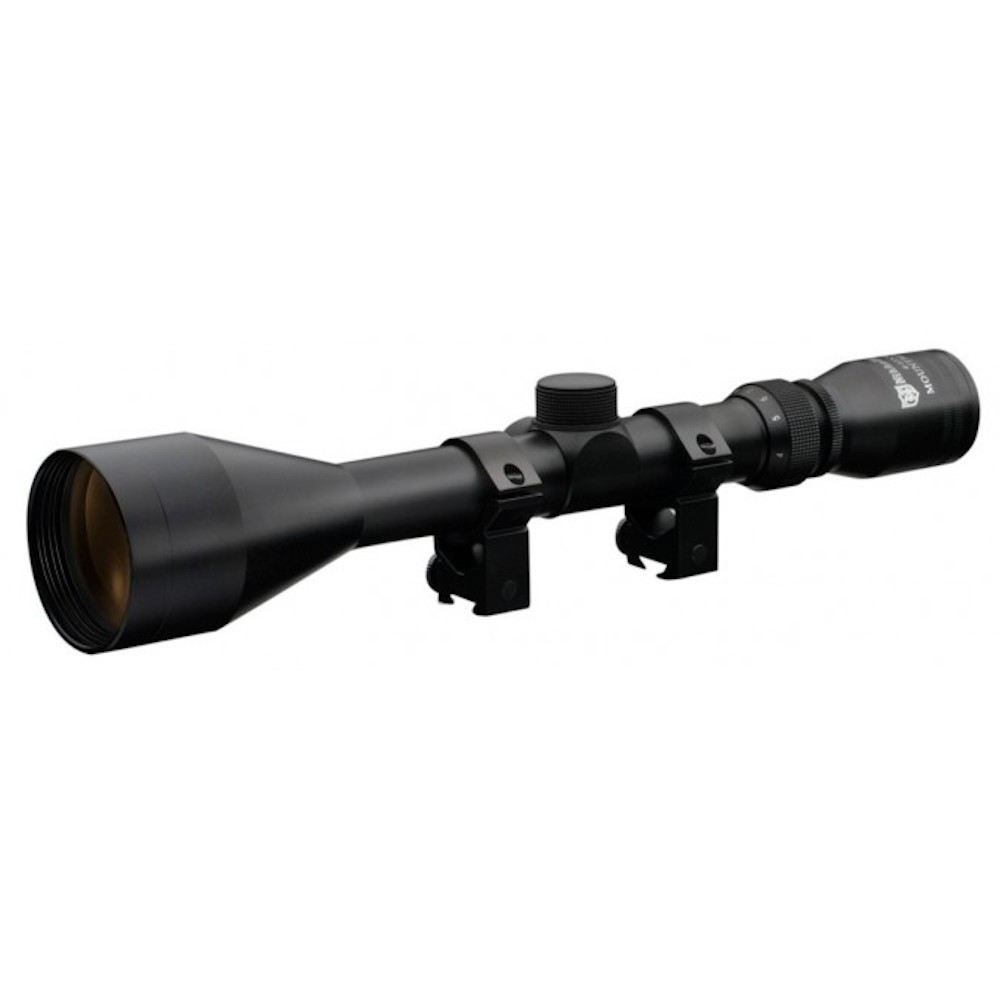



Reviews
There are no reviews yet.