

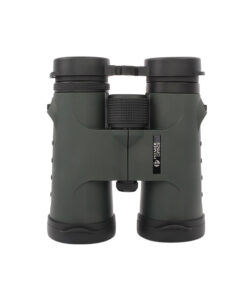
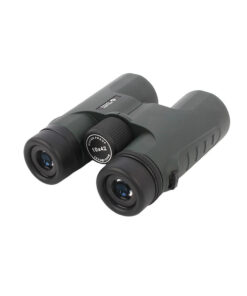
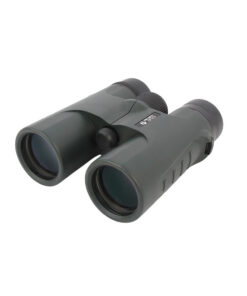
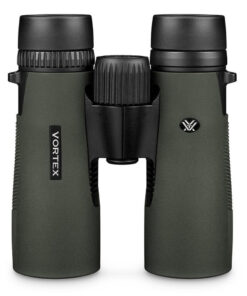
Discover outstanding optical performance with the Premier Optics 10×42 Light Binoculars, an excellent choice for outdoor enthusiasts seeking clear magnification, comfortable handling, and dependable observation capabilities. Designed for versatility, these lightweight binoculars deliver an impressive combination of visual clarity, ergonomic construction, and practical functionality.
Whether you’re exploring nature, observing wildlife, enjoying birdwatching, or surveying outdoor environments, a detailed viewing experience can be achieved with this compact optical instrument. Furthermore, the combination of 10x magnification and 42mm objective lenses makes distant subjects easier to observe without requiring unnecessarily bulky equipment.
At Top Air Gun Store – topairsgun.com, outdoor optics are valued for their precision, durability, and everyday usability. Consequently, this model represents an attractive option for customers who appreciate performance-oriented optical equipment.
Key Features and Product Highlights
- 10x Optical Magnification: Distant wildlife, landscapes, and stationary objects can be examined with greater visual detail.
- 42mm Objective Lenses: A practical balance between light collection, portability, and viewing comfort is provided.
- Multicoated Optical Elements: Reflections are reduced, helping to improve image clarity and contrast.
- Lightweight Ergonomic Construction: Comfortable handling is supported during extended outdoor observation sessions.
- 100m Field of View at 1,000m: A useful viewing area is provided for locating and following distant subjects.
- Rubber-Protected Exterior: Additional protection against everyday bumps, dirt, and outdoor handling is offered.
- Nitrogen-Filled Housing: Internal fogging is minimized during changing weather conditions.
- Water-Resistant Outdoor Design: Greater confidence is provided when environmental conditions become unpredictable.
- 3.5m Minimum Focus Distance: Nearby subjects can also be examined in considerable detail.
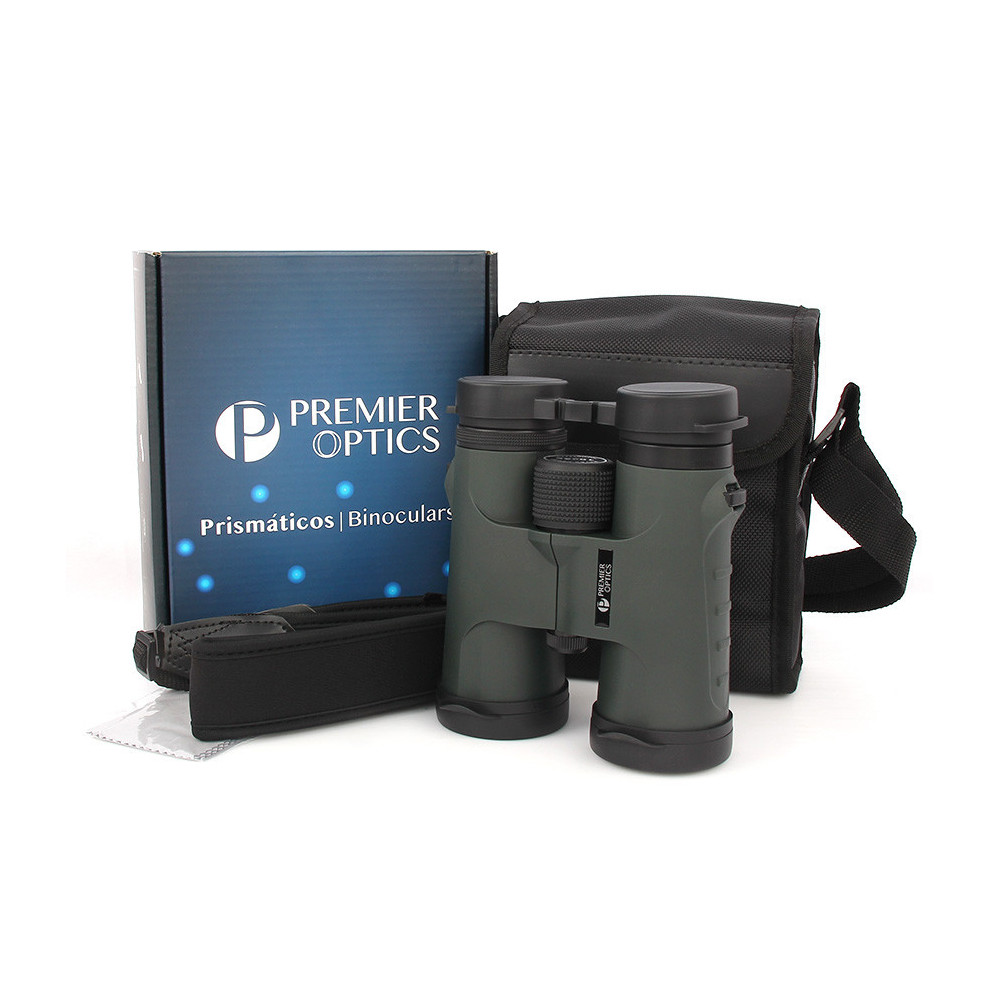
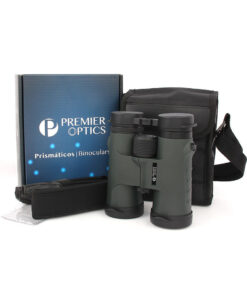
- Convenient Carrying Accessories: A protective case, carrying strap, hand strap, and lens covers are included.
Advanced Optical Performance and Precision Viewing

Powerful 10x Magnification for Detailed Observation
Greater viewing detail is achieved through the carefully selected 10x magnification system. Compared with unaided eyesight, distant subjects appear approximately ten times closer in angular size, allowing landscape features, wildlife characteristics, and other visual details to be examined more conveniently.
For instance, birds resting on distant branches can be identified more easily, while mountain scenery can be appreciated without physically approaching difficult terrain. Similarly, outdoor sporting activities can be enjoyed from a comfortable viewing position.
Moreover, the magnification level offers an appealing compromise between enlargement and handheld practicality. Although higher magnifications are available, additional stabilization may be required with more powerful optical instruments.
With these binoculars, useful magnification is combined with an approachable, travel-friendly design.
42mm Objective Lenses for Effective Light Collection
A comfortable viewing experience depends heavily on the relationship between magnification and objective lens diameter. Therefore, the 42mm objective lenses provide an important advantage for anyone seeking a practical balance between brightness and portability.
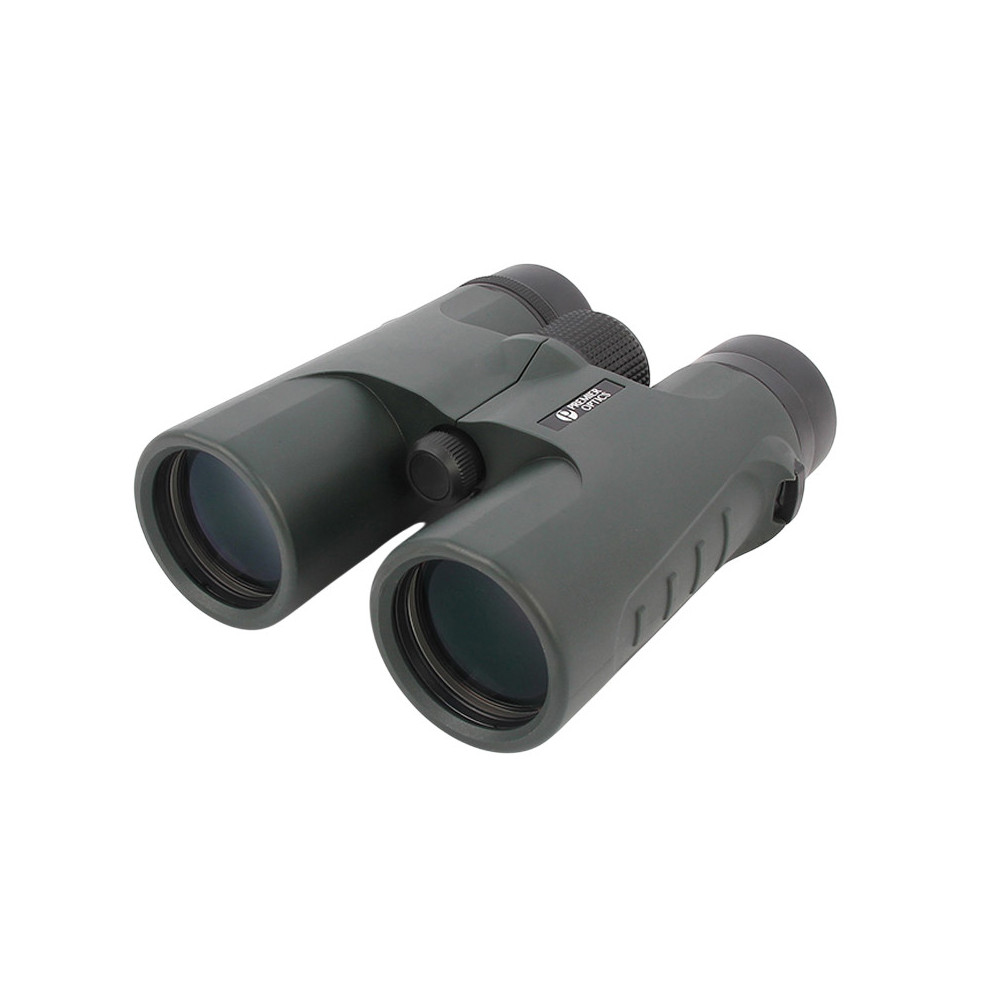
Natural daylight is collected through the front lenses and transmitted through the optical system, allowing surrounding scenery to be viewed with improved detail.
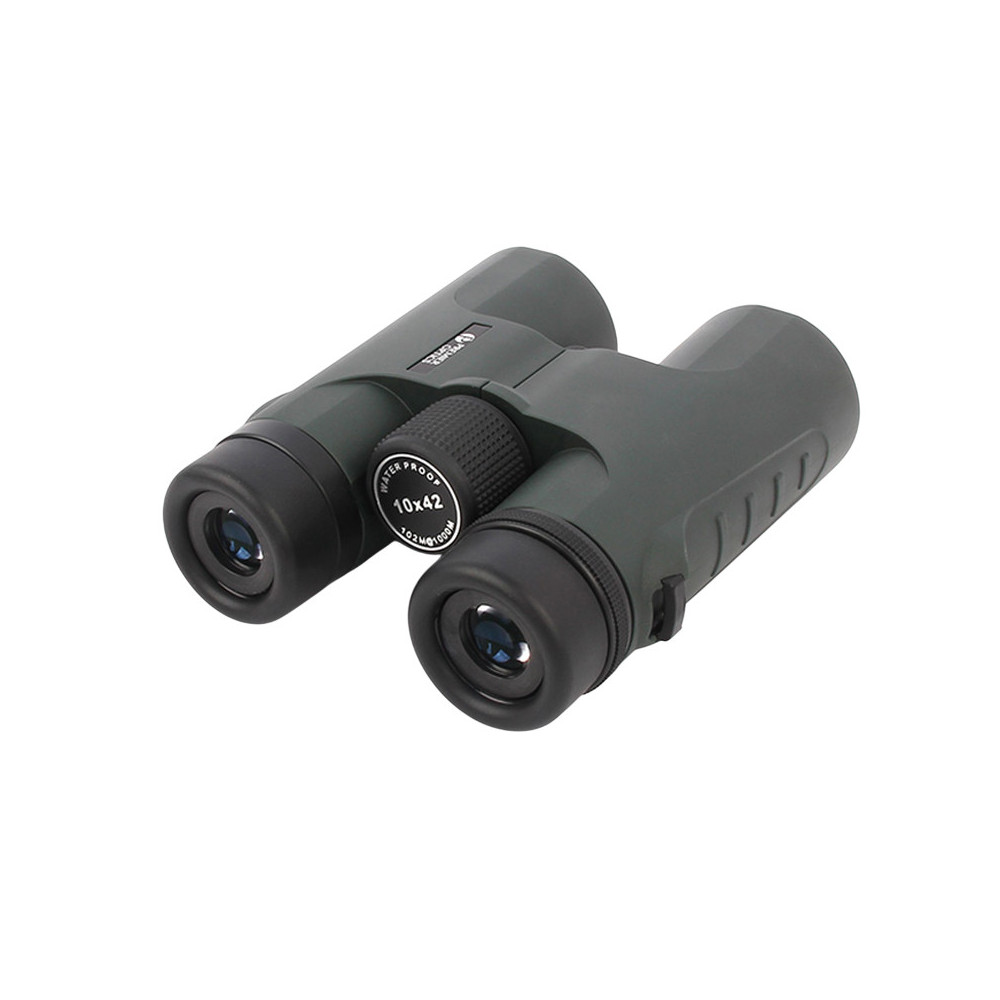
Additionally, the 10×42 configuration produces a theoretical 4.2mm exit pupil, which supports comfortable observation under many daytime conditions.
While performance naturally varies with environmental lighting, this optical arrangement is particularly suitable for daytime exploration, sightseeing, and general outdoor use.
As a result, unnecessary bulk can be avoided without sacrificing the practical benefits of larger objective lenses.
Multicoated Optics for Clearer Images
Optical coatings are essential components of a well-designed viewing instrument. In particular, unwanted reflections can reduce perceived contrast and interfere with image brightness.
Through the use of multicoated optical elements, reflection losses are reduced, supporting a clearer and more satisfying viewing experience.
Consequently, natural landscapes, distant objects, and textured surfaces can be examined with improved visual definition.
Furthermore, image clarity becomes especially valuable during extended observation sessions, when small details may otherwise become difficult to distinguish.
Whether you’re identifying birds, studying distant terrain, or simply enjoying panoramic scenery, dependable optical quality remains a major advantage.
Lightweight Construction, Outdoor Durability, and Everyday Comfort
Ergonomic Handling for Extended Viewing
Comfort is especially important when binoculars are carried throughout the day. Fortunately, the Premier Optics 10×42 Light Binoculars feature a lightweight structure designed to reduce unnecessary carrying inconvenience.
The currently listed version weighs approximately 583 grams, making it practical for hiking, travel, nature exploration, and recreational observation.
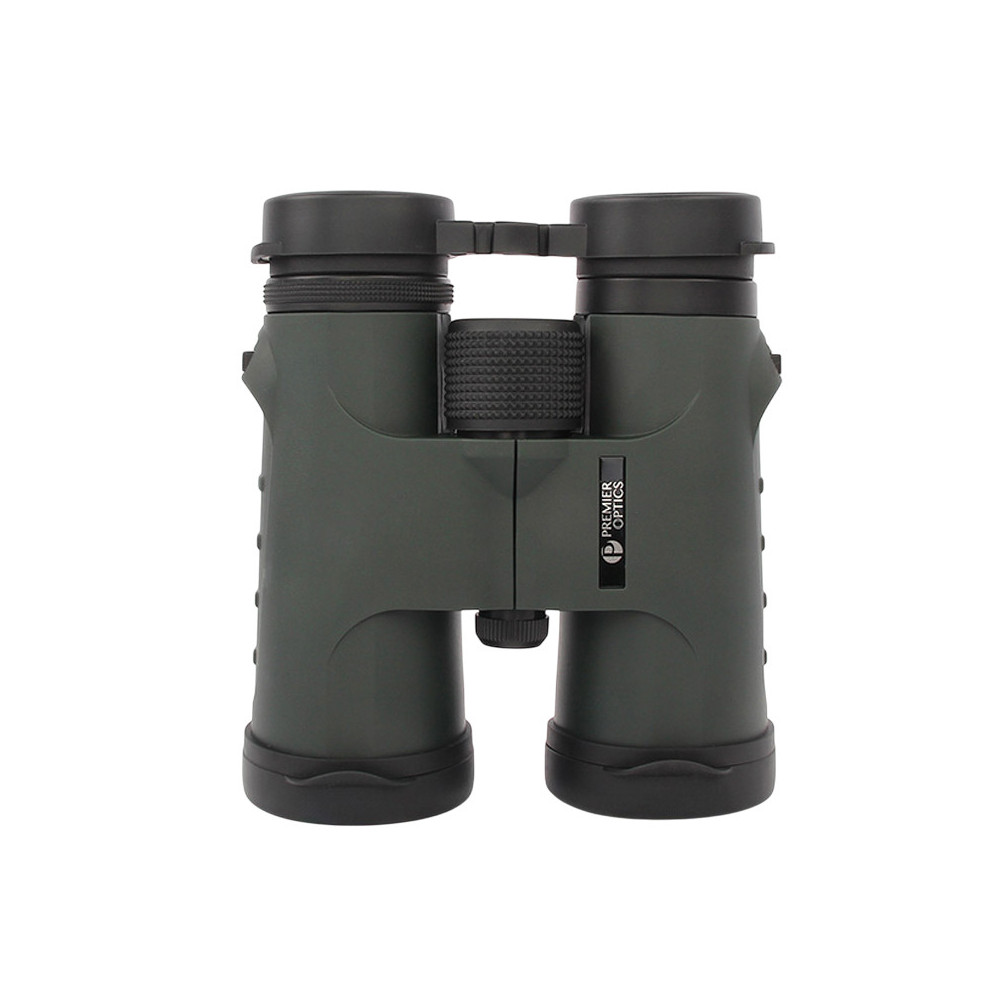
Additionally, the ergonomic body is shaped to support secure handling, while the rubberized exterior helps maintain a comfortable grip.
During extended outdoor activities, convenient handheld operation becomes increasingly valuable. Therefore, the compact body offers an appealing alternative to heavier observation equipment.
Whether used during a short countryside walk or an extended outdoor excursion, comfortable handling is prioritized.
Weather-Resistant Protection for Outdoor Adventures
Unpredictable weather frequently presents challenges for outdoor optical equipment. Accordingly, protective construction has been incorporated to support dependable everyday use.
The rubberized housing helps protect the exterior against minor knocks, dust, and routine outdoor contact.
Furthermore, the nitrogen-filled construction helps reduce internal condensation when temperature conditions change.
This feature is particularly useful when equipment is moved between warmer indoor spaces and cooler outdoor environments.
Although the binoculars are marketed as waterproof and fogproof, unnecessary immersion and prolonged exposure to severe conditions should still be avoided unless the manufacturer’s specific immersion rating has been verified.
With appropriate care, reliable performance can be maintained across a wide variety of outdoor environments.
Versatile Applications for Wildlife, Travel, and Outdoor Observation
Birdwatching and Wildlife Exploration
A closer connection with the natural environment can be enjoyed through effective optical observation.
For birdwatching enthusiasts, distant movement can be examined without disturbing wildlife unnecessarily. Meanwhile, characteristic feather patterns, body shapes, and behavior may become easier to recognize.
Similarly, animals observed across open countryside can be studied from a respectful distance.
Because a useful field of view is provided, locating subjects in open environments becomes more convenient.
Hiking, Camping, and Nature Photography
Outdoor adventures often reveal distant scenery that deserves closer attention. Therefore, these binoculars make an excellent companion for mountain walks, camping expeditions, and landscape exploration.
During hiking trips, surrounding terrain can be observed before selecting an appropriate route. Likewise, attractive scenic features can be examined from designated viewpoints.
For photography enthusiasts, distant subjects can also be located and evaluated before camera equipment is prepared.
Moreover, the lightweight design simplifies transportation when backpack space and equipment weight are important considerations.
Outdoor Sports and Recreational Observation
Beyond wildlife observation, these binoculars are suitable for viewing sporting events, outdoor competitions, and recreational activities.
From designated spectator areas, distant action can be followed more conveniently.
Additionally, landscape features and fixed observation points can be examined without requiring complicated electronic equipment.
For customers who already own airguns, spotting scopes, or shooting accessories, binoculars can serve as a separate general-purpose observation tool.
However, they should not replace appropriate eye protection or certified range-safety procedures.
Practical Accessories and Convenient Storage
Essential Equipment Included
Convenience is enhanced by the accessories supplied with the binoculars.
A protective carrying case helps reduce unnecessary exposure during transport. Meanwhile, the carrying strap provides convenient access when equipment is needed frequently.
Additionally, the hand strap supports secure handling, while protective objective and eyepiece caps help keep optical surfaces shielded during storage.
To preserve image quality, dust should be removed gently with suitable optical cleaning equipment before the lenses are wiped.
For best results, the binoculars should be stored in a clean, dry environment after outdoor use.
Why Choose Premier Optics 10×42 Light Binoculars?
A dependable optical instrument should combine visual performance, ease of use, convenient portability, and reasonable durability.
With this model, those priorities are addressed through practical 10x magnification, versatile 42mm objectives, protective exterior construction, and a comfortable handheld design.
Furthermore, both recreational beginners and experienced outdoor observers can appreciate the straightforward viewing experience.
Instead of relying on unnecessary complexity, everyday usability is emphasized throughout the design.
Order Your Outdoor Binoculars from Top Air Gun Store
Enhance your outdoor observation experience with the Premier Optics 10×42 Light Binoculars at topairsgun.com.
Whether your interests include birdwatching, hiking, wildlife observation, travel, or recreational outdoor activities, clear magnification and convenient handling can make every adventure more enjoyable.
Explore the details, compare the specifications, and choose reliable outdoor optics for your next adventure.
Understanding Calibres, FAC Regulations, and Optical Performance
The Premier Optics 10×42 Light Binoculars offer a practical solution for outdoor enthusiasts who value detailed observation, comfortable handling, and reliable optical magnification. Unlike air rifles, these binoculars are designed exclusively for viewing distant subjects rather than firing projectiles.
Consequently, traditional specifications such as calibre, muzzle energy, and firearm power do not apply. Instead, performance is determined by optical magnification, objective lens diameter, image clarity, and viewing conditions.
Whether used for birdwatching, nature exploration, recreational shooting observation, or sightseeing, these binoculars provide a versatile addition to an outdoor equipment collection.
Calibres and Compatibility with Airgun Activities
Although binoculars are not manufactured in specific shooting calibres, they can complement several types of recreational airgun equipment.
For example, enthusiasts using .177, .22, or .25 calibre air rifles may appreciate having a separate optical device for observing distant landscapes, identifying environmental features, and surveying designated outdoor activity areas.
However, binoculars cannot determine projectile calibre, measure muzzle velocity, or accurately establish pellet energy.
Furthermore, these viewing instruments should never be treated as substitutes for appropriate shooting-range equipment, protective eyewear, or target-identification safety procedures.
Their primary purpose remains straightforward: providing magnified observation of distant subjects.
FAC Requirements and Legal Considerations
In the United Kingdom, FAC stands for Firearm Certificate, a document associated with the legal possession of certain firearms and higher-powered airguns.
Because the Premier Optics 10×42 Light Binoculars contain no firing mechanism and cannot discharge projectiles, they do not ordinarily require a Firearm Certificate.
Additionally, the binoculars have no muzzle-energy classification, ammunition capacity, or firing-power restriction.
Nevertheless, customers should distinguish between the legal requirements applying to optical equipment and those governing firearms or air rifles.
Applicable rules may vary according to jurisdiction, equipment type, and intended use.
As a result, buyers should consult relevant local regulations when purchasing regulated shooting equipment, even when their binoculars themselves are unrestricted.
Optical Power and Magnification Performance
10x Magnification for Clear Distant Viewing
Optical magnification represents the primary performance measurement for this viewing instrument.
With 10x magnification, distant objects appear approximately ten times larger in angular size than they would when viewed without magnification.
Consequently, wildlife, landscape features, and distant stationary objects can be examined more conveniently.
Furthermore, the magnification level supports general handheld observation without the considerable bulk associated with some higher-powered optical systems.
Although slight hand movement may become noticeable during extended viewing, a stable grip can improve image comfort considerably.
42mm Objective Lenses and Image Brightness
The second number in the 10×42 designation identifies the diameter of each objective lens.
At 42mm, the front lenses provide a useful light-gathering aperture while maintaining a manageable overall size.
Additionally, the combination of a 42mm objective and 10x magnification produces a theoretical 4.2mm exit pupil.
This measurement is particularly relevant to viewing comfort and the brightness perceived under different lighting conditions.
However, actual optical performance also depends on lens coatings, prism transmission, atmospheric conditions, and available daylight.
Therefore, the binoculars should not be described as night-vision equipment or as providing a specific level of low-light performance without supporting manufacturer specifications.
Field of View and Close-Focusing Capability
A useful viewing area is provided through the approximately 100-metre field of view at 1,000 metres, allowing distant subjects to be located and followed comfortably.
Moreover, the 3.5-metre minimum focusing distance enables observation of relatively nearby objects, including garden birds, butterflies, and natural details.
This combination makes the binoculars suitable for varied viewing situations, from open landscapes to closer wildlife encounters.
Recommended Accessories for Premier Optics 10×42 Light Binoculars
1. Protective Carrying Case
A dedicated carrying case is among the most valuable accessories for binocular ownership.
When equipment is transported between outdoor locations, protection against dust, scratches, and accidental contact becomes essential.
Fortunately, a carrying case is included with this model. Additional padded storage may also be considered for extended travel.
2. Adjustable Neck Strap and Hand Strap
Comfortable transportation is supported by the supplied carrying and hand straps.
While the neck strap allows convenient access during walking and sightseeing, the hand strap provides added handling security.
Consequently, unnecessary drops may be prevented through proper attachment and careful equipment handling.
3. Microfiber Lens Cleaning Kit
Optical clarity is best maintained through appropriate lens-care practices.
A soft microfiber cloth, optical blower, and binocular-compatible cleaning solution are recommended for removing fingerprints and surface contamination.
Before wiping the lenses, loose particles should be removed to reduce the possibility of scratching protective coatings.
Additionally, harsh household chemicals and abrasive materials should be avoided.
4. Binocular Tripod Adapter
Although handheld operation is convenient, additional stability may improve comfort during prolonged observation.
A compatible tripod adapter, combined with a lightweight tripod, can help reduce visible image movement.
However, mounting compatibility should be checked before purchasing because a tripod connection has not been verified for this particular model.
5. Protective Lens Covers and Storage Accessories
The included objective and eyepiece covers help protect delicate optical surfaces between observation sessions.
Furthermore, a moisture-control pouch or suitable silica-gel packet can help maintain dry storage conditions.
When equipment is stored after exposure to rain or humidity, external moisture should be removed before the carrying case is closed.
Why These Binoculars Are a Practical Outdoor Investment
The Premier Optics 10×42 Light Binoculars combine useful magnification, manageable weight, and outdoor-oriented construction in a versatile optical package.
Unlike specialized powered observation devices, these conventional binoculars require no batteries for normal operation.
Furthermore, no ammunition, charging equipment, or FAC authorization is ordinarily needed.
For beginners, straightforward handling makes outdoor observation more accessible. Meanwhile, experienced enthusiasts can appreciate the convenience of an additional portable viewing instrument.
Explore the Premier Optics 10×42 Light Binoculars at topairsgun.com and discover a dependable companion for wildlife observation, hiking, travel, and recreational outdoor activities.
Choose practical optical performance, comfortable viewing, and everyday versatility for your next outdoor adventure.
Frequently Asked Questions (FAQs)
1. What makes these binoculars suitable for outdoor observation?
These binoculars are designed to provide a convenient combination of magnification, portability, and viewing comfort. Their 10x magnification allows distant subjects to appear approximately ten times larger in angular size than they would to the unaided eye. Meanwhile, the 42mm objective lenses provide a useful balance between light collection and manageable overall dimensions.
Additionally, the lightweight construction supports comfortable handling during nature walks, sightseeing, wildlife observation, and outdoor sporting events. Their conventional optical design requires no batteries or electronic configuration.
Consequently, users can enjoy a straightforward viewing experience without complicated equipment preparation. Whether you’re exploring countryside landscapes or observing distant natural features, this optical configuration supports a broad range of recreational activities.
2. Are these binoculars suitable for birdwatching?
Yes. Birdwatching is one of the most practical applications for this type of optical equipment. With 10x magnification, distant birds can be observed more closely without requiring physical proximity.
Furthermore, feather patterns, body shapes, and characteristic movements may become easier to recognize when adequate lighting and viewing conditions are available.
The 42mm objective lenses are also useful for daytime observation in gardens, woodlands, nature reserves, and open countryside.
However, beginners should remember that greater magnification can make handheld movement more noticeable. Therefore, supporting the elbows or maintaining a stable viewing position can improve comfort during longer birdwatching sessions.
3. Can these binoculars be used for wildlife observation?
Absolutely. Wildlife observation is supported by the versatile magnification system and practical handheld construction.
Animals situated across fields, lakes, woodland clearings, and protected natural habitats can be examined from appropriate viewing distances.
Moreover, binoculars allow outdoor enthusiasts to appreciate animal behavior without approaching wildlife unnecessarily.
For example, deer grazing in distant meadows, waterbirds resting near lakes, and other animals moving through natural surroundings may be observed more comfortably.
Nevertheless, viewing conditions depend on available light, atmospheric clarity, and the distance to the subject.
Responsible wildlife observation should always prioritize animal welfare and compliance with local conservation guidelines.
4. What does the 10×42 optical specification mean?
The two numbers describe magnification and objective lens diameter.
First, the number 10 indicates the magnification factor. Objects appear approximately ten times larger in angular size when compared with unaided observation.
Second, the number 42 identifies the objective lens diameter in millimetres.
Larger objective lenses can collect more light, although actual image brightness depends on several additional optical characteristics.
Together, these specifications represent a widely used configuration for nature observation, recreational travel, and general outdoor viewing.
Importantly, the numbers do not indicate digital zoom, electronic enhancement, or night-vision functionality.
5. Are these binoculars suitable for beginners?
Yes. The straightforward optical system makes them accessible to individuals who are beginning to explore binocular observation.
Unlike complicated electronic viewing devices, conventional binoculars generally require only basic focusing and adjustment before use.
Additionally, the portable design allows users to develop observation skills without carrying excessively heavy equipment.
Beginners should first adjust the distance between the eyepieces until a single circular image becomes visible.
Afterward, the main focusing mechanism can be used to sharpen the selected subject.
With regular practice, locating distant objects and maintaining a steady viewing position generally becomes easier.
6. Do these binoculars require a Firearm Certificate?
No Firearm Certificate is ordinarily required for conventional binoculars in the United Kingdom.
Because the equipment contains no firing mechanism, ammunition chamber, or projectile propulsion system, it is not classified as an air rifle or firearm merely because it can be used around recreational shooting activities.
However, separate laws may govern the ownership and operation of airguns, firearms, and other regulated products.
Consequently, buyers should distinguish between unrestricted optical equipment and regulated shooting devices.
For international purchases, applicable import and export requirements should also be checked where necessary.
7. Can these binoculars be used alongside air rifles?
Yes. Binoculars can complement recreational airgun activities by providing an independent means of observing landscapes, distant environmental features, and outdoor surroundings.
They may also be useful for identifying fixed observation landmarks from appropriate viewing locations.
Nevertheless, binoculars should not replace certified eye protection, safe target-identification procedures, or appropriate range supervision.
Similarly, they are not designed to measure pellet velocity, muzzle energy, or projectile trajectory.
Dedicated instruments are required for those functions.
For recreational shooting enthusiasts, their primary benefit is convenient general-purpose observation rather than any direct improvement to the performance of an air rifle.
8. Are these binoculars waterproof and fog-resistant?
The model has been described as having weather-resistant construction and nitrogen filling, which can help reduce internal lens fogging.
Nitrogen filling is particularly useful when equipment experiences changing temperatures and humidity conditions.
Additionally, protective exterior materials provide practical resistance to routine outdoor handling.
However, water resistance should not automatically be interpreted as unlimited waterproof protection.
Without a confirmed manufacturer immersion rating, users should avoid submerging the binoculars or exposing them unnecessarily to prolonged heavy rain.
After use in damp conditions, exterior surfaces should be dried carefully before storage.
Proper maintenance supports longer service life and helps preserve optical clarity.
9. Can these binoculars be used during low-light conditions?
The 42mm objective lenses provide a useful light-gathering aperture for conventional outdoor observation.
Furthermore, the 10×42 configuration produces a theoretical exit pupil measuring approximately 4.2mm.
Nevertheless, the clarity of images during dawn, dusk, or cloudy weather depends on available light, optical transmission, eye conditions, and surrounding environmental factors.
These binoculars should not be confused with dedicated night-vision or thermal-imaging devices.
They cannot create visible detail in complete darkness.
For best results, observation should be conducted under lighting conditions that allow the selected subject to be distinguished comfortably.
10. How comfortable are these binoculars during extended use?
Comfort is supported by the manageable dimensions, ergonomic body, and lightweight construction.
The listed model weighs approximately 583 grams, making it practical for recreational outings and general outdoor travel.
Additionally, a carrying strap helps distribute the weight when the binoculars are transported between observation locations.
During longer viewing sessions, users can improve stability by resting their elbows on a suitable surface or taking regular breaks.
Furthermore, adjusting the eyepieces correctly helps maintain a comfortable viewing position.
Individual comfort will naturally depend on hand size, viewing habits, eyesight, and the length of each observation session.
11. What accessories are recommended for everyday use?
A selection of practical accessories can help protect the equipment and improve overall convenience.
A padded carrying case is particularly useful during travel, while protective lens caps help prevent unnecessary surface contamination.
Additionally, a microfiber cleaning cloth and optical blower are recommended for routine lens maintenance.
An adjustable neck strap may improve accessibility during hiking and sightseeing.
For extended stationary observation, a tripod and suitable mounting adapter can also be considered, provided compatibility is confirmed beforehand.
Moreover, moisture-control products can help maintain appropriate storage conditions.
Choosing suitable accessories allows users to protect their equipment while making outdoor observation more comfortable.
12. How should the lenses be cleaned?
Correct cleaning procedures are important for protecting optical coatings and preserving image quality.
First, loose dust should be removed with a suitable air blower or soft optical brush.
Afterward, fingerprints and remaining marks can be cleaned using a microfiber cloth intended specifically for optical surfaces.
If necessary, a small quantity of lens-compatible cleaning solution may be applied according to the cleaning product’s instructions.
However, household detergents, abrasive fabrics, and excessive rubbing should be avoided.
Paper towels and rough clothing may trap particles that could scratch delicate lens surfaces.
Finally, protective caps should be replaced once the cleaned lenses are completely dry.
13. Are these binoculars suitable for hiking and camping?
Yes. Their portable design makes them a practical addition to hiking, camping, and countryside exploration equipment.
During walks, distant landscapes, natural landmarks, and wildlife can be examined without requiring complicated setup.
Furthermore, the conventional optical system operates without batteries, which simplifies preparation for longer outdoor excursions.
The carrying case and strap also support convenient transportation.
However, binoculars should not replace reliable navigation equipment, official trail information, or appropriate outdoor safety planning.
When properly maintained, they can contribute to a more engaging experience by allowing natural scenery to be appreciated in greater detail.
14. What is the field of view, and why is it important?
Field of view describes the width of the visible area at a specified observation distance.
A figure of approximately 100 metres at 1,000 metres means that the visible scene spans roughly 100 metres across at that distance.
This characteristic is particularly useful when observing moving wildlife, identifying landmarks, and scanning open countryside.
A wider viewing area generally makes subjects easier to locate.
However, magnification and field of view must be balanced according to the intended application.
For everyday nature observation, a practical field of view can make the overall experience more comfortable and convenient.
15. Can people who wear glasses use these binoculars?
Many conventional binoculars can be used by people who wear glasses, although comfort depends on eye relief and eyecup design.
Eye relief describes the distance between the eyepiece and the observer’s eye at which the full image can be seen.
For glasses wearers, adequate eye relief is particularly important.
If adjustable eyecups are provided, they can often be repositioned to improve viewing comfort.
However, the exact eye-relief specification for this model should be confirmed before purchase.
Customers who regularly wear prescription glasses should check the manufacturer’s measurements to ensure their individual requirements can be accommodated.
16. Are these binoculars appropriate for travel and sightseeing?
Absolutely. Sightseeing, countryside tourism, and recreational travel are among the most convenient applications.
Distant architectural features, mountain landscapes, coastlines, and scenic viewpoints can be examined with greater visual detail.
Additionally, their manageable weight makes the equipment practical for carrying during organized tours or independent outdoor excursions.
Since no battery power is required, preparation is generally uncomplicated.
Nevertheless, visitors should respect restrictions on optical equipment in sensitive locations, protected sites, and private properties.
With responsible handling, binoculars can enhance travel experiences by revealing details that might otherwise remain unnoticed.
17. What is the minimum focusing distance?
The listed minimum focusing distance is approximately 3.5 metres.
This means that subjects located at or beyond that distance can generally be brought into focus under suitable viewing conditions.
Close focusing is particularly useful when examining nearby birds, insects, flowers, or other natural features.
Furthermore, it expands the range of practical applications beyond distant landscape observation.
However, users should remember that minimum focusing distance is different from magnification.
The focusing mechanism adjusts image sharpness, while the optical magnification remains fixed at 10x.
18. Can these binoculars be mounted on a tripod?
Tripod mounting may be possible if the housing includes a compatible attachment point or accepts an appropriate adapter.
However, this specific model’s mounting interface has not been independently confirmed.
Consequently, customers should examine the manufacturer’s instructions or request compatibility information before purchasing additional mounting equipment.
When compatible, a tripod can improve stability during extended stationary observation.
This becomes particularly beneficial when examining distant subjects for long periods.
Nevertheless, handheld operation remains a practical choice for general walking, sightseeing, and short observation sessions.
19. How should these binoculars be stored after outdoor use?
Proper storage helps maintain both optical performance and exterior condition.
After use, dust and moisture should be removed carefully from the housing.
Additionally, the lenses should be cleaned only when necessary, using appropriate optical maintenance products.
The equipment should then be placed in a dry, well-ventilated storage environment.
If the binoculars have been exposed to rain, they should be allowed to dry before being enclosed in the carrying case.
Furthermore, prolonged exposure to excessive heat, direct sunlight, and high humidity should be avoided.
Protective lens covers can also reduce unnecessary contamination between observation sessions.
20. Why are these binoculars a worthwhile choice for outdoor enthusiasts?
These binoculars offer a practical combination of magnification, light collection, portability, and straightforward operation.
Their 10x viewing power supports detailed observation of distant subjects, while the 42mm objective lenses maintain a useful balance between brightness and compactness.
Additionally, the outdoor-oriented construction makes them suitable for recreational travel, wildlife watching, and everyday nature exploration.
No electronic power supply is required for ordinary operation, and familiar focusing controls keep the viewing process uncomplicated.
For customers seeking an accessible optical instrument without unnecessary complexity, this configuration represents an appealing option.
Explore our outdoor optics collection at topairsgun.com and find the equipment that best suits your observation preferences, comfort requirements, and next adventure.
Real-World Outdoor Performance, Observation Comfort, and Everyday Versatility
1. Wildlife Observation in Natural Environments
Observing Animals Across Open Landscapes
Wildlife observation becomes considerably more rewarding when distant animals can be examined without unnecessary disturbance. Whether visiting a nature reserve, exploring countryside trails, or observing animals from a designated viewing location, reliable optical magnification makes subtle details easier to recognize.
For example, imagine arriving at an open grassland during the early morning. Several deer are grazing near a distant woodland boundary, while smaller animals move through the surrounding vegetation. Instead of approaching these animals and potentially disturbing their behavior, their movements can be examined from a comfortable viewing position.
With 10x magnification, body shapes, movement patterns, and natural characteristics become easier to distinguish. Furthermore, the 42mm objective lenses provide a practical balance between light collection and portability.
Because outdoor observation frequently requires extended periods of patience, lightweight equipment is especially advantageous. Consequently, viewing sessions can be enjoyed without constantly adjusting heavy accessories.
Additionally, the ability to observe animals from an appropriate distance supports responsible wildlife appreciation and encourages greater awareness of natural habitats.
Monitoring Wildlife Behavior Throughout the Day
Animals frequently change their behavior depending on environmental conditions, feeding patterns, and the time of day. Therefore, a versatile optical instrument can improve the experience of observing these natural changes.
During daylight hours, birds may be seen gathering food, deer may move between sheltered areas, and small mammals may become visible along woodland boundaries.
Meanwhile, the optical focusing mechanism allows users to adjust image clarity as observation distances change.
For the best experience, viewing positions should be selected carefully, and unnecessary movement should be minimized.
Although visibility naturally depends on lighting and weather, clear magnification can help outdoor enthusiasts appreciate details that would otherwise remain difficult to observe.
2. Birdwatching in Gardens, Forests, and Wetlands
Identifying Birds from Comfortable Distances
Birdwatching offers an excellent opportunity to experience the advantages of handheld optical equipment. From local gardens to protected wetlands, many bird species can be observed more comfortably with magnification.
Imagine visiting a lakeside nature reserve where several species are resting near the water. Although the birds are visible to the unaided eye, distinguishing their characteristics may be difficult.
Through magnified viewing, differences in body shape, coloration, posture, and movement may become easier to identify.
Furthermore, a practical field of view helps users locate birds among surrounding vegetation.
When birds begin moving, careful handheld tracking allows their activity to be followed without immediately losing sight of the subject.
For beginners, this experience provides an accessible introduction to wildlife identification.
Observing Nesting and Feeding Activities
Birds often display fascinating behavior while feeding, communicating, and caring for their young.
However, responsible observation requires maintaining sufficient distance from nesting locations.
Instead of approaching sensitive habitats, individuals can use optical magnification to study activity from designated public viewing areas.
Additionally, a comfortable viewing position reduces the need for excessive movement.
During longer sessions, resting the elbows on a stable surface can help minimize visible image movement.
Consequently, more attention can be directed toward understanding natural behavior rather than continually adjusting viewing equipment.
3. Hiking and Mountain Exploration
Examining Distant Terrain During Outdoor Walks
Hiking frequently introduces opportunities to observe impressive natural scenery, distant geological formations, and unfamiliar landscapes.
For example, imagine following a marked mountain trail with panoramic views of surrounding valleys. Across the landscape, rocky outcrops, waterfalls, forest boundaries, and distant ridgelines become visible.
By using magnification, these natural features can be examined in greater detail.
Moreover, lightweight construction makes the equipment convenient to transport alongside ordinary hiking essentials.
Because the optical system operates without batteries, additional charging equipment is unnecessary.
However, observation equipment should never replace dedicated navigation tools or official trail guidance.
Instead, it serves as a useful companion for appreciating scenery and understanding the visual characteristics of the surrounding environment.
Enjoying Scenic Viewpoints
Mountain viewpoints often reveal landscapes extending across considerable distances.
Although these scenes may appear impressive without magnification, smaller features can remain difficult to recognize.
With enhanced optical viewing, distant buildings, natural formations, and landscape textures become more noticeable.
Furthermore, the conventional focusing system allows sharpness to be adjusted according to the selected subject.
When strong winds make handheld observation uncomfortable, users can improve stability by adopting a supported position.
As a result, sightseeing becomes more engaging without requiring complicated electronic equipment.
4. Recreational Shooting Range Observation
General Observation at Organized Shooting Facilities
Recreational shooting enthusiasts often use several forms of optical equipment alongside their primary sporting accessories.
At an organized shooting facility, handheld binoculars can provide a convenient means of observing surrounding landscapes, range structures, and designated nonhazardous viewing areas.
For example, spectators may wish to examine distant stationary features or understand the general layout of an outdoor sporting venue.
Magnification can make those details more accessible.
However, binoculars should never be used as substitutes for certified protective eyewear, range supervision, or specialized target-inspection equipment.
Additionally, all viewing activities must follow the facility’s established safety rules.
Where projectile impacts need to be inspected, dedicated spotting equipment or approved electronic target systems may provide more appropriate performance.
Supporting Recreational Outdoor Activities
Outdoor recreation often involves equipment with different purposes.
While air rifles and other sporting devices are governed by their own performance characteristics and legal requirements, binoculars remain independent observation instruments.
They do not measure projectile energy, establish shooting accuracy, or determine ammunition specifications.
Nevertheless, they can complement outdoor recreational interests by supporting general nature observation and landscape viewing.
Consequently, enthusiasts can enjoy a broader range of activities using one portable optical accessory.
5. Camping and Outdoor Adventure
Exploring the Surrounding Landscape from a Campsite
Camping offers numerous opportunities to enjoy natural surroundings without traveling far from the campsite.
During a peaceful morning, distant hills, birds, woodland edges, and nearby lakes can be examined from a comfortable seated position.
Additionally, natural landmarks may become easier to recognize when viewed through magnified optics.
For families and groups, observing scenery together can create engaging opportunities to discuss wildlife, geography, and environmental awareness.
Because the equipment requires no electronic power, it can remain ready for use during extended camping trips.
However, proper handling and protective storage remain important, particularly when equipment is shared among several people.
Observing Nature During Daylight Excursions
Camping activities frequently include walking, fishing, photography, and general sightseeing.
During these excursions, binoculars can be carried conveniently in a protective case or attached using an appropriate strap.
Furthermore, the manageable weight reduces unnecessary inconvenience when other outdoor supplies are being transported.
When conditions become humid, the exterior should be kept as dry as practical.
After returning to camp, appropriate cleaning and storage help preserve optical performance for future use.
6. Coastal Observation and Lakeside Recreation
Enjoying Distant Coastal Features
Coastal environments provide excellent opportunities for observing distant scenery.
From a designated public viewpoint, passing boats, shoreline formations, seabirds, and offshore structures may be examined more comfortably.
For example, a visitor standing on a coastal promenade may notice a vessel crossing the horizon.
Without magnification, identifying its general characteristics may be difficult.
Through enhanced viewing, the vessel’s outline and visible structural features can become easier to distinguish.
Furthermore, the practical handheld design allows users to move between observation locations without transporting unnecessarily bulky equipment.
However, binoculars should not replace certified marine navigation systems or emergency safety equipment.
Watching Waterbirds Around Lakes and Wetlands
Lakeside environments frequently attract waterbirds and other wildlife.
Ducks, herons, gulls, and similar species may be observed from designated walking paths or observation platforms.
Additionally, the focusing system supports viewing subjects at different distances.
When sunlight reflects strongly from the water, changing the observation angle may improve viewing comfort.
Care should also be taken to avoid directing optical equipment toward the sun, as concentrated sunlight can cause serious eye injury.
7. Travel, Tourism, and Sightseeing
Exploring Architectural Landmarks
Travelers regularly encounter impressive landmarks that cannot always be approached closely.
Historic buildings, monuments, distant bridges, and architectural structures can often be appreciated more fully with magnification.
For example, a visitor exploring a historic city may wish to examine decorative features positioned high above street level.
A handheld optical instrument allows these details to be observed from an appropriate public location.
Furthermore, the equipment can be carried between sightseeing destinations without complicated preparation.
Because no digital display or battery power is required, the viewing experience remains straightforward.
Enjoying Panoramic Tourist Attractions
Observation decks and panoramic viewpoints are popular destinations for travelers.
From elevated locations, distant neighborhoods, mountains, coastlines, and other recognizable landmarks may become visible.
With magnification, selected features can be examined more closely.
Additionally, travelers can adjust the focus according to changing observation distances.
However, viewing restrictions at museums, protected facilities, or sensitive locations should always be respected.
8. Outdoor Sports and Spectator Events
Following Activities from Designated Viewing Areas
Large outdoor sporting venues sometimes place spectators considerable distances from the action.
At appropriate events, binoculars can help viewers follow distant participants, identify equipment, or observe details around the venue.
For example, spectators attending an equestrian competition may appreciate seeing distant horses and riders more clearly.
Similarly, outdoor athletics and recreational events may be enjoyed with greater visual detail.
Nevertheless, venue policies should be checked before bringing optical equipment.
Observing Recreational Activities Across Open Spaces
Parks and outdoor recreation areas often host activities across large distances.
From designated public locations, binoculars may improve the viewing experience when activities take place far from the observer.
Furthermore, portable equipment provides a convenient alternative to fixed observation installations.
When using binoculars around other people, privacy and local rules should always be respected.
9. Nature Photography and Subject Identification
Locating Interesting Subjects Before Photography
Nature photographers frequently spend significant time identifying suitable subjects.
Before preparing a camera, binoculars can help determine whether a distant scene deserves closer attention.
For instance, an interesting bird may be visible near a woodland edge, or an unusual geological feature may appear across a valley.
Magnified observation makes it easier to examine those subjects before selecting a photographic position.
Additionally, wildlife behavior can be observed without immediately introducing larger camera equipment.
Consequently, photographers can approach their creative work with greater awareness of the surrounding environment.
Evaluating Landscapes and Natural Details
Landscape photography often requires careful attention to composition, texture, and lighting.
Although binoculars do not replace a camera viewfinder, they can support preliminary visual exploration.
Distant rock formations, trees, water features, and architectural elements may be examined separately before a broader photographic composition is selected.
Furthermore, the ability to switch quickly between unaided vision and magnified viewing supports convenient subject assessment.
10. Educational Field Trips and Environmental Learning
Supporting Outdoor Science Education
Educational activities often benefit from practical observation tools.
During school nature excursions, supervised participants can examine birds, vegetation, distant landscapes, and environmental features.
Additionally, magnification can help demonstrate concepts involving distance, visual perception, and basic optical science.
For example, learners may compare the appearance of a distant tree with and without optical assistance.
This simple activity can introduce discussions about magnification, objective lenses, and the importance of proper focusing.
However, younger users should receive appropriate supervision, particularly around roads, water, elevated locations, or other environmental hazards.
Exploring Geological and Geographic Features
Geology enthusiasts can use handheld optics to observe distant rock exposures, landscape structures, and visible changes in terrain.
From a safe public viewpoint, cliffs, sedimentary layers, volcanic formations, and erosion features may be examined without approaching hazardous surfaces.
Furthermore, these observations can contribute to a broader understanding of local geography.
Although binoculars cannot replace professional geological instruments or direct field measurements, they can support preliminary visual examination.
11. Everyday Home and Garden Observation
Watching Garden Wildlife
A home garden can provide a convenient setting for regular nature observation.
Birds feeding near trees, butterflies resting on flowers, and small animals moving around vegetation may be observed from a suitable distance.
Additionally, the minimum focusing capability allows some relatively nearby subjects to be examined.
A quiet viewing position can help prevent unnecessary disturbance.
Over time, repeated observations may reveal seasonal changes in wildlife activity and habitat use.
Appreciating Distant Residential Landscapes
In suitable rural or suburban environments, distant hills, woodland boundaries, and natural scenery may be enjoyed from a garden or outdoor seating area.
Furthermore, binoculars can provide a convenient way to appreciate these surroundings without leaving home.
However, optical equipment should never be used to intrude on the privacy of neighbors or other individuals.
12. Long-Duration Observation and Equipment Care
Maintaining Comfortable Viewing Sessions
Extended observation requires attention to posture, equipment positioning, and visual comfort.
Rather than continuously holding binoculars at eye level, users can take regular breaks and alternate between magnified viewing and normal eyesight.
Additionally, supporting the arms helps reduce fatigue and visible image movement.
Correct eyepiece adjustment can also improve comfort.
For individuals who wear glasses, compatible eye-relief specifications should be checked before purchase.
Protecting Optical Performance During Travel
Outdoor equipment is frequently exposed to dust, fingerprints, temperature changes, and accidental contact.
Consequently, appropriate storage and cleaning practices are essential.
Before wiping optical surfaces, loose particles should be removed using a suitable blower or soft lens brush.
Afterward, a microfiber cloth can be used when necessary.
Furthermore, protective covers should be replaced during storage.
Excessive heat, abrasive cleaning products, and unnecessary moisture exposure should be avoided.
Conclusion: A Versatile Companion for Everyday Outdoor Exploration
From wildlife observation and birdwatching to hiking, camping, sightseeing, and educational field activities, a dependable optical instrument can enrich numerous outdoor experiences.
The combination of 10x magnification and 42mm objective lenses offers a useful balance between viewing detail, portability, and practical handling.
Furthermore, straightforward operation allows beginners and experienced enthusiasts to enjoy the equipment without complicated preparation.
Whether exploring distant landscapes, observing natural habitats, or appreciating architectural landmarks, enhanced visual detail can make ordinary experiences more engaging.
With responsible handling, suitable accessories, and regular maintenance, these binoculars can serve as a valuable addition to an outdoor equipment collection.
Explore our selection of optical equipment at topairsgun.com and prepare for clearer, more comfortable observation during your next adventure.
Why Choose This Optical Equipment? Reasons It Is a Better Choice for Outdoor Observation
1. Superior Magnification for Clear and Detailed Viewing
One of the strongest reasons to choose this optical equipment is its practical combination of magnification and visual clarity. With a fixed 10x magnification system, distant objects appear approximately ten times larger in angular size than they would through unaided eyesight.
As a result, natural landscapes, wildlife, birds, and distant architectural features can be observed with greater detail.
Furthermore, the 42mm objective lenses provide a useful balance between light collection and equipment size. This combination supports comfortable daytime observation without requiring an excessively bulky optical system.
Unlike specialized rifle scopes, which are primarily designed for sighting along a mounted firearm or airgun, handheld binoculars are intended for general observation with both eyes.
Consequently, users can enjoy a more natural and versatile viewing experience across numerous outdoor activities.
2. Better Viewing Comfort Than Using a Rifle Scope for General Observation
Traditional rifle scopes are designed to support aiming applications and are generally used with one eye. Binoculars, however, allow both eyes to participate in the viewing experience.
This distinction can make recreational observation feel more comfortable and natural for many users.
Additionally, viewing through both eyes supports binocular depth perception, provided the observer’s eyesight and the equipment’s alignment allow it.
Whether watching wildlife, examining distant scenery, or following activities across open countryside, the two-eye viewing arrangement can provide a significant practical advantage.
Moreover, binoculars can be carried and used independently without handling a rifle.
For these reasons, they are often the more appropriate choice when the objective is simply to observe distant subjects rather than use a firearm-mounted aiming instrument.
3. Lightweight Construction for Greater Portability
Portability is particularly important for individuals who regularly explore outdoor environments.
Heavy observation equipment can become inconvenient during extended walks, countryside excursions, and travel. Therefore, a lightweight optical instrument offers considerable practical value.
The approximately 583-gram listed weight makes this model manageable for many recreational activities.
Furthermore, its compact design allows convenient transportation in a suitable carrying case or attached to a compatible neck strap.
During hiking trips, birdwatching excursions, or sightseeing activities, unnecessary carrying weight can be minimized.
Compared with larger observation instruments, the relatively compact construction also requires less storage space.
Consequently, users can maintain convenient access to magnified viewing without transporting an extensive equipment setup.
4. Practical Optical Performance Without Electronic Complications
Another important advantage is the straightforward conventional optical design.
Unlike digital night-vision equipment and electronic observation systems, ordinary binoculars do not require batteries, charging cables, software updates, or electronic configuration for standard operation.
Instead, the viewing experience is achieved through the optical system and manual focusing controls.
As a result, equipment preparation remains simple.
Furthermore, operation is not interrupted by a depleted battery.
For outdoor enthusiasts spending several hours away from electrical charging facilities, this independence can be particularly valuable.
Nevertheless, these advantages should not be confused with night-vision capability. Conventional optics depend on available ambient light and cannot produce a useful image in complete darkness.
5. Versatile Performance Across Multiple Outdoor Activities
Versatility represents another compelling reason to choose this type of equipment.
Whether exploring mountain landscapes, watching birds near a lake, observing wildlife from a nature reserve, or appreciating coastal scenery, the same viewing instrument can serve numerous recreational purposes.
Additionally, the 10x magnification level provides useful enlargement without introducing the considerable handling demands associated with some higher-powered devices.
For example, distant natural landmarks can be examined during a hike, while moving wildlife can be followed during a separate birdwatching excursion.
This flexibility makes the equipment suitable for users with several outdoor interests.
Rather than purchasing a different observation instrument for every activity, buyers may find that one well-chosen pair of binoculars meets many everyday requirements.
6. Better Convenience for Nature Observation and Wildlife Watching
Wildlife observation frequently requires patience, distance, and careful movement.
Approaching animals too closely can disturb their natural behavior or create unnecessary safety risks.
Fortunately, optical magnification allows animals to be viewed more closely from an appropriate observation location.
Furthermore, the handheld design enables the viewing direction to be adjusted without complicated mounting procedures.
Birds resting among trees, animals feeding across open fields, and waterbirds moving through wetlands may all become easier to observe.
Because the equipment is intended for general observation, it offers a more suitable solution than using an air rifle or firearm-mounted scope to examine unidentified subjects.
Responsible outdoor observation should always prioritize safety, privacy, and respect for wildlife habitats.
7. Useful Field of View for Locating Distant Subjects
Field of view plays an important role in the overall observation experience.
A viewing width of approximately 100 metres at 1,000 metres allows users to examine a meaningful section of the surrounding landscape.
This capability can be particularly useful when searching for birds, following moving animals, or observing large outdoor areas.
Furthermore, a practical field of view can make initial subject location more convenient than using an instrument with an extremely narrow viewing area.
Although actual visibility depends on atmospheric conditions and optical quality, suitable field coverage enhances general usability.
Consequently, the equipment is well suited to recreational observation requiring a balance between image enlargement and environmental awareness.
8. Outdoor-Oriented Construction for Everyday Reliability
Outdoor observation equipment is frequently exposed to changing temperatures, humidity, dust, and routine handling.
Therefore, protective construction can make an important difference to ownership experience.
The rubber-protected exterior helps reduce the effects of minor everyday contact, while nitrogen-filled construction is intended to limit internal fogging.
Additionally, protective lens covers help shield optical surfaces when the equipment is not being used.
However, users should avoid assuming that weather resistance guarantees protection against every environmental condition.
Until an exact immersion rating is confirmed, prolonged exposure to heavy rain or underwater use should be avoided.
With appropriate cleaning and storage, the optical components can be better protected throughout regular outdoor activities.
9. Accessible Operation for Beginners and Experienced Users
A useful optical instrument should provide effective performance without unnecessary operational complexity.
For beginners, manual focusing and straightforward eyepiece adjustment create an accessible introduction to binocular viewing.
Meanwhile, experienced users can appreciate the convenience of dependable magnification in a compact format.
Additionally, no firearm training or shooting-related qualification is required merely to operate ordinary handheld binoculars.
Unlike regulated air rifles, these instruments contain no projectile-launching mechanism or muzzle-energy system.
Consequently, they are appropriate for a broader range of recreational observation activities, subject to ordinary safety and local-use restrictions.
Their simplicity makes them an appealing choice for individuals seeking practical outdoor equipment.
10. Excellent Long-Term Value Through Practical Everyday Use
Long-term value depends on how frequently equipment can be used, how well it meets its intended purpose, and how effectively it is maintained.
Because these binoculars support birdwatching, sightseeing, landscape observation, travel, and numerous other activities, their usefulness extends beyond one specialized application.
Furthermore, conventional optical operation eliminates the need for replacement batteries during normal use.
A protective carrying case, appropriate cleaning accessories, and careful storage can also support equipment longevity.
Rather than focusing exclusively on magnification figures, buyers should consider overall comfort, portability, optical quality, and suitability for their preferred activities.
For customers seeking reliable recreational observation equipment, this combination of characteristics can represent a worthwhile investment.
Why This Is a Better Choice for General Observation Than a Rifle Scope
Although both types of equipment use optical magnification, they are designed for different purposes.
A rifle scope is intended to provide an aiming reference when correctly mounted on compatible equipment. In contrast, binoculars are designed for handheld observation and provide a separate optical channel for each eye.
As a result, binoculars are generally more convenient for wildlife watching, landscape exploration, sightseeing, and identifying distant natural features.
Additionally, they allow general observation without pointing a firearm or airgun toward the subject.
However, binoculars do not replace a properly fitted rifle scope for shooting applications, and they should never substitute for certified protective eyewear or established range-safety procedures.
The better choice ultimately depends on the intended activity.
Final Reasons to Choose This Outdoor Viewing Instrument
A combination of practical magnification, manageable weight, conventional optical construction, and versatile everyday applications makes this equipment attractive to outdoor enthusiasts.
Furthermore, its comfortable two-eye viewing arrangement provides advantages for prolonged recreational observation.
Whether examining distant wildlife, appreciating panoramic scenery, or exploring natural environments, enhanced visual detail can make outdoor experiences more enjoyable.
Choose an optical instrument designed for observation, comfort, portability, and everyday versatility. Explore the outdoor optics selection at topairsgun.com to find equipment suited to your next adventure.
Premier Optics 10×42 Light Binoculars – Outdoor Hunting, Fishing, Sports, and Adventure Optics
Discover Versatile Optical Performance for Outdoor Activities
The Premier Optics 10×42 Light Binoculars combine powerful magnification, portable construction, and convenient outdoor observation capabilities. Designed for nature enthusiasts, recreational sports participants, and adventure travelers, these binoculars provide a practical way to examine distant subjects with greater detail.
Whether you’re exploring wildlife habitats, visiting a tienda de caza, or comparing outdoor accessories at a tienda de caceria, reliable observation equipment can make outdoor activities more enjoyable.
Additionally, customers researching tienda alvarez, alvarezes, or specialist sporting retailers often encounter a broad selection of equipment for different recreational interests.
From birdwatching and landscape exploration to outdoor sports and environmental observation, this lightweight optical configuration supports numerous practical applications.
Hunting Equipment, Sporting Optics, and Outdoor Observation
Understanding Hunting Equipment Categories
Outdoor enthusiasts frequently compare equipment categories before choosing suitable accessories. For example, Spanish searches for escopetas cal 12, escopetas del 12, and escopetas del calibre 20 refer to different shotgun gauges.
Similarly, search phrases such as escopetas, escopetas de cartuchos, escopetas semiautomática, escopetas semiautomatica, escopeta 12 semiautomática, and escopeta 12 de 8 tiros concern firearm configurations rather than handheld optics.
Other common categories include rifle de caza, rifle de cerrojo, tipos de rifle, tipos de escopetas, and armas cortas.
Meanwhile, pistola del 22, pistola 22 pequeña, pistolas pequeñas, pistolé, benelli mp 95, benelli mp95, tac-9, and 50 caliber air rifle represent different firearm-related searches.
Although these products differ significantly in design and legal classification, binoculars remain independent observation equipment.
Outdoor Clothing and Observation Accessories
Proper clothing contributes to comfort during outdoor activities. Accordingly, enthusiasts may research camisas de caza, chaquetas de caza, chalecos de caza, gorros de caza, gorras pasamontañas, and gorras tom hart.
Additionally, searches such as hosen chiruca vigo may relate to specialized outdoor trousers or brand-specific apparel.
When comparing vision termica, visores térmicos para caza, and caza cámaras de caza, buyers should understand that ordinary binoculars cannot reproduce thermal-imaging capabilities.
Furthermore, terms such as adaptador para escopeta, cartuchos para escopeta calibre 12, peso plomo, and maquina de platos belong to separate shooting-equipment categories.
Questions including can i buy a gun on line, comprar caza, and que es una caza require consideration of local legislation and intended activities.
Fishing, Marine Recreation, and Coastal Exploration
Practical Observation Around Water
Fishing enthusiasts often appreciate magnified observation when exploring lakes, rivers, and coastal locations.
Searches for comprar pesca, caña mitchell, curricán, and pez sabalo reflect different aspects of recreational fishing.
Likewise, sabalo in english relates to identifying fish names across languages.
Although binoculars cannot locate fish underwater, they can help observers examine distant shorelines, surface activity, and recognizable landmarks.
Additional recreational searches include kayak deporte, defensas para barcos, chaleco de buceo, and botella buceo.
Diving Equipment and Water Safety
Underwater activities require equipment specifically designed for their operating environment.
Consequently, freediving gear for sale online, dieta del buceador, and cptao de buceo represent distinct information searches.
Similarly, pez piedra and piedra pez may appear in marine-life research, where accurate species identification is important.
The cressi ninja floating tac polarized wrap around sport sunglasses unsinkable represents an entirely different outdoor eyewear category.
Unlike diving equipment, conventional binoculars are intended for observation above water and should not be submerged without a verified waterproof rating.
Equestrian Activities and Countryside Exploration
Viewing Horses and Outdoor Events
Equestrian enthusiasts can use binoculars to observe horses from designated spectator areas.
For example, searches involving caballo morgan, alazanes caballos, and peruano caballo reflect interest in horse breeds and characteristics.
Likewise, como hablan los caballos concerns equine communication and behavior.
Related equipment searches include sudaderos para caballos, estribos en ingles, que es un arnes, and horse breasts, which may refer to equestrian tack terminology.
Additional product-related expressions include tienda de sillas de montar tenerife, bottes synthétiques à lacets riding world, and zaldi.
When viewing competitions, the optical magnification allows distant movement to be followed without entering restricted riding areas.
Golf Equipment, Outdoor Sports, and Recreation
Viewing Golf Courses and Sporting Activities
Golf environments frequently feature expansive fairways, distant landmarks, and scenic surroundings.
Therefore, binoculars can be useful for general observation from permitted spectator locations.
Golf enthusiasts researching birdie en el golf, vestimenta golf, golfkleidung herren, and chaussure golf femme may also appreciate comfortable viewing accessories.
Other searches include golf shoes without spikes, paraguas golf, futgolf, and regalo de golf.
Equipment-specific terms such as spider tour s counter balance, cobra air x driver, funda driver golf, and fundas para maderas golf relate to clubs and protective accessories.
Meanwhile, carrito de golf electrico, golfstream, tm mg, and golf set fürs büro represent additional golf-related categories.
The binoculars do not replace specialized golfing instruments but provide convenient magnification for general observation.
Outdoor Weather, Travel, and Environmental Awareness
Observing Different Natural Landscapes
Outdoor activities expose travelers to changing weather conditions and terrain.
Searches such as tipos de nieve, aludes, and pa para neve frequently arise when researching winter environments.
In mountainous regions, distant scenery can be examined through optical magnification from a safe observation position.
However, binoculars cannot predict avalanches or replace specialist mountain-safety equipment.
Similarly, qué es flexibilidad may concern physical movement, exercise, or the adaptability of outdoor equipment.
General searches including 900×60, 800×70, sgs6 specs, bkkk, speras, and escopetq require additional product context before reliable specifications or meanings can be assigned.
Additional Outdoor Equipment and Search Considerations
Specialist Product Research
Customers frequently compare unrelated sporting products while shopping online.
For instance, canicom 5.500 electronic training collar relates to animal-training equipment, while paquito fernández may appear in sports-related research.
Likewise, grupohermanosalvarez.com customer service phone number is a retailer contact-information query rather than a binocular specification.
Language searches such as el or la leche also have no direct relationship to optical equipment.
These terms should be distinguished from technical characteristics when evaluating outdoor products.
Why Choose These Lightweight Binoculars?
Reliable Magnification and Comfortable Handling
The 10x magnification provides useful visual enlargement, while the 42mm objective lenses balance light collection and portability.
Furthermore, conventional optical operation eliminates the need for batteries during everyday viewing.
Whether observing wildlife, exploring countryside landscapes, enjoying sporting events, or appreciating distant scenery, the instrument offers straightforward functionality.
Unlike firearm-mounted scopes, handheld binoculars are intended for general-purpose observation using both eyes.
Additionally, protective storage and appropriate optical cleaning can help preserve long-term usability.
Explore Outdoor Optics at Top Air Gun Store
Choosing suitable observation equipment means prioritizing optical clarity, comfort, portability, and intended use.
The Premier Optics 10×42 Light Binoculars offer a versatile solution for outdoor enthusiasts who appreciate detailed visual observation without unnecessary complexity.
Visit topairsgun.com to explore outdoor optics, compare available specifications, and select equipment that complements your recreational interests.
Enjoy clearer observation, practical everyday magnification, and greater appreciation of the outdoors




Reviews
There are no reviews yet.