
Experience the outdoors with remarkable clarity through the ZEISS TERRA ED binoculars, a premium optical solution designed for nature observation, birdwatching, wildlife exploration, hunting observation, and outdoor adventures. Developed with ZEISS optical expertise, these binoculars combine sophisticated lens technology, practical ergonomics, and dependable weather protection to deliver a satisfying viewing experience.
Whether distant wildlife is being observed, landscapes are being explored, or moving subjects are being followed, impressive image quality can be enjoyed without unnecessary complications. Furthermore, the lightweight construction ensures comfortable handling, while the advanced optical system supports natural color reproduction and detailed observation.
For outdoor enthusiasts seeking high-quality binoculars with ED glass, this series offers an appealing combination of performance, portability, and value.
Key Features and Product Highlights
- Premium ED Glass: Improved image clarity, contrast, and color accuracy are supported by extra-low dispersion glass.
- 8x and 10x Magnification Options: Different viewing preferences are accommodated across the available models.
- Advanced ZEISS Optical Coatings: Bright, detailed images are delivered through carefully engineered optical surfaces.
- 88% Light Transmission: Impressive brightness is provided under a variety of daylight conditions.
- Waterproof Construction: Reliable protection is incorporated for outdoor use in changing weather.
- Nitrogen-Filled Optical Housing: Internal fogging caused by moisture is minimized.
- Hydrophobic Lens Coating: Water droplets and dirt are more easily managed during observation.
- Lightweight, Compact Design: Comfortable transport is supported during hiking, travel, and extended exploration.
- Smooth Central Focus Wheel: Precise focusing adjustments can be made conveniently.
- Ergonomic Exterior: A secure, comfortable grip is provided for practical field handling.
- Multiple Configurations: Options include 8×32, 10×32, 8×42, and 10×42, alongside compact Pocket models.
Advanced ED Glass Technology for Outstanding Image Clarity

Experience Sharper Details and More Natural Colors
Exceptional optical performance begins with quality glass. Consequently, extra-low dispersion glass is incorporated into the optical design to reduce unwanted color fringing and improve image definition.
When distant objects are examined, fine details can be distinguished more effectively, while natural colors are preserved for a realistic viewing experience. Additionally, the visible separation between contrasting surfaces is enhanced, making wildlife, vegetation, and landscape features easier to observe.
Unlike basic optical designs, which may produce noticeable colored edges around high-contrast subjects, the advanced ED system helps minimize chromatic aberration.
As a result, clearer outlines, improved contrast, and more satisfying overall image quality can be enjoyed.
ZEISS Multicoating for Bright and Detailed Observation
High-quality optical surfaces are essential when accurate visual information is required. Therefore, advanced ZEISS multicoating technology is applied to support efficient light transmission and image clarity.
With light transmission specified at 88%, the binoculars provide impressive viewing brightness for their class.
Furthermore, unnecessary reflections are reduced through the optical coatings, while fine visual details are maintained under suitable lighting conditions.
Whether a bird is being watched across a woodland clearing or a distant hillside is being examined, a balanced and natural image can be appreciated.
However, visibility during twilight remains dependent on the selected objective diameter, magnification, surrounding conditions, and available light.
Waterproof and Fog-Resistant Construction for Outdoor Reliability

Built to Withstand Changing Weather Conditions
Outdoor adventures frequently involve unpredictable weather. Accordingly, the housing has been engineered with waterproof construction to support reliable performance during rain, mist, and damp conditions.
In addition, nitrogen filling is used to reduce internal lens fogging when temperatures or humidity levels change.
With these protective features, dependable observation can be maintained during challenging outdoor activities.
The rugged exterior also offers practical protection against everyday handling demands. Meanwhile, the glass-fiber-reinforced housing combines structural durability with manageable weight.
Whether used during countryside walks, wildlife expeditions, or extended hiking trips, the binoculars offer reassuring construction without unnecessary bulk.
Hydrophobic Coating for Easier Lens Maintenance
Clear optical surfaces are particularly important when observing distant subjects.
For that reason, a hydrophobic coating is incorporated to help moisture move away from the exposed lenses. As a result, cleaning can be simplified, and outdoor viewing interruptions may be reduced.
Nevertheless, appropriate optical cleaning materials should always be used to protect the lens surfaces and preserve coating performance.
ZEISS TERRA ED Binoculars – Lightweight Comfort and Ergonomic Handling
Comfortable Grip for Extended Observation
A well-balanced optical instrument can make outdoor observation significantly more enjoyable.
With ergonomic handling prioritized throughout the design, these binoculars can be held comfortably while distant subjects are examined.
Moreover, the central focusing wheel is positioned for convenient operation, allowing adjustments to be performed naturally.
The smooth focusing mechanism also supports quick transitions between subjects at different distances.
For birdwatchers, nature photographers, hikers, and wildlife observers, this practical arrangement provides meaningful everyday convenience.
Compact Construction for Convenient Travel
Portability is another important advantage.
The 32 mm configurations provide a lighter alternative to the larger 42 mm models, while the Pocket versions offer additional compactness for travel.
Consequently, equipment can be packed more efficiently without sacrificing the essential benefits of quality optics.
Although the larger objective lenses offer advantages when additional light collection is desired, the smaller configurations may be preferred for long walks and lightweight packing.
Available Magnifications and Optical Specifications
Different observation needs are accommodated through multiple configurations.
| Model |
Magnification |
Objective Diameter |
Field of View at 1,000 m |
| 8×32 |
8x |
32 mm |
135 m |
| 10×32 |
10x |
32 mm |
112 m |
| 8×42 |
8x |
42 mm |
125 m |
| 10×42 |
10x |
42 mm |
110 m |
| Pocket 8×25 |
8x |
25 mm |
119 m |
| Pocket 10×25 |
10x |
25 mm |
97 m |
Choosing Between 8x and 10x Magnification
For observers seeking a wider viewing area and steadier handheld images, 8x magnification is frequently preferred.
Moving animals and birds can generally be located more easily within a wider field of view. Additionally, handheld movement is less noticeable than at higher magnification.
Alternatively, 10x magnification provides a closer apparent view of distant subjects.
Therefore, additional visual detail may be appreciated when wildlife, distant landmarks, or landscape features are being examined.
However, a steadier grip may be required to achieve the best possible viewing experience.
Understanding 32 mm and 42 mm Objective Lenses
When portability is prioritized, 32 mm objective lenses provide a practical balance between optical capability and equipment size.
Conversely, 42 mm lenses offer larger exit pupils at equivalent magnification, which can improve viewing comfort and support observation under reduced lighting.
Ultimately, the most suitable configuration should be selected according to individual requirements and intended activities.
Practical Applications for Wildlife and Outdoor Observation
Birdwatching and Nature Exploration
Birdwatching becomes especially rewarding when subtle movement, plumage details, and natural colors can be observed clearly.
With the precision offered by the optical system, distant birds can be followed while their appearance and behavior are examined.
Furthermore, a broad field of view can make it easier to locate subjects moving through trees or across open landscapes.
Hunting Observation and Wildlife Identification
During permitted hunting-related observation, reliable binoculars can help users examine terrain, identify wildlife, and assess surrounding conditions before making decisions.
Because clarity and comfortable handling are important, the optical and ergonomic features provide useful support during field observation.
Importantly, binoculars are intended for observation and should never replace appropriate safety procedures.
Hiking, Travel, and Scenic Viewing
Memorable landscapes deserve detailed observation.
From mountain ridges to coastal viewpoints, distant features can be brought into clearer view through the available magnification options.
Meanwhile, the compact construction makes transportation practical during everyday excursions and longer adventures.
Why Choose ZEISS TERRA ED Binoculars?
A Balance of Optical Quality, Durability, and Value
The principal advantages of this series are found in its thoughtful combination of dependable construction and capable optical engineering.
Excellent clarity is supported by ED glass, while comfortable handling is provided through an accessible ergonomic design.
Additionally, weather resistance makes the equipment suitable for varied outdoor environments.
Rather than relying on complicated functions, the design emphasizes consistent optical performance and straightforward operation.
For beginners entering the world of premium optics and experienced outdoor users seeking a dependable companion, meaningful value is offered.
Upgrade Your Outdoor Viewing Experience with Topairsgun.com
Discover the difference that quality optics can make during every outdoor adventure.
With ZEISS TERRA ED binoculars, distant landscapes, wildlife, and natural details can be appreciated through a refined combination of sharp imaging, comfortable handling, and durable construction.
Whether an 8x or 10x configuration is preferred, reliable observation and practical portability remain central advantages.
Explore ZEISS TERRA ED binoculars at Topairsgun.com and select the magnification and objective size that best suit your outdoor adventures.
ZEISS TERRA ED Binoculars – Calibres, FAC, Optical Power, Recommended Accessories and Compatibility
Understanding Calibres, FAC Requirements and Optical Performance
Calibre Compatibility and Intended Use
Unlike traditional air rifles or firearms, the ZEISS TERRA ED binoculars are optical observation instruments designed for wildlife viewing, birdwatching, hunting observation, outdoor exploration, and landscape examination. Consequently, no ammunition, pellets, cartridges, or calibre classifications are associated with their operation.
Instead, performance is determined by optical specifications such as magnification, objective lens diameter, field of view, light transmission, and image clarity.
For customers comparing binoculars with riflescopes, an important distinction should be understood. Although both instruments use advanced optical technology, binoculars are designed for handheld observation rather than firearm mounting or aiming.
Furthermore, their optical construction allows distant subjects to be observed comfortably using both eyes, providing a natural and immersive viewing experience.
Firearms Certificate (FAC) Requirements
A Firearms Certificate, commonly abbreviated as FAC in the United Kingdom, is associated with the possession of certain firearms and air weapons under applicable legislation.
However, these binoculars do not function as firearms or airguns. Therefore, an FAC is not required in the UK solely to purchase, possess, or use ordinary ZEISS TERRA ED binoculars.
Similarly, these optical instruments are not classified according to muzzle energy, projectile velocity, or ammunition capacity.
As a result, customers can select their preferred optical configuration without needing to consider firearm power classifications.
Nevertheless, local regulations governing access to hunting areas, wildlife observation, and outdoor activities should always be respected.
Magnification Power and Optical Performance
8x Magnification – Wide Viewing and Comfortable Observation
The 8x models provide an image that appears approximately eight times closer than it would to the unaided eye.
With this magnification, a useful balance between viewing stability and detail recognition is achieved.
Additionally, wider fields of view are generally provided compared with equivalent 10x configurations, making moving wildlife easier to locate and follow.
For birdwatchers, hikers, and nature enthusiasts, comfortable handheld observation can be enjoyed without excessive image movement.
10x Magnification – Enhanced Distant Detail
For customers seeking greater apparent image enlargement, the 10x configurations provide an appealing alternative.
Distant landscape features, birds, and wildlife can be examined at a higher magnification, allowing smaller visual details to become more apparent.
Moreover, the optical performance is supported by extra-low dispersion glass, which helps minimize chromatic aberration and preserve natural color reproduction.
However, small hand movements become more noticeable at increased magnification. Accordingly, steady positioning is recommended during prolonged observation.
Objective Lens Size and Light Transmission
Optical power is influenced not only by magnification but also by the diameter of the objective lenses.
The 42 mm models are designed to provide increased light-gathering capability compared with smaller versions. Therefore, comfortable observation can be supported during cloudy weather, shaded woodland conditions, and periods of reduced daylight.
Alternatively, the 32 mm models offer a lightweight solution for users prioritizing portability.
Across the range, 88% light transmission is specified by ZEISS, helping deliver bright images and natural colors.
Optical Specifications at a Glance
| Model |
Power |
Objective Lens |
Exit Pupil |
| TERRA ED 8×32 |
8x |
32 mm |
4.0 mm |
| TERRA ED 10×32 |
10x |
32 mm |
3.2 mm |
| TERRA ED 8×42 |
8x |
42 mm |
5.3 mm |
| TERRA ED 10×42 |
10x |
42 mm |
4.2 mm |
These specifications are based on ZEISS’s published technical information.
Premium quality for beginners+1
Recommended Accessories for ZEISS TERRA ED Binoculars
Protective Carrying Case
A durable carrying case is strongly recommended for maintaining the binoculars in excellent condition.
During transportation, additional protection can be provided against dust, scratches, and accidental contact with surrounding equipment.
Furthermore, a well-fitted case makes storage more convenient during travel, hiking, or wildlife observation.
Binocular Neck Strap or Harness
For extended outdoor activities, a comfortable neck strap or binocular harness can improve carrying convenience.
With a properly fitted harness, weight can be distributed more comfortably, while unnecessary movement during walking can be reduced.
Additionally, the binoculars can remain readily accessible when unexpected wildlife appears.
Optical Lens Cleaning Kit
A dedicated optical cleaning kit is recommended for maintaining clear viewing surfaces.
Suitable accessories include:
-
Microfiber cleaning cloth – Helps remove fingerprints and light smudges.
-
Optical lens brush – Assists with removing loose dust.
-
Air blower – Helps dislodge particles without touching the glass.
-
Lens-safe cleaning solution – Supports careful removal of stubborn marks.
-
Protective lens covers – Reduce exposure to dirt during storage.
Always follow ZEISS cleaning recommendations to preserve the lens coatings.
Tripod Adapter and Stable Viewing Support
During prolonged observation, a compatible tripod mounting solution may improve comfort and viewing stability.
However, tripod attachment compatibility should be confirmed for the exact binocular configuration before purchasing an adapter.
Alternatively, users can benefit from a stable observation position or suitable binocular support.
Selecting the Best Optical Configuration
Recommended for Birdwatching and Hiking
The 8×32 configuration provides a practical combination of portability, wider viewing coverage, and comfortable handheld performance.
For travelers and birdwatchers, its relatively lightweight construction makes it particularly appealing.
Recommended for General Wildlife Observation
The 8×42 configuration offers an excellent balance between image brightness, magnification, and viewing comfort.
Moreover, its larger exit pupil can make eye positioning more forgiving during extended use.
Recommended for Distant Landscape Observation
The 10×42 configuration is well suited to customers seeking higher magnification while retaining the benefits of a 42 mm objective lens.
Although increased steadiness may be needed, fine details can be observed at greater apparent enlargement.
Enhance Your Outdoor Experience with Premium ZEISS Optics
Whether wildlife identification, nature exploration, hunting observation, or scenic viewing is your priority, these premium binoculars offer dependable optical performance without the complications of firearm-related specifications.
With advanced ED glass, practical magnification choices, weather-resistant construction, and carefully selected accessories, every outdoor viewing experience can be made more enjoyable.
Discover the ZEISS TERRA ED range at Topairsgun.com and choose the optical configuration and accessories that match your observation needs.
Frequently Asked Questions (FAQs)
General Information and Optical Performance
1. What makes these binoculars suitable for outdoor observation?
These binoculars have been developed to provide a dependable combination of optical clarity, ergonomic comfort, and weather-resistant construction. With extra-low dispersion glass incorporated into the optical system, unwanted color fringing is reduced, while image sharpness and natural color reproduction are improved.
Furthermore, advanced lens coatings support efficient light transmission, allowing wildlife, distant landscapes, and natural surroundings to be observed with impressive detail. The lightweight housing also makes extended outdoor use more comfortable.
Whether birdwatching, hiking, sightseeing, or wildlife observation is planned, a reliable viewing experience can be enjoyed across different environments.
2. What is the advantage of extra-low dispersion glass?
Extra-low dispersion glass, commonly called ED glass, is specially engineered to minimize chromatic aberration. This optical phenomenon can create unwanted colored outlines around objects, particularly when bright and dark surfaces are viewed together.
By reducing this effect, clearer image boundaries and more accurate colors are produced. Consequently, fine details such as feathers, tree branches, and distant landscape features can be distinguished more comfortably.
Additionally, improved optical correction contributes to a more natural viewing experience, especially when subjects with intricate patterns or contrasting colors are examined.
3. Are these binoculars suitable for beginners?
Yes. A straightforward focusing mechanism and practical ergonomic design make these optical instruments accessible to beginners.
Unlike complicated electronic observation equipment, no batteries, digital menus, or software configurations are required. Instead, the user can simply adjust the eyepieces, set the diopter, and rotate the central focusing wheel until the subject appears sharp.
Furthermore, the comfortable grip allows steady handheld observation during everyday activities.
For customers exploring premium optical equipment for the first time, this simplicity offers a significant advantage.
4. Can they be used by experienced outdoor enthusiasts?
Absolutely. Experienced observers can appreciate the balanced combination of image quality, portability, and dependable operation.
With advanced optical coatings and ED glass technology, detailed visual information can be obtained without requiring an excessively large instrument.
Moreover, the weather-resistant construction supports regular field use, while the different magnification configurations allow users to select equipment according to their preferred observation style.
Although higher-tier professional optics may offer additional performance advantages, these models remain a practical choice for serious recreational observation.
Magnification, Image Clarity, and Viewing Distance
5. What is the difference between 8x and 10x magnification?
The primary difference is the apparent enlargement of distant objects.
With 8x magnification, a subject appears approximately eight times closer than it would through unaided vision. Additionally, a wider field of view and reduced sensitivity to hand movement are generally provided.
Conversely, 10x magnification makes distant subjects appear approximately ten times closer. Therefore, smaller details may become easier to distinguish when viewing conditions are favorable.
However, image movement can become more noticeable at higher magnification.
For general birdwatching and comfortable handheld observation, 8x is often preferred. Meanwhile, 10x may be selected for examining distant landscapes and wildlife.
6. Which objective lens size should be selected?
The appropriate objective diameter depends primarily on portability requirements and expected lighting conditions.
A 32 mm objective offers a compact, lightweight solution that is especially convenient during hiking, travel, and daytime observation.
Alternatively, a 42 mm objective can provide a larger exit pupil at equivalent magnification, supporting comfortable viewing when available light becomes limited.
Consequently, customers who prioritize reduced equipment weight may prefer smaller lenses, while those frequently observing wildlife in shaded environments may benefit from larger objectives.
7. How far can distant objects be observed?
No single maximum viewing distance applies because optical visibility is influenced by atmospheric conditions, subject size, lighting, and magnification.
Large landscapes, buildings, and mountain features can be observed across considerable distances when visibility is clear.
However, identifying fine details on smaller subjects requires suitable lighting and sufficient apparent image size.
Rather than relying on exaggerated distance claims, users should evaluate magnification, optical resolution, field of view, and atmospheric clarity.
Furthermore, binoculars do not provide a fixed maximum focusing distance; their optical systems can be adjusted to focus on very distant subjects.
8. Do these binoculars provide high-definition images?
A detailed, natural-looking viewing experience is supported by advanced glass materials and precision optical engineering.
Extra-low dispersion elements help reduce unwanted color separation, while specialized coatings improve light transmission and control reflections.
As a result, sharp edges, realistic colors, and useful contrast can be enjoyed during observation.
Nevertheless, the term high-definition is descriptive rather than a standardized optical performance rating. Actual image quality is influenced by the particular model, environmental conditions, and correct focusing.
9. Are they suitable for low-light observation?
The larger objective configurations can provide useful performance during cloudy conditions, shaded woodland observation, and periods approaching sunrise or sunset.
With efficient light transmission and quality optical materials, available daylight is used effectively.
However, these instruments do not amplify light electronically and should not be confused with night-vision equipment.
Under complete darkness, normal optical viewing is not possible without an external light source.
For users who frequently observe wildlife during reduced daylight, an 8×42 configuration may offer a particularly comfortable balance between brightness and handheld stability.
10. What does field of view mean?
Field of view describes the width of the visible area at a specified observation distance, commonly measured in meters at 1,000 meters.
A wider field allows more of the surrounding environment to be seen without moving the instrument.
Consequently, moving birds and animals can be located and followed more easily.
Higher magnification generally produces a narrower field of view within a comparable optical design.
Therefore, customers interested in tracking moving wildlife should consider field-of-view specifications alongside magnification.
Durability, Weather Resistance, and Maintenance
11. Are these binoculars waterproof?
Yes. Weather-resistant, waterproof construction is incorporated into the design to support dependable outdoor observation.
As a result, exposure to ordinary rain, mist, and damp environmental conditions can be managed without immediately interrupting use.
However, waterproof construction should not be interpreted as permission for unrestricted underwater use.
The exact waterproof rating and permitted exposure conditions should always be checked for the selected model.
Furthermore, proper storage and cleaning remain important for preserving long-term reliability.
12. Can internal lens fogging occur?
Nitrogen filling is used to reduce the possibility of internal condensation.
Because moisture inside an optical housing can interfere with visibility, protective sealing plays an important role in maintaining reliable performance.
Nevertheless, temporary condensation may still appear on exterior lens surfaces when equipment is transferred between environments with significantly different temperatures or humidity levels.
In such situations, the instrument should be allowed to adjust naturally to the surrounding conditions.
Exterior moisture can then be removed carefully using suitable optical cleaning materials.
13. Are the lenses protected against water and dirt?
A hydrophobic coating is incorporated into the exterior optical surfaces to make moisture and surface contamination easier to manage.
Consequently, water droplets are encouraged to move away from the glass, while certain dirt deposits can be cleaned more conveniently.
However, protective coatings do not make lenses completely resistant to scratching or contamination.
Careful handling and appropriate lens protection are still recommended.
For optimal performance, abrasive cloths, household chemicals, and excessive cleaning pressure should be avoided.
14. How should the lenses be cleaned?
Correct cleaning procedures help preserve image clarity and protective coatings.
First, loose dust and particles should be removed with a suitable air blower or soft optical brush.
Next, stubborn marks may be treated using a lens-safe cleaning solution recommended for coated optical surfaces.
Afterward, a clean microfiber cloth can be used gently to remove remaining contamination.
Importantly, dry wiping should be avoided when abrasive particles remain on the glass.
Regular maintenance also helps prevent dirt accumulation and supports long-term optical performance.
15. Can they withstand frequent outdoor use?
The durable housing and practical ergonomic construction have been designed for regular outdoor activities.
During hiking, travel, and wildlife observation, the equipment can be handled confidently when appropriate care is taken.
Furthermore, weather protection reduces exposure-related concerns during changing outdoor conditions.
Nevertheless, strong impacts, accidental drops, and improper storage may still damage optical alignment or external components.
A protective carrying case is therefore recommended whenever the instrument is transported.
Comfort, Accessories, and Compatibility
16. Are these binoculars comfortable for extended viewing?
Comfortable handling is supported by ergonomic construction, manageable weight, and convenient focusing controls.
With the optical barrels positioned correctly, a natural viewing posture can be maintained while observing distant subjects.
Additionally, adjustable eyecups help accommodate different viewing preferences.
For prolonged observation sessions, occasional breaks and appropriate neck support can improve comfort.
A binocular harness may also be considered when equipment is carried for extended periods.
17. Can they be used while wearing prescription glasses?
Yes. Adjustable eyecups allow users to adapt their viewing position according to whether glasses are worn.
When prescription glasses are used, the eyecups are generally positioned lower to help maintain the appropriate eye distance.
However, viewing comfort depends on the eye-relief specification of the selected configuration and the fit of the user’s glasses.
For this reason, customers should compare eye-relief measurements before purchasing.
18. What accessories are recommended?
Several accessories can improve convenience, protection, and maintenance.
Recommended additions include:
- Protective carrying case: Provides convenient storage and additional transport protection.
- Comfortable neck strap: Supports regular handheld observation.
- Binocular harness: Helps distribute carrying weight during extended activities.
- Microfiber cleaning cloth: Assists with maintaining clear optical surfaces.
- Lens cleaning kit: Provides appropriate tools for removing dust and fingerprints.
- Protective lens covers: Help reduce exposure to dirt and accidental contact.
- Compatible observation support: May improve stability during prolonged viewing.
Accessory compatibility should always be verified for the individual model.
19. Can these binoculars be mounted on a tripod?
Tripod compatibility depends on the particular configuration and available mounting accessories.
Some optical instruments support dedicated adapters, while others may require a specialized mounting arrangement.
Therefore, customers should verify the manufacturer’s compatibility information before purchasing tripod equipment.
Where a suitable mounting system is available, increased viewing stability may be achieved.
This can be particularly useful during prolonged observation or when higher magnification makes handheld movement more noticeable.
20. Are batteries or charging equipment required?
No. These instruments operate through a conventional optical system rather than electronic image processing.
Consequently, batteries, external charging equipment, and software updates are unnecessary.
The viewing experience is provided entirely through lenses, prisms, optical coatings, and manual focusing controls.
For outdoor enthusiasts visiting remote areas, this independent operation offers practical convenience.
Purchasing, Practical Applications, and Long-Term Value
21. Are these binoculars suitable for birdwatching?
Yes. Birdwatching is among the activities for which these optical instruments are particularly well suited.
With natural color reproduction and detailed imaging, plumage patterns, movement, and physical features can be examined more comfortably.
Additionally, wider viewing configurations support the location and tracking of birds moving between branches or across open spaces.
For users who frequently observe active wildlife, an 8x configuration may be especially convenient.
22. Can they be used for hunting observation?
Yes. Terrain, wildlife, and surrounding environmental features can be examined before entering a hunting area or making observation-based decisions.
The optical system supports identification and situational awareness without functioning as a firearm-mounted aiming device.
Furthermore, waterproof construction and comfortable handling provide practical advantages in changing field conditions.
Nevertheless, all applicable hunting regulations, wildlife protection requirements, and safety procedures must be followed.
23. Are they suitable for travel and sightseeing?
Absolutely. Their practical construction makes them useful for vacations, nature excursions, mountain exploration, and scenic observation.
Compact models can be carried conveniently during travel, while larger objective configurations offer additional viewing comfort when lighting conditions vary.
Consequently, distant buildings, natural landmarks, and landscape details can be appreciated more effectively.
For travelers who value both portability and optical quality, the range provides several suitable options.
24. How long can these binoculars remain in good condition?
A long service life can be supported through proper handling, cleaning, and storage.
Optical instruments should be protected against unnecessary impacts, prolonged exposure to excessive heat, and abrasive contamination.
Additionally, lens covers and protective cases should be used when equipment is not actively required.
Although the lifespan of individual components cannot be guaranteed, careful maintenance helps preserve optical alignment, mechanical operation, and exterior condition.
25. Why choose premium optical equipment instead of inexpensive alternatives?
Premium optical instruments generally offer advantages in glass quality, optical coatings, mechanical construction, and viewing comfort.
Better control of chromatic aberration can support more natural image reproduction, while well-designed focusing mechanisms improve usability.
Furthermore, weather protection and durable housing materials can provide additional reassurance during regular outdoor use.
Although inexpensive alternatives may satisfy occasional observation requirements, customers seeking dependable image quality and enjoyable long-term performance may find greater value in a carefully engineered optical system.
26. What should customers consider before purchasing?
Before selecting a configuration, the intended observation activity should be identified.
Magnification, objective diameter, field of view, eye relief, physical weight, and carrying preferences should then be compared.
Additionally, customers should consider whether most viewing will occur during daylight, in shaded environments, or during extended walking activities.
By matching the instrument to practical requirements, unnecessary compromises can be avoided.
For greater confidence, current product specifications, included accessories, warranty coverage, and availability should be confirmed before checkout.
Real-World Applications, Outdoor Performance, and Everyday Observation
1. Birdwatching in Forests, Woodlands, and Natural Habitats
Observing Birds with Exceptional Clarity and Precision
Birdwatching is one of the most rewarding activities for outdoor enthusiasts who appreciate wildlife, natural environments, and detailed observation. Whether a colorful songbird is resting on a distant branch or a bird of prey is circling above an open field, the right optical equipment can make every encounter more enjoyable.
With advanced extra-low dispersion glass, fine details are reproduced with improved clarity, while unwanted color fringing is minimized. Consequently, subtle differences in feather patterns, body markings, and natural coloration can be distinguished more comfortably.
During woodland observation, changing lighting conditions often create challenges. Birds may move between shaded trees and bright open spaces within seconds. Fortunately, efficient optical coatings help maintain useful image brightness and contrast under suitable daylight conditions.
Furthermore, a wider field of view makes moving birds easier to locate and follow. Instead of repeatedly searching through a narrow viewing area, observers can maintain better awareness of surrounding branches and vegetation.
For beginners, an 8x configuration is particularly practical because handheld movement is less noticeable. Meanwhile, experienced enthusiasts who prefer greater apparent detail may appreciate a 10x option.
As a result, birdwatching can become a more engaging experience, whether undertaken independently, with friends, or during organized wildlife excursions.
2. Wildlife Observation During Early Morning Adventures
Exploring Natural Habitats at Sunrise
Early morning is frequently an excellent time to observe wildlife because many animals become active around sunrise. Deer may be feeding in open meadows, small mammals may emerge from sheltered areas, and birds may begin moving through surrounding vegetation.
However, reduced natural light can make distant subjects more difficult to distinguish.
With a larger objective lens configuration, greater light-gathering capability is provided compared with smaller objectives of otherwise similar optical quality. Consequently, comfortable observation can be supported during suitable low-light conditions.
Imagine arriving at a peaceful countryside location shortly before sunrise. As the horizon gradually brightens, movement becomes visible near a distant woodland edge.
By raising the binoculars and adjusting the central focusing wheel, the subject can be brought into clearer view without disturbing the surrounding environment.
Moreover, optical coatings help maintain natural color reproduction as daylight increases.
For wildlife photographers, this observation process can be especially useful. Animals can be located and studied before photography equipment is positioned, reducing unnecessary movement and improving opportunities to capture natural behavior.
Although these instruments cannot replace specialized night-vision technology, their optical performance offers practical advantages during dawn and early-morning observation.
3. Hiking and Mountain Exploration
Discovering Distant Landscapes with Greater Detail
Mountain hiking frequently provides spectacular views of valleys, forests, ridgelines, and distant geographical formations. Nevertheless, many interesting landscape features remain difficult to appreciate without optical assistance.
With an appropriate magnification setting, distant mountain formations can be examined in greater detail, allowing natural structures and geographical features to become more apparent.
For example, a hiker standing at a scenic viewpoint may notice unusual rock formations across a neighboring valley. Through the binoculars, different rock surfaces, vegetation boundaries, and visible terrain features can be observed more effectively.
Additionally, distant waterfalls, mountain cabins, and natural landmarks can be examined without physically approaching them.
Portability becomes especially important during long-distance hiking. Therefore, a lightweight configuration offers meaningful convenience when equipment weight must be managed carefully.
The compact housing can be carried in a suitable protective case or attached to an appropriate harness for easier accessibility.
Furthermore, weather-resistant construction provides reassurance when mist, light rain, or changing humidity is encountered.
Although binoculars cannot replace maps, navigation instruments, or safety equipment, they can enhance the visual appreciation of surrounding landscapes.
Ultimately, every viewpoint becomes an opportunity to discover details that might otherwise remain unnoticed.
4. Hunting Observation and Wildlife Identification
Improving Situational Awareness in Outdoor Environments
Responsible hunting observation requires patience, environmental awareness, and the ability to recognize wildlife accurately.
Before entering an observation area, the surrounding landscape may be examined to identify visible animal movement, vegetation patterns, and important terrain features.
With reliable optical equipment, distant wildlife can be observed without unnecessary physical approach.
For instance, during an early morning visit to a permitted hunting area, movement might be noticed along a woodland boundary. Rather than immediately approaching the location, the observer can examine the subject from a suitable distance.
Additionally, the broader environment can be assessed for other people, animals, or potential hazards.
A comfortable grip and accessible focusing wheel make repeated adjustments convenient when observation distances change.
Furthermore, natural image coloration supports general wildlife identification, while effective contrast helps separate subjects from their surroundings.
For customers choosing between magnifications, 8x generally offers steadier handheld viewing, whereas 10x provides greater apparent enlargement.
Importantly, binoculars are observation instruments rather than firearm sights. They should never be used as a substitute for safe target identification, appropriate firearm handling, or compliance with local hunting regulations.
5. Outdoor Photography and Wildlife Filming
Locating Interesting Subjects Before Setting Up Equipment
Wildlife photography often requires careful preparation because animals may disappear before a camera is fully positioned.
By using binoculars during preliminary observation, photographers can locate distant subjects, examine their movements, and decide whether an area offers a suitable photographic opportunity.
Imagine visiting a nature reserve to photograph birds. Several possible observation locations may be available, but the best viewing position may not be immediately obvious.
With handheld optical equipment, distant branches, water edges, and open spaces can be scanned to identify active wildlife.
Consequently, unnecessary walking between locations may be reduced.
Moreover, the binoculars can help photographers assess environmental features such as visible obstructions, vegetation density, and subject movement.
When an interesting animal is located, the camera can be prepared using the information gathered during observation.
For landscape photographers, distant terrain features can also be studied before choosing a composition.
Although binoculars do not replace camera telephoto lenses, their convenient operation makes them valuable complementary equipment during photography excursions.
6. Safari Adventures and Wildlife Tourism
Enjoying Natural Animal Behavior from a Respectful Distance
Wildlife tourism offers opportunities to encounter animals in protected reserves, national parks, and other natural environments.
However, maintaining an appropriate distance is essential for animal welfare and visitor safety.
With quality binoculars, wildlife can be observed without approaching animals unnecessarily.
During a guided safari, for example, a group might encounter giraffes feeding near distant trees or antelope moving across open grassland.
Through the optical system, body markings, general movements, and interactions between animals can be examined in greater detail.
Furthermore, comfortable handheld operation allows observations to be made from designated viewing areas or stationary vehicles.
The durable construction also provides practical convenience during dusty or humid outdoor conditions, although lens protection and proper cleaning remain important.
For travelers carrying several pieces of equipment, a compact configuration may offer the preferred balance between portability and image quality.
As a result, memorable wildlife encounters can be enjoyed while respecting park regulations and the natural behavior of animals.
7. Coastal Observation and Marine Wildlife Watching
Exploring Shorelines, Seabirds, and Distant Marine Activity
Coastal environments provide excellent opportunities for observing seabirds, marine mammals, boats, and distant geographical features.
Nevertheless, strong sunlight, atmospheric haze, and changing weather can influence viewing conditions.
With advanced optical coatings, reflections within the optical system are reduced, helping preserve useful image contrast.
Imagine standing on a coastal viewpoint while seabirds travel above the water. Using a wider viewing configuration, their movements can be followed more comfortably.
Additionally, distant rock formations, small islands, and passing vessels can be examined for recreational observation.
During whale- or dolphin-watching excursions, binoculars may assist in spotting visible movement across the sea.
However, boat movement can make higher magnification difficult to stabilize. Therefore, an 8x configuration is frequently more comfortable aboard moving vessels.
After coastal use, external surfaces should be inspected for salt deposits and cleaned according to manufacturer guidance.
Importantly, these binoculars are not certified marine navigation instruments and should not replace approved navigational or safety equipment.
8. Nature Education and Environmental Field Studies
Supporting Outdoor Learning and Scientific Observation
Educational fieldwork becomes more engaging when natural features can be examined directly.
For students studying ecology, geography, wildlife biology, or environmental science, binoculars provide a practical way to observe distant subjects without disturbing them.
During a school nature excursion, for instance, students may be asked to compare bird species living within a woodland ecosystem.
By examining general body shape, movement, and visible plumage characteristics, important differences can be identified more comfortably.
Furthermore, distant vegetation patterns and animal behavior can be studied from designated observation points.
The straightforward focusing mechanism makes the equipment accessible to learners with different levels of optical experience.
For educators, this ease of operation allows more attention to be directed toward scientific observation rather than complicated equipment settings.
However, precise measurements, species identification, and formal research conclusions may still require additional tools or specialist verification.
Nevertheless, binoculars can provide valuable support for introductory environmental learning and structured outdoor activities.
9. Countryside Walks, Parks, and Everyday Outdoor Recreation
Making Ordinary Walks More Interesting
Not every outdoor adventure requires an extended expedition.
A simple walk through a local park, botanical garden, or countryside trail can become more enjoyable when distant natural features are observed closely.
During an afternoon walk, a bird may be noticed near a pond, or movement may appear among distant trees.
With portable optical equipment, these subjects can be examined without leaving marked pathways.
Additionally, flowers, nesting locations, and visible landscape details can be appreciated from appropriate observation distances.
The ergonomic construction provides comfortable handling, while a neck strap or carrying harness keeps the instrument conveniently accessible.
For families, binoculars may also encourage curiosity about nature and wildlife.
Children can participate in supervised observation activities, provided the equipment is handled appropriately.
Furthermore, outdoor learning opportunities can be created through simple exercises involving animal identification, landscape comparison, and observation records.
Consequently, everyday recreation can develop into a rewarding interest in natural environments.
10. Travel, Architectural Observation, and Scenic Sightseeing
Discovering Landmarks and Distant Architectural Details
Travelers often encounter impressive architectural structures, historic landmarks, and panoramic city viewpoints.
However, important details may be located beyond comfortable unaided viewing distance.
Through optical magnification, decorative building features, distant bridges, towers, and landscape elements can be examined more clearly.
For example, visitors standing at a designated observation platform may wish to study a historic building across a river.
By adjusting the focusing system, intricate features and structural outlines can be brought into view.
Similarly, elevated viewpoints provide opportunities to observe surrounding neighborhoods, natural boundaries, and distant landmarks.
Compact optical equipment is particularly convenient for travelers because it can be stored without occupying excessive luggage space.
Furthermore, the absence of batteries or electronic controls simplifies preparation during sightseeing activities.
Privacy should always be respected, especially when optical equipment is used in populated areas.
11. Outdoor Sporting Events and Spectator Activities
Following Distant Action with Greater Visual Comfort
Outdoor sporting events sometimes place spectators at considerable distances from the main activity.
Whether watching motorsport, athletics, equestrian events, or recreational competitions, binoculars can provide a more detailed view of distant participants.
For example, a spectator attending a horse-riding competition may wish to follow participants across a large outdoor course.
With a suitable field of view, movement can be tracked while the surrounding activity remains visible.
Furthermore, moderate magnification reduces the difficulty of maintaining a stable handheld image.
At motorsport events, distant sections of a track can be observed from designated spectator areas.
However, users should avoid relying on binoculars when immediate awareness of nearby hazards is required.
A lightweight configuration is generally convenient for events involving prolonged standing or walking.
12. Long-Term Outdoor Use and Equipment Maintenance
Maintaining Reliable Performance Across Different Activities
Regular outdoor observation exposes optical equipment to dust, moisture, temperature changes, and general handling.
For this reason, appropriate maintenance should be incorporated into everyday use.
After each excursion, visible dust can be removed carefully using suitable optical cleaning tools.
Protective lens covers should then be fitted, and the instrument should be stored in a clean, dry environment.
If moisture has accumulated on the exterior, the equipment should be allowed to dry before being enclosed for extended storage.
Furthermore, unnecessary exposure to extreme heat, direct sunlight inside parked vehicles, and strong impacts should be avoided.
A protective carrying case offers useful additional security during transportation.
With proper care, the optical surfaces, mechanical focusing components, and external housing can be maintained in good working condition for many years.
13. Choosing the Right Configuration for Different Situations
Matching Magnification and Objective Size to Individual Needs
Selecting the most suitable binocular configuration requires consideration of practical observation requirements.
For frequent hiking and travel, compact 32 mm models offer convenient portability.
Meanwhile, users who prioritize comfortable observation during reduced daylight may prefer 42 mm objective lenses.
For moving birds and general wildlife watching, 8x magnification provides a useful combination of steadiness and viewing coverage.
Alternatively, 10x magnification may be preferred when distant detail is especially important.
Nevertheless, atmospheric conditions, individual eyesight, and handheld stability can influence the final viewing experience.
By comparing these factors carefully, customers can select equipment that aligns with their preferred outdoor activities.
14. Why Quality Binoculars Enhance Real-World Outdoor Experiences
Greater Detail, Practical Convenience, and Comfortable Exploration
Successful outdoor observation depends on much more than magnification alone.
Optical clarity, natural color reproduction, ergonomic handling, and dependable construction all contribute to a satisfying viewing experience.
With advanced glass materials and efficient optical coatings, distant subjects can be examined with improved definition.
Additionally, weather-resistant construction supports practical use across varied environments, while compact configurations simplify transportation.
Whether wildlife is being studied, mountains are being explored, or distant landmarks are being admired, quality optical equipment helps reveal details that might otherwise remain unnoticed.
Ultimately, the most valuable advantage is the opportunity to observe natural surroundings more carefully, comfortably, and responsibly.
For outdoor enthusiasts seeking a versatile observation companion, selecting the appropriate configuration and maintaining it correctly can provide lasting enjoyment across a wide range of real-world activities.
Why Choose These Premium Binoculars? Key Benefits, Superior Optical Performance, and Reasons to Buy
1. Exceptional Optical Clarity for a Better Viewing Experience
Why High-Quality Glass Makes a Significant Difference
One of the most important reasons to invest in premium binoculars is the improvement in overall image quality. Unlike basic optical equipment, which may produce noticeable color distortion, reduced sharpness, or unwanted reflections, these instruments are engineered to provide a refined viewing experience.
Through the incorporation of extra-low dispersion glass, chromatic aberration is reduced, allowing distant objects to appear with clearer outlines and more natural colors.
Furthermore, carefully engineered optical coatings help maintain brightness and contrast, making intricate details easier to recognize under suitable lighting conditions.
Whether birds are being observed in woodland environments or distant landscapes are being examined, impressive image definition can be enjoyed.
Consequently, customers seeking reliable optical performance can benefit from equipment designed to deliver more than simple image magnification.
2. Advanced ED Glass Technology for Natural Color Reproduction
Why ED Glass Is Better Than Conventional Optical Glass
Extra-low dispersion glass offers an important advantage because unwanted color separation is minimized.
In ordinary optical systems, contrasting surfaces may display colored fringes, particularly around bright objects or sharply defined edges.
However, with improved optical correction, those visual imperfections are reduced, allowing greater detail and more realistic color representation.
For example, when a colorful bird is observed against a bright sky, individual feather patterns and body markings may be distinguished more accurately.
Similarly, distant mountain ridges, vegetation boundaries, and architectural features can appear more clearly defined.
Additionally, reduced visual distortion contributes to a more satisfying observation experience.
Although image quality depends on the complete optical design rather than glass material alone, ED technology provides a meaningful advantage over many entry-level alternatives.
3. Impressive Light Transmission for Bright, Detailed Images
Why Optical Brightness Matters During Outdoor Observation
Outdoor lighting conditions can change considerably throughout the day. Bright afternoon sunlight may provide excellent visibility, while shaded woodland areas and cloudy weather can create more demanding viewing situations.
For this reason, efficient light transmission is particularly important.
With a manufacturer-specified light transmission of approximately 88%, a substantial proportion of incoming light is delivered through the optical system.
As a result, distant subjects can be observed with useful brightness and contrast.
Furthermore, specialized coatings help reduce internal reflections that could otherwise affect image clarity.
When wildlife is being examined near sunrise or during overcast conditions, these characteristics can contribute to more comfortable observation.
Nevertheless, available light, objective diameter, magnification, and atmospheric conditions still influence actual performance.
For customers who frequently explore shaded environments, larger objective configurations may offer additional benefits.
4. Comfortable Magnification Options for Different Outdoor Activities
Why Choosing the Correct Magnification Improves Performance
A major advantage of this optical range is the availability of different magnification configurations.
An 8x option provides a practical combination of viewing coverage and handheld stability. Consequently, moving animals and birds can be followed more comfortably without excessive image movement.
Alternatively, 10x magnification produces greater apparent enlargement, making smaller details easier to examine at longer distances.
For birdwatching, general hiking, and active wildlife observation, moderate magnification is frequently preferred because a wider field of view can be maintained.
Meanwhile, users who regularly observe distant landmarks or stationary wildlife may appreciate the additional enlargement of a 10x model.
Rather than selecting the highest magnification automatically, customers should consider how and where the equipment will be used.
This flexibility makes the range suitable for beginners and experienced outdoor observers alike.
5. Lightweight Construction for Convenient Everyday Use
Why Portability Is Important During Extended Adventures
Heavy optical equipment can become uncomfortable during long hikes, wildlife expeditions, and travel activities.
Therefore, manageable weight and compact construction are important purchasing considerations.
With a practical housing design, these binoculars can be transported conveniently without requiring an excessively large carrying system.
The smaller objective configurations are especially suitable for users who prioritize lightweight packing.
Additionally, ergonomic handling allows comfortable positioning during repeated observation sessions.
Whether carried around the neck, stored in a protective case, or secured in a compatible harness, the equipment can remain accessible throughout an excursion.
For travelers, reduced bulk also means more space can be reserved for other essential outdoor accessories.
Ultimately, portability encourages more frequent use because the instrument can accompany everyday activities without unnecessary inconvenience.
6. Weather-Resistant Construction for Dependable Outdoor Performance
Why Waterproof Protection Offers Greater Confidence
Unpredictable weather is a common challenge during outdoor activities.
Rain, mist, humidity, and sudden temperature changes can affect equipment that has not been designed for demanding environments.
Fortunately, waterproof construction is incorporated to support dependable performance during outdoor observation.
Additionally, nitrogen filling reduces the risk of internal condensation, helping maintain optical clarity when environmental conditions change.
This protection is particularly valuable during hiking, countryside exploration, and wildlife observation.
Furthermore, the durable housing provides practical resistance to ordinary handling demands.
Although the instrument should still be protected against severe impacts and inappropriate submersion, its weather-resistant construction makes it more suitable for regular outdoor use than unsealed alternatives.
For customers investing in long-term observation equipment, dependable construction represents a meaningful advantage.
7. Easy Focusing and Ergonomic Controls
Why Simple Operation Improves the Viewing Experience
High-quality optical performance becomes more valuable when the equipment is convenient to operate.
With a centrally positioned focusing wheel, adjustments can be made without complicated procedures.
For example, an observer following wildlife may need to change focus quickly as an animal moves between different distances.
Through smooth manual adjustments, the subject can be brought into sharper view while the binoculars remain comfortably positioned.
Furthermore, adjustable eyecups provide additional flexibility for different users, including many people who wear prescription glasses.
A diopter adjustment also allows differences between the viewer’s eyes to be accommodated.
Together, these practical features improve usability during repeated outdoor observation.
Instead of struggling with unnecessary controls, users can concentrate on the surrounding environment.
8. Versatile Performance Across Multiple Outdoor Activities
Why One Quality Optical Instrument Can Serve Different Purposes
Versatility is another important reason to choose dependable binoculars.
A single instrument can be used for birdwatching, wildlife observation, hiking, scenic sightseeing, outdoor photography preparation, and permitted hunting-related observation.
For nature enthusiasts, distant animals can be examined without approaching or disturbing their natural habitats.
Meanwhile, travelers can appreciate architectural details and landscape features from scenic viewpoints.
During photography excursions, potential subjects can be identified before cameras and supporting equipment are positioned.
Additionally, educational fieldwork can benefit from clearer observation of birds, vegetation, and distant natural features.
Because no batteries or electronic charging systems are required, operation remains straightforward even during remote outdoor activities.
This broad practical usefulness provides considerable value for customers with several outdoor interests.
9. Reliable Optical Engineering and Long-Term Value
Why Premium Construction Can Be Worth the Investment
When purchasing binoculars, the initial price should not be the only consideration.
Optical performance, manufacturing quality, viewing comfort, and expected service life all contribute to overall value.
With carefully selected optical materials and practical mechanical components, these instruments offer a dependable balance between quality and usability.
Furthermore, protective lens coatings and weather-resistant construction help support regular field use.
Unlike inexpensive optical products that may compromise on correction, coatings, or mechanical refinement, premium designs are developed with greater attention to the complete viewing experience.
However, performance differences should always be assessed against specific competing models rather than assuming that price alone guarantees superior results.
When suitable maintenance procedures are followed, high-quality binoculars can provide years of satisfying recreational use.
Consequently, investing in dependable optical equipment may offer better long-term value than frequently replacing unsuitable alternatives.
10. Excellent Choice for Beginners and Experienced Observers
Why These Binoculars Suit Different Experience Levels
Beginners often appreciate equipment that is comfortable, reliable, and straightforward to operate.
With convenient manual focusing and practical optical configurations, a satisfying viewing experience can be achieved without extensive technical knowledge.
Meanwhile, experienced users can appreciate improved color correction, optical clarity, and balanced handling.
For customers upgrading from basic binoculars, ED glass and refined optical coatings may provide noticeable improvements in certain viewing conditions.
Additionally, the range of available configurations allows different observation preferences to be accommodated.
An occasional traveler may select a compact option, while a dedicated wildlife observer may prefer a larger objective diameter.
This adaptability makes the equipment suitable for varied skill levels and activities.
11. A Practical Alternative to Carrying Multiple Observation Devices
Why Versatility Can Reduce Equipment Requirements
Outdoor enthusiasts frequently carry cameras, navigation equipment, protective accessories, and other essential supplies.
Adding several specialized observation devices can increase weight and complicate transportation.
A versatile pair of binoculars can therefore offer an efficient solution for general visual observation.
With suitable magnification and a comfortable field of view, landscapes, wildlife, and distant landmarks can be examined without changing between multiple optical instruments.
Furthermore, the absence of electronic operating requirements simplifies preparation.
Although specialized night-vision systems, spotting scopes, and professional surveying instruments remain necessary for certain tasks, everyday observation can be handled effectively by a well-selected binocular configuration.
For customers who value practical simplicity, this represents an important reason to invest.
12. Enhanced Observation Without Disturbing Wildlife
Why Responsible Viewing Is an Important Advantage
Wildlife observation should always prioritize the safety and natural behavior of animals.
Approaching birds, nesting locations, or sensitive habitats too closely can cause unnecessary disturbance.
Through optical magnification, distant subjects can be examined while an appropriate observation distance is maintained.
For example, animals feeding along a woodland boundary can be watched from designated pathways rather than approached directly.
Additionally, natural behavior can be studied without excessive movement or noise.
For wildlife photographers and nature enthusiasts, this allows observation opportunities to be enjoyed more responsibly.
Although binoculars do not replace local wildlife protection guidelines, they provide practical support for respectful outdoor viewing.
Final Reasons to Invest in Premium Optical Equipment
A Strong Balance of Clarity, Comfort, Durability, and Convenience
The best binoculars are not necessarily those with the highest magnification or largest objective lenses. Instead, the greatest practical value is achieved when optical performance, handling, durability, and portability are matched to the user’s needs.
With extra-low dispersion glass, unwanted color fringing is reduced, while advanced coatings support clear and natural image reproduction.
Moreover, comfortable focusing controls and ergonomic construction make everyday operation convenient.
Waterproof protection and nitrogen filling add reassurance during changing weather conditions, while multiple magnification choices accommodate different observation preferences.
Whether the goal is birdwatching, wildlife exploration, hiking, travel, or scenic observation, these qualities combine to provide an enjoyable viewing experience.
Choose premium optical performance for clearer views, comfortable outdoor adventures, and dependable everyday observation. Explore the available configurations at Topairsgun.com and find the ideal option for your next outdoor experience.
Outdoor Sports, Hunting, Fishing, Equestrian and Golf Equipment – Complete Buying Guide
Discover Equipment for Every Outdoor Adventure
Explore a diverse selection of outdoor sporting equipment, practical accessories, and specialist gear designed for recreational enthusiasts. Whether you’re researching a tienda de caza, planning a fishing expedition, exploring equestrian accessories, or comparing golf equipment, understanding product features can help you make more informed purchasing decisions.
From outdoor clothing and optical equipment to marine accessories and recreational sporting essentials, every activity requires careful consideration of comfort, durability, compatibility, and performance.
Moreover, choosing suitable products can improve convenience while supporting safe and responsible participation in outdoor activities.
Hunting Equipment, Clothing and Optical Accessories
Understanding Hunting Equipment and Firearm Categories
Customers researching escopetas cal 12, escopetas del 12, or escopetas del calibre 20 are often comparing different shotgun classifications. These products are categorized by gauge, action type, intended application, and legal requirements.
Common search terms include escopetas semiautomática, escopetas semiautomatica, escopetas de cartuchos, and escopeta 12 semiautomática. Other searches, including escopeta 12 de 8 tiros, tipos de escopetas, and escopetq, concern firearm configurations and terminology.
Similarly, rifle de caza, rifle de cerrojo, and tipos de rifle describe different hunting-rifle categories.
For customers researching pistola del 22, pistola 22 pequeña, pistolas pequeñas, armas cortas, Benelli MP 95, or Benelli MP95, applicable firearm licensing and possession laws must be considered.
Searches for cartuchos para escopeta calibre 12, adaptador para escopeta, peso plomo, and can I buy a gun on line raise additional questions about ammunition, accessories, online transactions, and legal compliance.
Availability and lawful purchasing requirements depend on the customer’s jurisdiction. Firearms and ammunition should only be acquired through legally authorized channels.
Outdoor Clothing for Comfort and Weather Protection
Appropriate clothing is important for outdoor observation, hiking, and field activities.
Popular clothing searches include:
- Camisas de caza: Practical shirts suitable for outdoor activities.
- Chaquetas de caza: Protective jackets for changing weather conditions.
- Chalecos de caza: Vests featuring useful storage and functional designs.
- Gorros de caza: Headwear offering warmth and outdoor comfort.
- Gorras pasamontañas: Head coverings intended for colder environments.
- Gorras Tom Hart: Brand-specific headwear searches.
- Hosen Chiruca Vigo: Outdoor trousers and related apparel searches.
When evaluating garments, customers should consider material quality, weather protection, fit, breathability, and ease of movement.
Thermal Imaging and Wildlife Observation
Optical technology can improve observation during outdoor activities.
Searches involving vision termica, visores térmicos para caza, and caza cámaras de caza reflect interest in observing wildlife through thermal imaging devices and trail cameras.
Thermal optics detect differences in infrared radiation rather than relying solely on visible light. Consequently, they can provide useful information in darkness or challenging lighting environments.
Trail cameras, meanwhile, support remote wildlife monitoring and environmental observation.
Before purchasing, image resolution, detection capability, battery performance, environmental protection, and applicable restrictions should be evaluated.
Fishing Equipment and Marine Accessories
Choosing Gear for Recreational Fishing
Fishing enthusiasts often compare rods, reels, tackle, and accessories according to their preferred fishing environments.
For example, caña Mitchell is a search commonly associated with fishing rods, while comprar pesca describes broader purchasing interest.
The term curricán refers to trolling, a fishing method in which bait or lures are drawn through water behind a moving boat.
Additionally, anglers researching pez sabalo or sabalo in English may encounter different fish species depending on regional naming conventions.
The phrase pez piedra refers to stonefish, which are known for their venomous spines. Consequently, these animals should never be handled casually.
When selecting fishing equipment, durability, corrosion resistance, line compatibility, and appropriate rod characteristics should be considered.
Marine Equipment and Water-Based Recreation
Marine activities require accessories that match operating conditions and safety requirements.
Searches for defensas para barcos typically concern boat fenders, which help protect vessels during docking.
Meanwhile, kayak deporte reflects interest in recreational and sporting kayaking.
Useful considerations include equipment size, material quality, maintenance requirements, and suitability for the intended environment.
For marine activities, approved flotation devices and appropriate safety preparation remain essential.
Diving and Freediving Accessories
Essential Equipment for Underwater Activities
Diving enthusiasts frequently research chaleco de buceo, botella buceo, and freediving gear for sale online.
A buoyancy control device supports buoyancy management during scuba diving, while a scuba cylinder contains compressed breathing gas.
Additional searches such as cptao de buceo may refer to diving equipment terminology, although the intended product should be clarified before purchase.
The phrase dieta del buceador concerns nutrition for diving participants. Appropriate hydration, balanced nutrition, and adherence to professional diving guidance can support general preparation.
For water-based activities, Cressi Ninja Floating TAC Polarized Wrap Around Sport Sunglasses Unsinkable represents a specialist eyewear search.
Polarized sunglasses can reduce reflected glare from water surfaces, while floating designs may help prevent loss during recreational activities.
Equestrian Equipment and Horse Care
Practical Riding Accessories
Horse riding requires carefully selected equipment suited to the rider, horse, and intended discipline.
Customers exploring tienda de sillas de montar Tenerife or Zaldi may be researching saddles, saddle accessories, and specialist equestrian retailers.
Meanwhile, sudaderos para caballos refers to saddle pads or related materials placed between a saddle and a horse.
Other relevant searches include bottes synthétiques à lacets Riding World, estribos en ingles, and que es un arnes.
The Spanish word estribos translates to stirrups, while arnés refers to a harness.
Correct fit is particularly important because poorly fitted riding equipment can cause discomfort and interfere with safe movement.
Horse Breeds and Behavior
Equestrian enthusiasts may also research caballo Morgan, peruano caballo, and alazanes caballos.
The Morgan is a recognized horse breed, while Peruvian Paso horses are associated with their characteristic smooth gait.
The term alazán describes a chestnut coat color rather than a separate horse breed.
Additionally, searches such as como hablan los caballos concern equine communication through vocalizations, posture, ear movement, and behavior.
Understanding these characteristics can improve general awareness when interacting with horses.
Golf Equipment, Apparel and Accessories
Selecting Suitable Golf Gear
Golf enthusiasts can benefit from understanding equipment specifications and individual playing preferences.
Searches such as Cobra Air X Driver, Spider Tour S Counter Balance, and TM MG concern golf clubs and related equipment families.
Meanwhile, SGS6 specs and golfstream may require confirmation of the exact product or brand before meaningful comparisons can be made.
Accessories including funda driver golf and fundas para maderas golf help protect clubheads during storage and transportation.
Other useful searches include paraguas golf, regalo de golf, golf set fürs Büro, and golf shoes without spikes.
For clothing, vestimenta golf, golfkleidung Herren, and chaussure golf femme cover apparel and footwear in Spanish, German, and French.
Comfortable footwear, breathable clothing, and weather protection can contribute to a better recreational experience.
Golf Terminology and Recreational Activities
The phrase birdie en el golf describes completing a hole in one stroke fewer than par.
Meanwhile, futgolf generally refers to footgolf, a recreational sport combining elements of football and golf.
For people researching carrito de golf electrico, battery capacity, charging requirements, seating configuration, and terrain suitability are important considerations.
Outdoor Safety, Environmental Conditions and Product Research
Understanding Weather and Physical Performance
Outdoor equipment should be selected according to environmental conditions.
Searches for tipos de nieve, aludes, and pa para neve may relate to snow conditions, avalanche awareness, or Portuguese-language winter equipment terminology.
In mountainous areas, avalanche forecasts and official safety guidance should be consulted before traveling.
Additionally, qué es flexibilidad concerns the ability of joints and surrounding tissues to move through an available range of motion.
Appropriate mobility and flexibility can support comfort during many recreational sports.
Understanding Product Dimensions and Specialized Searches
Some customers search using dimensions or abbreviated product identifiers.
Examples include 900×60, 800×70, and BKKK. These expressions are not sufficiently specific to identify a reliable product without additional context.
Similarly, speras, horse breasts, and Paquito Fernández may refer to different subjects depending on the intended product category. el or la leche
Therefore, model numbers, manufacturers, dimensions, and intended applications should be confirmed before compatibility claims are made. que es una caza
Shopping Research and Choosing Reliable Retailers
Comparing Outdoor Equipment Suppliers
Customers researching tienda Alvarez, alvarezes, grupohermanosalvarez.com customer service phone number, tienda de caceria, or comprar caza may be comparing specialist retailers and customer support options. maquina de platos
When evaluating a supplier, product specifications, verified contact information, transparent policies, and applicable legal requirements should be reviewed. canicom 5.500 electronic training collar
Additionally, customers should confirm whether accessories are compatible with the equipment they already own. piedra pez
Clear product descriptions, accurate technical information, and straightforward purchasing terms can help reduce unnecessary ordering mistakes. escopetas del 12
Find Suitable Outdoor Equipment at Topairsgun.com
Whether your interests involve optical observation, outdoor apparel, fishing, equestrian recreation, golf, or marine activities, selecting suitable equipment begins with understanding its intended application. pistola del 22
By comparing construction quality, product specifications, fit, weather resistance, and compatibility, purchasing decisions can be made with greater confidence. escopetas cal 12
Explore the relevant equipment and accessories listed at Topairsgun.com, verify current availability, and choose products that match your individual outdoor interests and practical requirements.
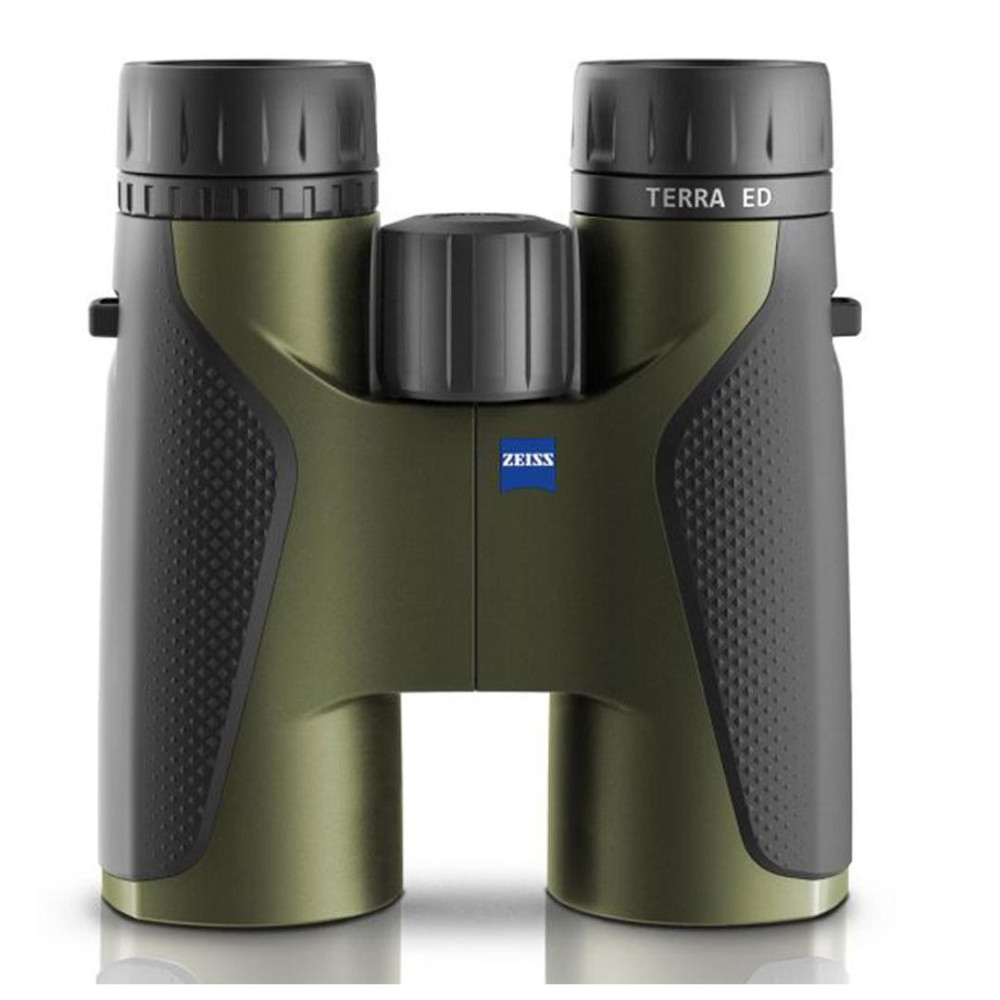
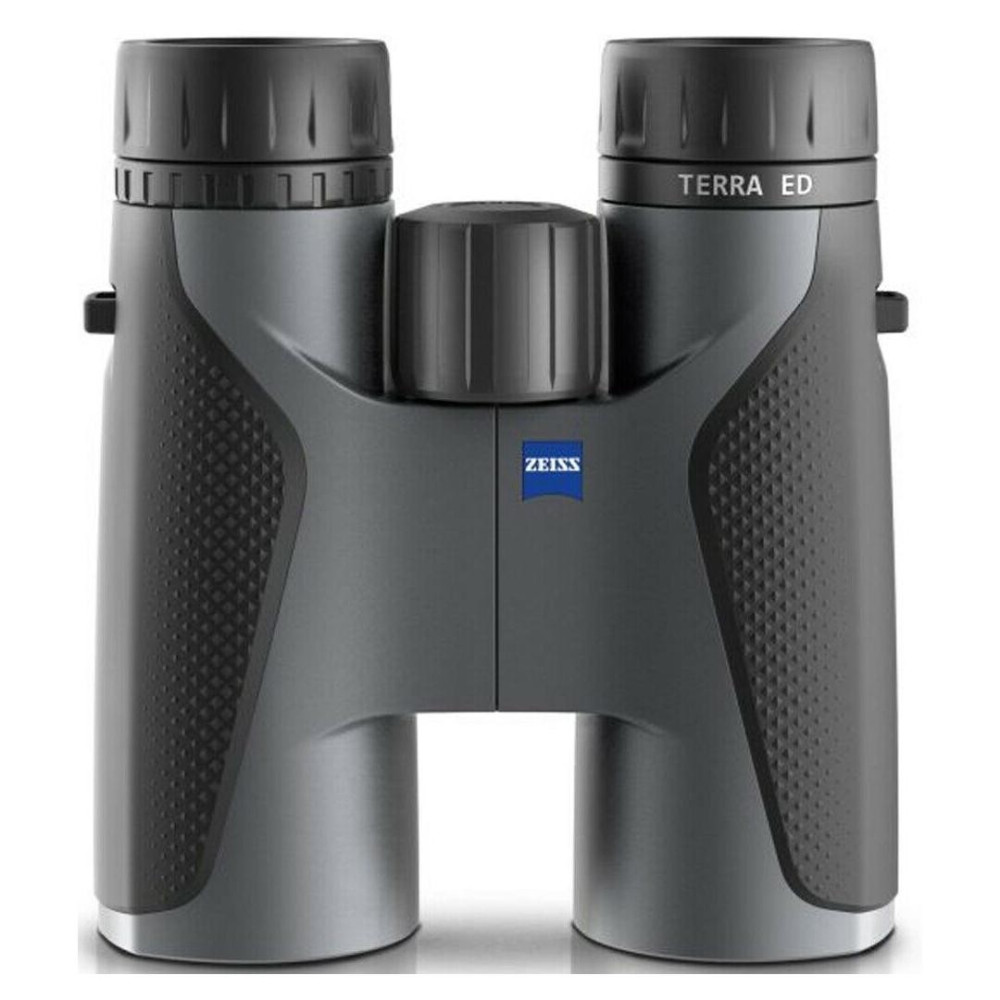
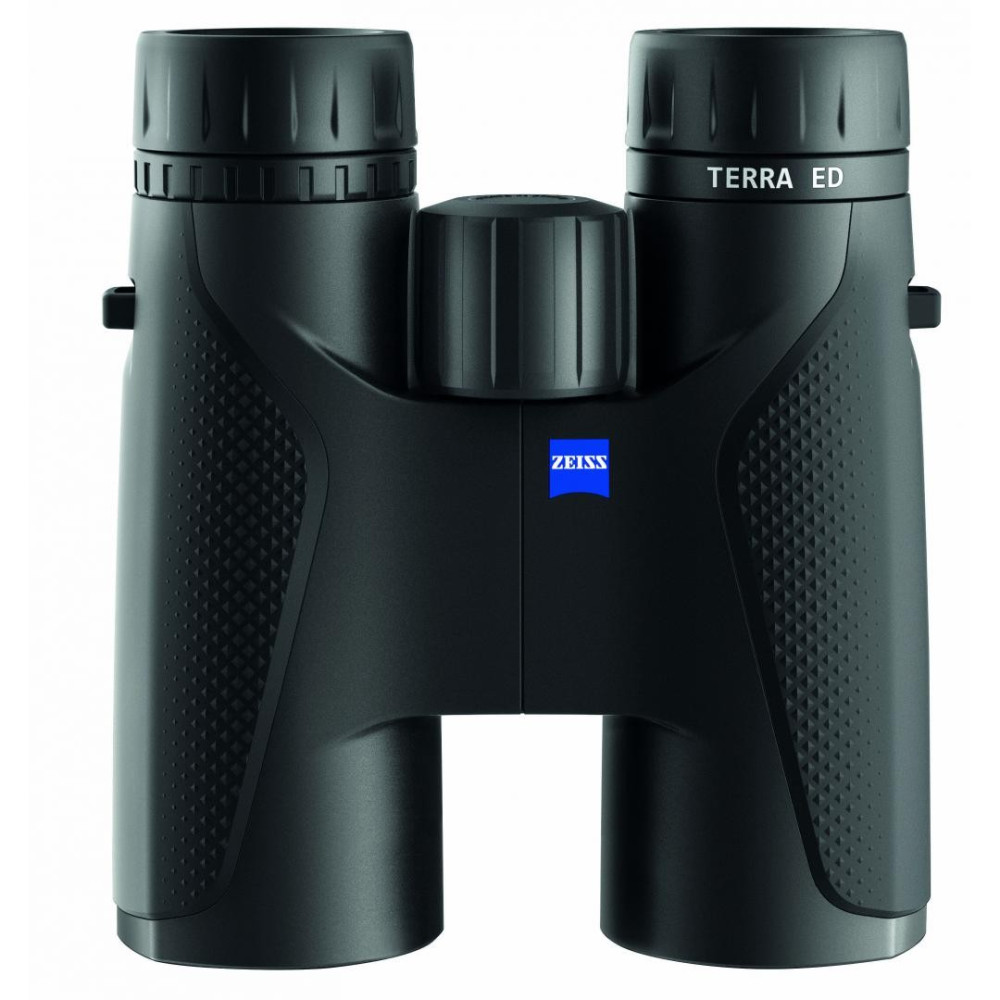
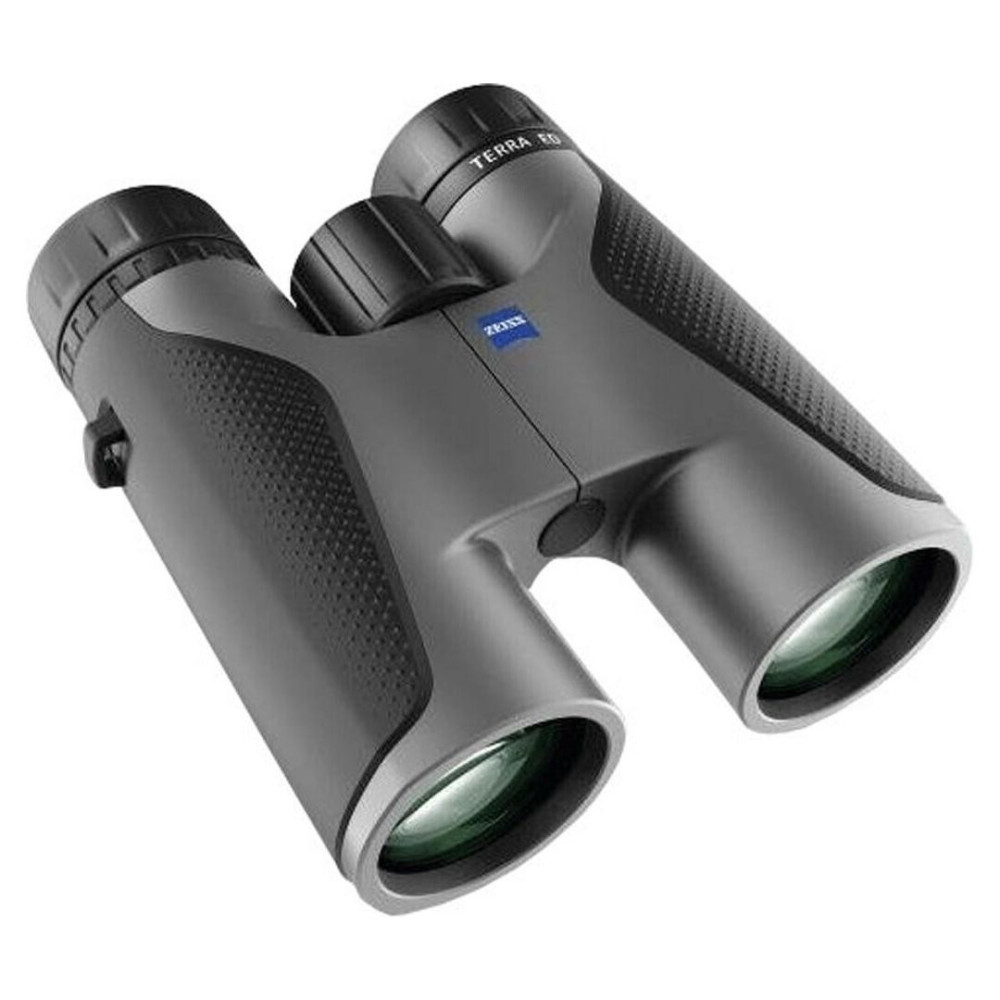
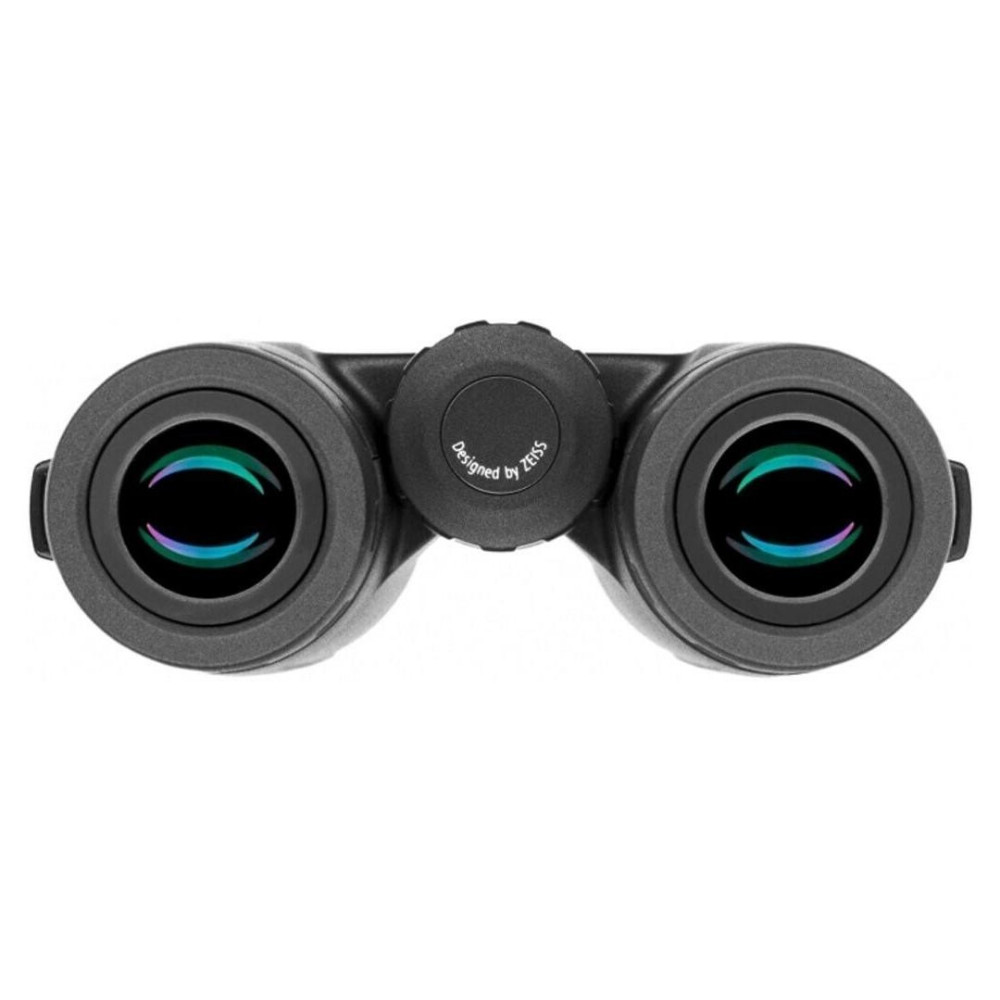
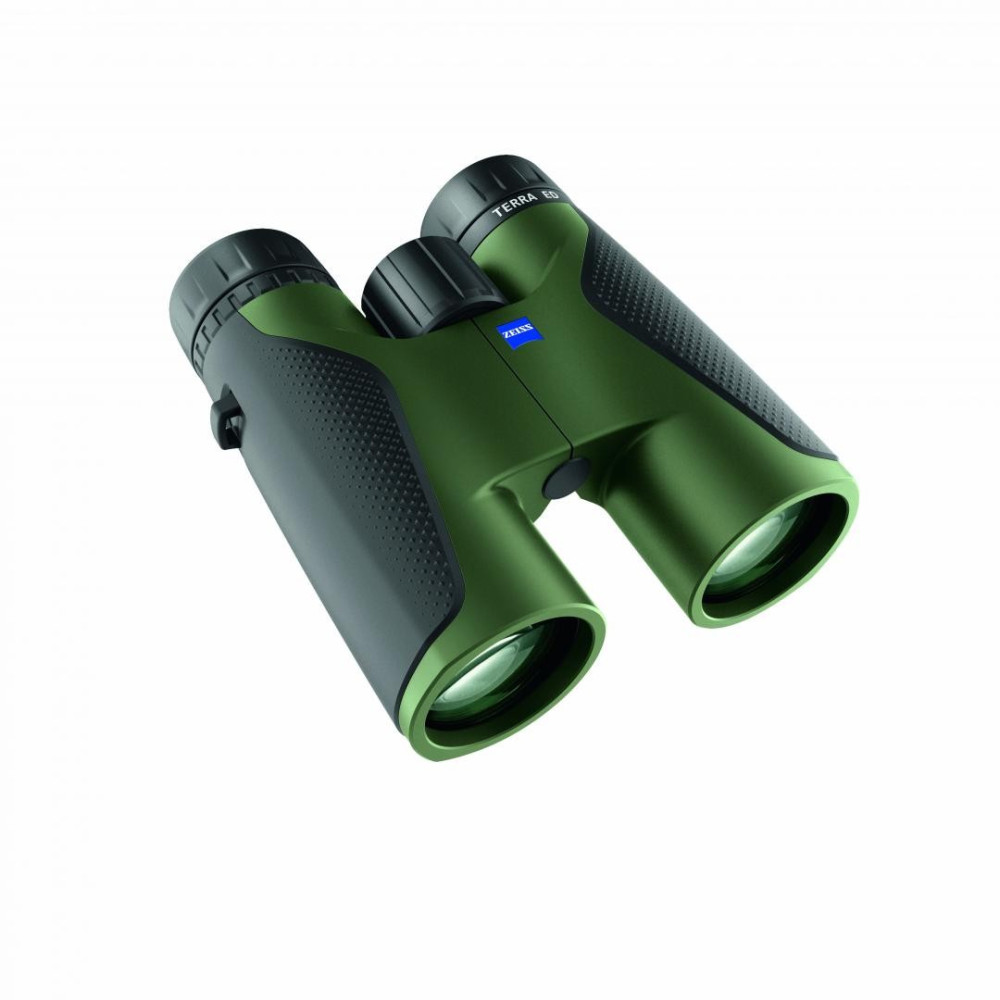


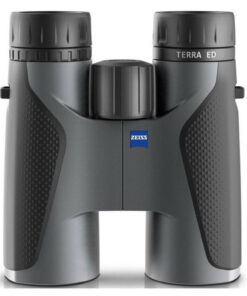
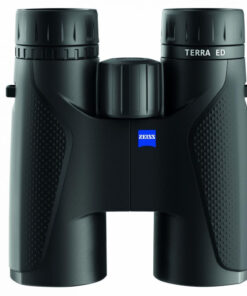
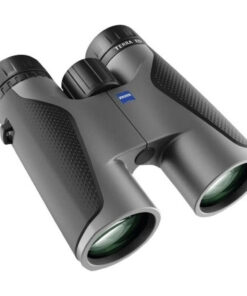
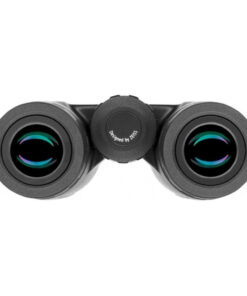
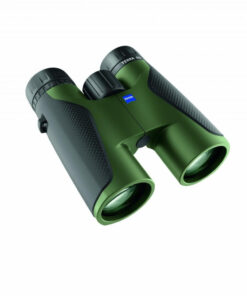
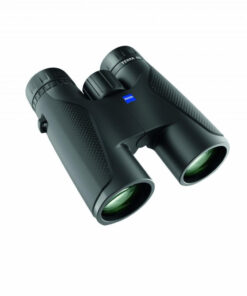
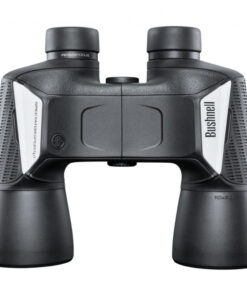

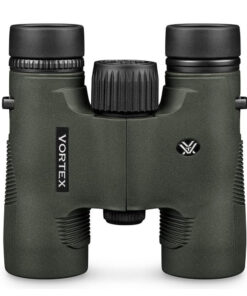
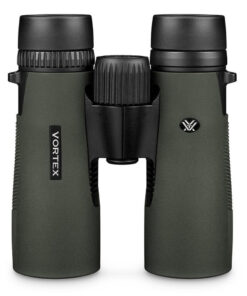
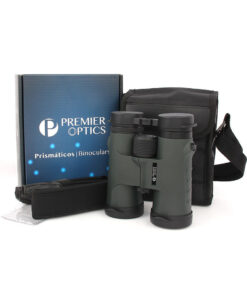
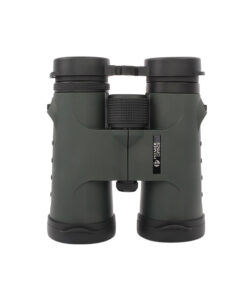



Reviews
There are no reviews yet.